Latest News
Digitalisation could more than double Colombo Port capacity
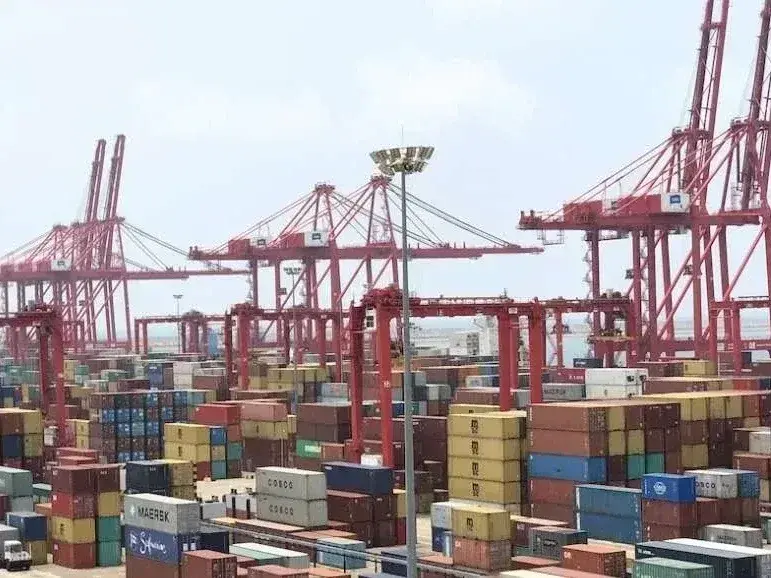
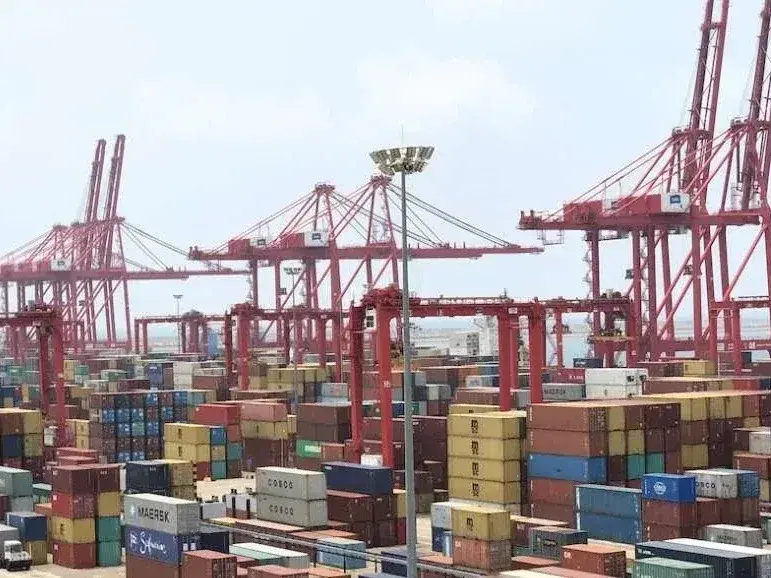
Digitalising cargo and vessel clearance could more than double the effective capacity of the Port of Colombo by sharply reducing container dwell times, Sri Lanka Ports Authority (SLPA) Chairman Dr Parakrama Dissanayake said.
Speaking at a workshop on the Maritime Single Window and Port Community Systems on Tuesday (27), Dissanayake said ports could no longer rely only on additional berths, yard space, machinery and manpower to expand capacity.
He said studies showed that reducing average container dwell time from 11 days to five days could increase terminal capacity by 118%. Cutting it further from five days to 3.3 days could increase yard capacity by another 53%.
The Port of Colombo is expected to handle around nine million twenty-foot equivalent units (TEUs) in 2026 and remain among the world’s top 20 container ports, he said.
However, between 10,000 and 12,000 TEUs are still waiting for berthing opportunities outside the port on an average day, according to Dissanayake.
He said congestion remained a global problem, with about 4.2 million TEUs awaiting berths worldwide at any given time.
Dissanayake said Colombo handled transshipment trade worth approximately US$250 billion and around US$30 billion in Sri Lankan merchandise trade, highlighting the importance of improving efficiency.
Documentation remains another major constraint. Citing International Maritime Organization data, he said an average of 191 minutes was spent on documentation during each port call.
With around 4,100 vessel calls annually, Colombo spends approximately 13,000 hours each year on paper-based documentation, he said.
Dissanayake said introducing a Port Community System and Maritime Single Window could reduce vessel turnaround times, improve transshipment reliability, cut container dwell times and lower operating costs for shipping lines.
He pointed to a West Asian port where similar systems had eliminated 42 million paper document exchanges and 12.7 million physical port visits.
Another port in a developed country had reported annual logistics savings of US$270 million after adopting comparable systems, he said.
Sri Lanka is currently investing around US$17 million in the modernisation of Colombo Port’s systems.
Dissanayake also thanked the United States Government for supporting the initiative.
“Ports of yesterday competed on infrastructure. Ports of today compete on efficiency. Ports of tomorrow will compete on intelligence and connectivity,” he said.
Share this story
RELATED NEWS
View all

Latest News
Government rules out immediate tax cuts despite higher revenue
Oct 28, 2026

Latest News
Sri Lanka to limit players to three franchise leagues a year
Oct 28, 2026

Latest News
Cyclone Arnab makes landfall in India as impact on Sri Lanka begins to ease
Oct 28, 2026

Latest News
Govt. moves to curb child exploitation on social media
Oct 27, 2026