Latest News
No new dengue strain behind outbreak, but serotype 2 dominant again
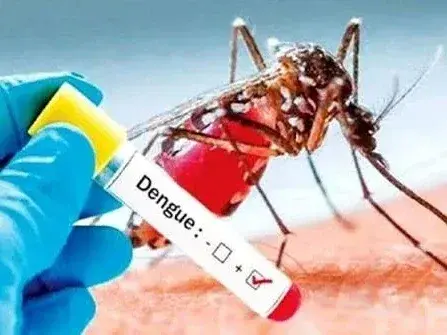
Sri Lanka’s current dengue outbreak is not being driven by a new strain of the virus, but dengue virus serotype 2 has once again become dominant, Professor, Neelika Malavige from Department of Immunology and Molecular Medicine at University of Sri Jayewardenepura said.
Malavige said laboratory analysis of virus samples collected as recently as June showed that the circulating virus remained dengue serotype 2 of the cosmopolitan genotype.
The same genotype was associated with Sri Lanka’s major dengue outbreak in 2017.
She said claims that a completely new strain had emerged were inaccurate. However, viruses continued to evolve over time, and the virus circulating now would not be genetically identical to the one detected a decade ago.
Sri Lanka has four dengue virus serotypes, each with different genetic lineages.
Malavige said dengue serotype 3 had been more common in 2023 and 2024. However, its prevalence began to decline in 2025, while serotype 2 gradually re-emerged as the dominant virus.
Clinicians had noticed signs of the change as early as December and January, she said.
Malavige stressed that the renewed dominance of serotype 2 alone did not explain the scale of the outbreak.
She said unusually high temperatures had accelerated mosquito development, while flooding in Colombo and Gampaha had created additional breeding sites. Increased mosquito density, waste-management problems and reduced public attention following a period of comparatively lower dengue transmission had also contributed.
Sri Lanka usually records two seasonal increases in dengue cases, from May to July during the south-west monsoon and from November to January during the north-east monsoon.
Malavige said the present increase was exceptionally steep and had resulted from several factors occurring at the same time.
She also said virological data alone could not predict a major outbreak. Authorities needed to combine information on circulating viruses with mosquito density, rainfall, temperature and clinical surveillance to assess the risk accurately.
Share this story
RELATED NEWS
View all

Latest News
Chinese national wanted over child abuse, rape and cybercrime allegations remanded in Sri Lanka
Oct 15, 2026

Latest News
IMF ready to support Sri Lanka beyond current programme
Oct 15, 2026
Latest News
Injecting drug use emerging as major HIV risk in Sri Lanka
Oct 15, 2026
Latest News
Disabled student seriously assaulted at Jaffna school hostel
Oct 15, 2026