Latest News
Air Force says UAVs could cut surveillance costs by more than 90 per cent
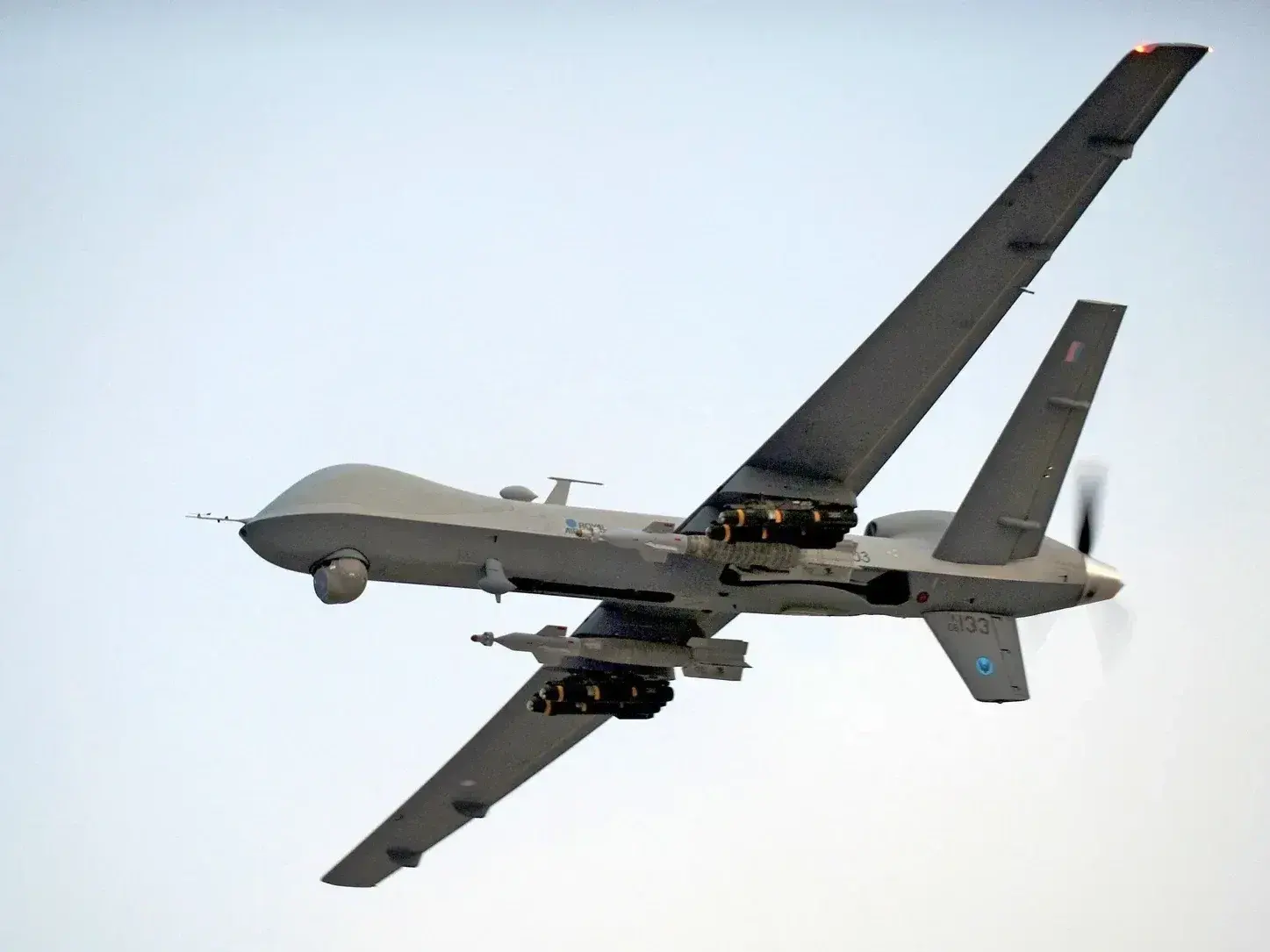
The Sri Lanka Air Force has told the Committee on Public Finance (COPF) that acquiring unmanned aerial vehicles could reduce the hourly cost of surveillance operations by more than 90 per cent compared with using conventional aircraft.
Air Force officials said operating a manned aircraft for surveillance costs about US$6,000 an hour, while the proposed UAVs would cost less than US$500 an hour to operate. They said the drones would also remove the need to deploy pilots on surveillance missions.
The Air Force is seeking to acquire two UAV systems comprising four aircraft to restore a capability it has lacked for about nine years. Officials said the service had operated UAVs since 1996, but one of its two aircraft crashed while the other became unserviceable because of its age and obsolete systems.
According to officials, two of the proposed UAVs would have an endurance of about 14 hours and an operating range of around 150 kilometres, while the other two could remain airborne for about 20 hours and operate at a range of approximately 200 kilometres.
The aircraft would be used for intelligence, surveillance and reconnaissance operations, as well as search and rescue and humanitarian assistance and disaster relief.
Air Force officials said UAVs could be deployed during disasters to assess the extent of damage and help determine where personnel and resources should be sent.
They could also be used for maritime surveillance, including monitoring boats, human trafficking and other activity in Sri Lankan waters. Officials told the committee that the Air Force currently carries out night surveillance using manned aircraft and shares the intelligence collected with relevant national agencies.
The proposed aircraft would have vertical take-off and landing capability, allowing them to operate without a conventional runway.
The Air Force told COPF that the proposed acquisition followed an unsolicited offer from Israel Aircraft Industries. Officials said the service had been trying to restore its UAV capability since 2017 but had previously been constrained by funding.
The committee also questioned officials about the procurement procedure, noting that direct procurement from a single supplier is permitted only under exceptional circumstances under government procurement guidelines.
Air Force officials said the proposed UAV capability was a long-standing operational requirement and would significantly reduce the cost of conducting prolonged surveillance missions.
Share this story
RELATED NEWS
View all

Latest News
Central Bank raises policy rate to 9% as inflation climbs to 8.3%
Nov 20, 2026

Latest News
Four of same family believed to have died from smoke inhalation in Kaduwela fire
Nov 20, 2026

Latest News
India seizes 71 kg heroin bound for Lanka
Nov 19, 2026

Latest News
Dried chilli prices soar amid supply constraints
Nov 19, 2026