Latest News
Government plans tax relief in upcoming Budget, President says
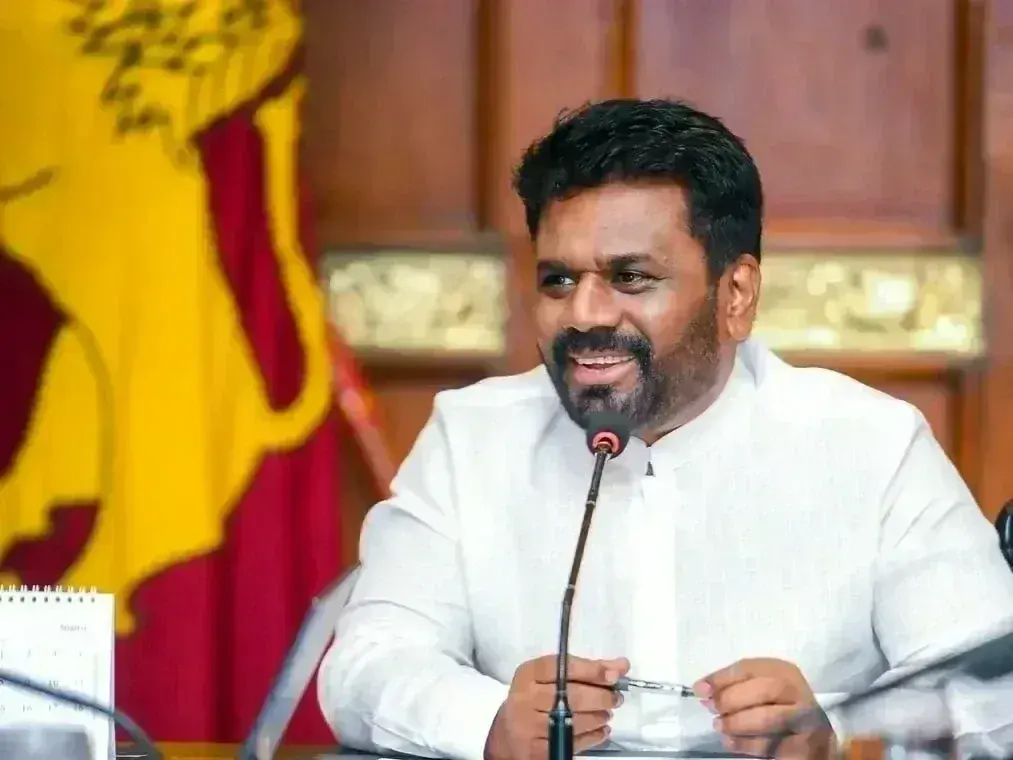
President Anura Kumara Dissanayake on Sunday said the government hopes to ease some of the tax burden on the public through the upcoming Budget.
Addressing a rally in Akuressa, he said the government’s focus must remain on the economy, people’s livelihoods, food security and the creation of economic opportunities.
“We know some taxes are a burden, and we expect to remove a certain portion of them in the coming Budget,” he said.
Turning to fuel prices, the President said the war in the Middle East had pushed global oil prices back to levels seen in April, placing significant pressure on Sri Lanka.
He said the government had absorbed Rs. 100 on every litre of diesel between April and July, at a cost of Rs. 60 billion. Fuel prices would have to rise in October in line with global market prices, but the government intended to provide subsidies to reduce the impact on consumers.
“When a disaster strikes, the entire burden cannot be placed on the people. The government must help,” he said.
Dissanayake said fishermen had also received an additional subsidy of Rs. 50 per litre of fuel, while the government had covered part of the electricity bills of consumers using fewer than 180 units, shielding them from the May tariff increase at a cost of Rs. 15 billion.
On public spending, he said the Treasury had been strengthened and Rs. 2,000 billion would be allocated for capital expenditure next year, the highest amount in Sri Lanka’s history. The funds would be used for roads, bridges and other infrastructure.
He said the benefits of wider economic improvements must also reach rural communities, including through welfare programmes targeted at those most in need.
The Mahapola allowance for university students and the allowance for kidney patients have been doubled to Rs. 10,000 each.
From January, Rs. 5,000 will also be deposited into accounts for children in child development centres who have no parents or guardians. The support will continue until they turn 21, while a Rs. 2 million grant will be provided to help them build a house after leaving institutional care.
The government will also provide Rs. 5 million each to rebuild 25,000 homes destroyed by Cyclone Ditwah or located in areas considered unsuitable for resettlement.
“Some people say welfare is not needed, but there is a section of society we must look after. That is a government’s responsibility,” Dissanayake said.
Beyond welfare, the President said the government was seeking to expand economic opportunities through measures including a Rs. 90 billion interest-free loan scheme. A similar amount would be allocated next year.
He said banks charged about 3 per cent to cover operating costs, while the government paid the full interest component.
Dissanayake also said a committee headed by the Prime Minister had assessed staffing requirements across state institutions after several years without recruitment and identified 121,000 public-sector posts to be filled this year.
These included 10,000 police officers and 23,000 teachers, although recruitment for all identified vacancies had not yet begun.
The government also intended to increase police allowances through the Budget, he said, noting that officers often worked between 18 and 20 hours a day under difficult conditions.
“It is not only the allowance. We are also preparing a smart uniform that includes a body camera, baton, torch and other necessary equipment by next June,” he said.
On health services, Dissanayake said the government was developing a new system known as “Aarogya” to bring healthcare closer to communities, potentially including home visits by nurses.
He said he had also instructed the Health Ministry to identify the world’s most advanced medical equipment and treatment methods, with funding to be allocated next year.
Education reforms would continue with Grade 6 next year, he said.
“We want an education system that is not a burden to parents or a torment to children,” Dissanayake said.
In the transport sector, the government was working to improve bus services and planned to begin railway electrification next year. He said the five-year project would cost Rs. 600 billion, with Rs. 80 billion allocated for next year.
Concluding his address, Dissanayake said the government would work to create a more hopeful future for the country.
“We have built a government that people can still confidently say they voted for, even two years after it was established,” he said.
RELATED NEWS
View all

Latest News
More than 10 hospitalised after multi-vehicle crash on Southern Expressway
Sep 21, 2026
Latest News
Sri Lanka Navy places 171 disaster relief teams on standby amid heavy rains
Sep 21, 2026

Latest News
CAA detects 104 violations in polythene raids
Sep 20, 2026
Latest News
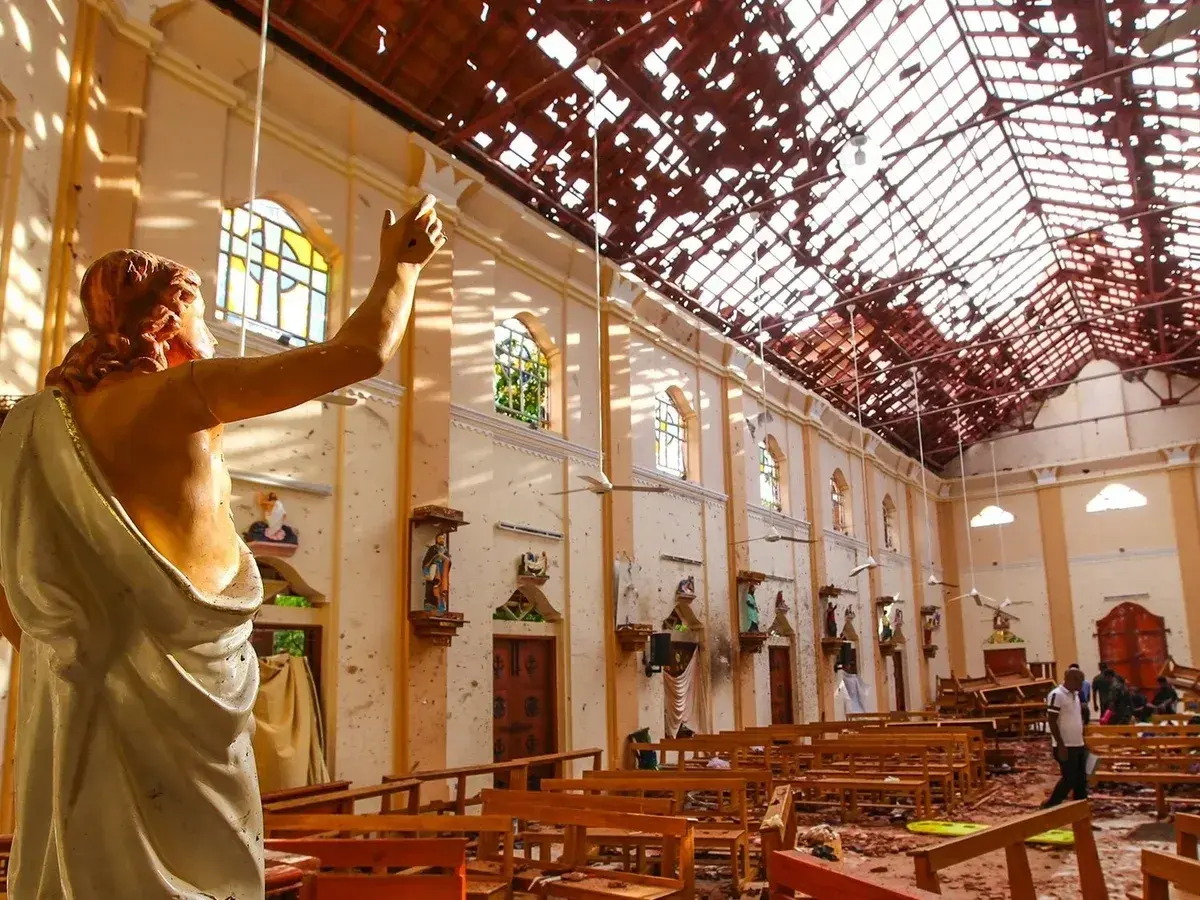
CID moves against 10 MPs over Easter attack claims
Sep 20, 2026