Latest News
Lanka rubber industry turns 150 amid calls for urgent revival
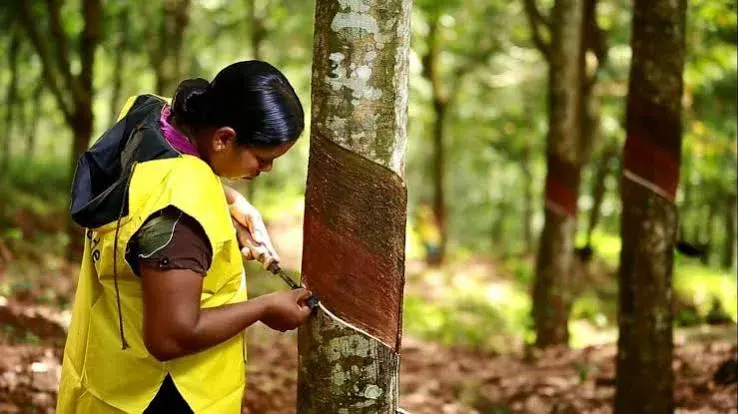
Sri Lanka’s rubber industry turns 150 this year amid warnings that its future could be threatened unless the Government addresses longstanding structural bottlenecks and creates conditions for greater investment and productivity.
The Colombo Rubber Traders’ Association (CRTA), marking the anniversary, said the milestone should be used to renew efforts to revitalise the industry and secure its long-term commercial sustainability.
The arrival of Hevea brasiliensis seedlings at the Henarathgoda Botanical Gardens in Gampaha in 1876 marked the beginning of Sri Lanka’s natural rubber industry, which later established the country as one of Asia’s early rubber producers.
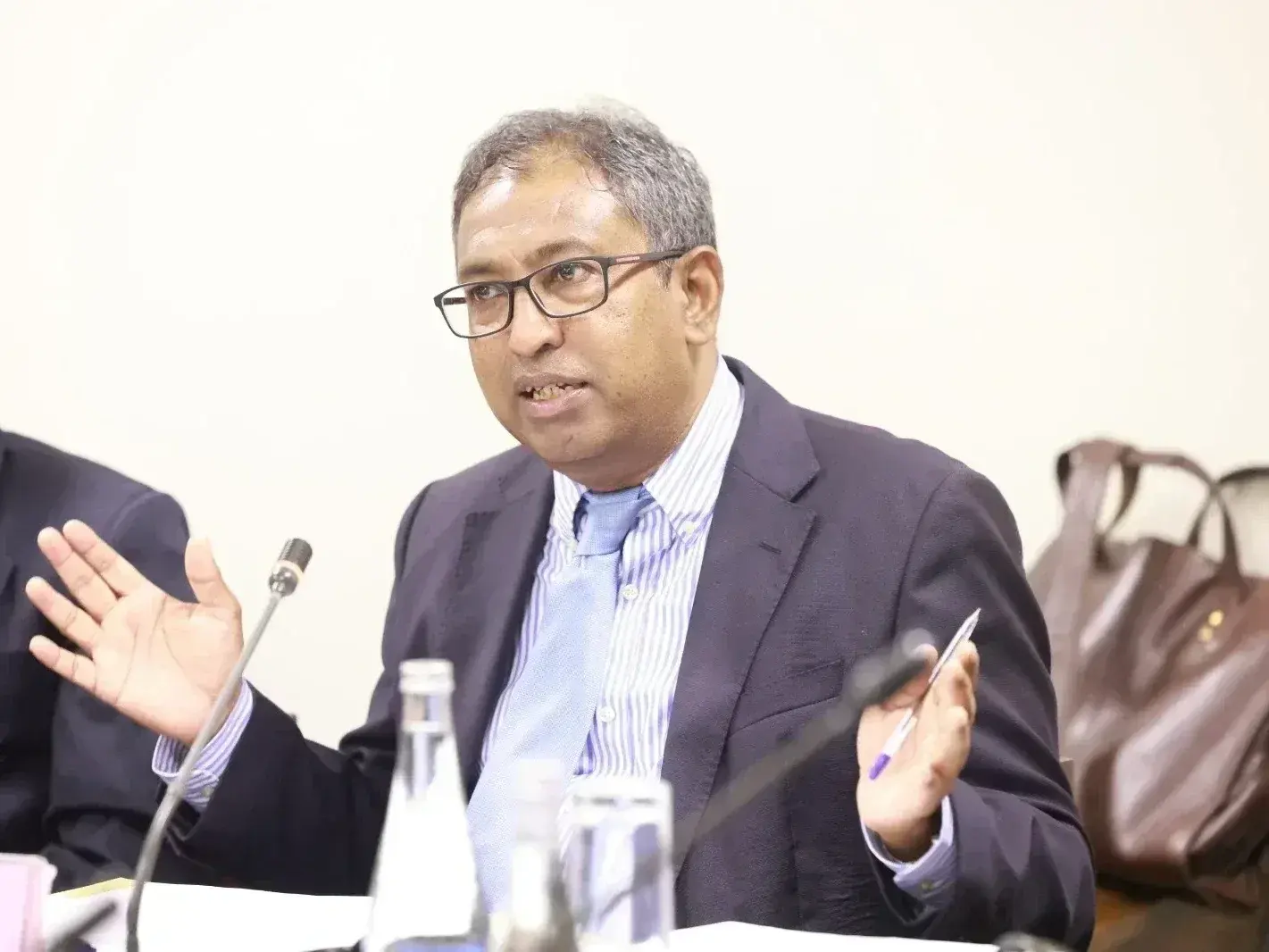
“Celebrating 150 years of Sri Lanka’s natural rubber industry is an occasion of immense pride for our nation,” CRTA Chairman Harin de Silva said.
He said the industry had been built through the efforts of generations of rubber tappers, smallholders, plantation companies, researchers, processors, brokers, traders and exporters.
The establishment of the Rubber Research Institute of Sri Lanka in 1909, recognised as the world’s oldest rubber research institute, further strengthened the sector through advances in cultivation, processing and product development.
Sri Lanka also developed expertise in premium natural rubber grades, particularly latex crepe, while the 1952 Rubber-Rice Pact with China became a landmark in the country’s economic and diplomatic history.
However, the CRTA said the industry now faced several challenges, including stagnant productivity, ageing rubber trees, rising production costs, labour shortages, inadequate replanting and insufficient rain-guarding systems.
Smallholders, who form a significant part of the production base, also require greater support to ensure rubber cultivation remains economically viable, it said.
The association also called for greater certainty for Regional Plantation Companies (RPCs), whose existing land lease agreements are due to expire in 2045.
It said extending the leases would encourage RPCs to invest in replanting, modernise infrastructure, improve productivity and adopt sustainable plantation practices.
The CRTA also urged the Government to explore suitable non-traditional, drier areas for rubber cultivation, arguing that this could diversify production, make better use of underutilised land and improve the industry’s resilience to climate change.
Meanwhile, growing international regulatory requirements, including the European Union Deforestation Regulation (EUDR), are placing greater emphasis on traceability and the sustainability of rubber supply chains.
The CRTA said addressing these challenges required coordinated action by the Government, research institutions, plantation companies, smallholders, processors, brokers, traders, exporters and manufacturers.
It identified five priorities for revitalising the sector: improving productivity and replanting; strengthening the viability of smallholders and plantations; enhancing research, innovation and value addition; improving supply-chain transparency and regulatory readiness; and strengthening Sri Lanka’s competitiveness in international markets.
Sri Lanka’s established rubber-based manufacturing sector, including solid tyres, surgical gloves, latex bedding and other specialised products, provides opportunities to generate greater value from locally produced rubber, the CRTA said.
“A competitive industry will depend not only on producing more rubber, but also on producing it efficiently, maintaining consistent quality, meeting international standards and delivering products that create sustainable value for all participants in the supply chain,” de Silva said.
Share this story
RELATED NEWS
View all