Latest News
Sri Lanka to become South Asia’s first ‘aged’ society by 2030: World Bank
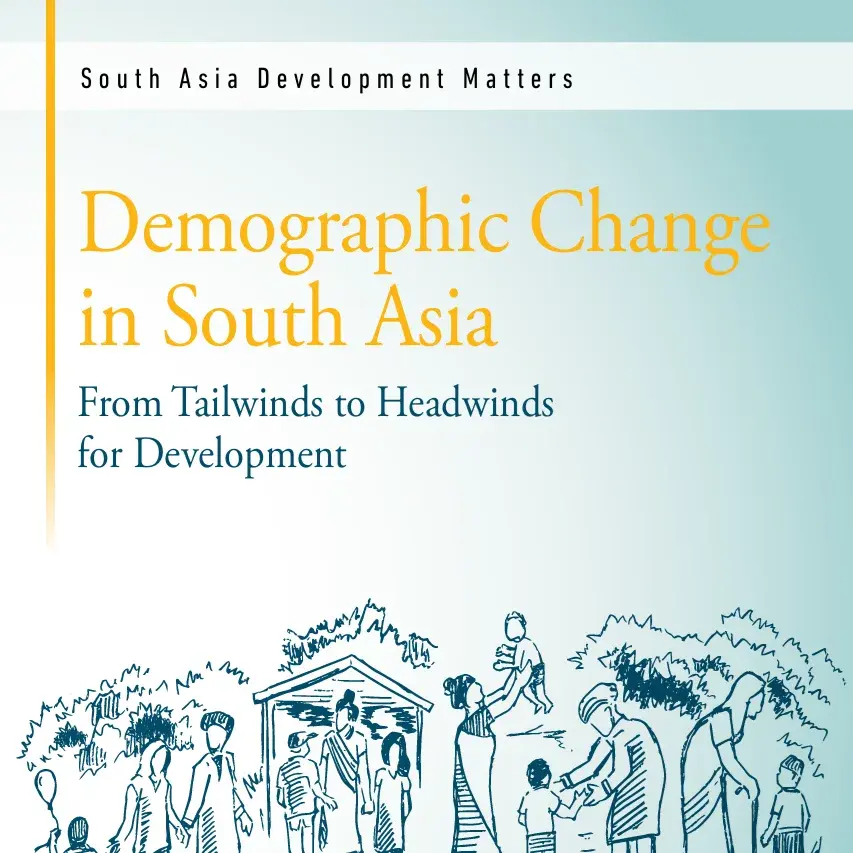
Sri Lanka is set to become the first country in South Asia to cross the demographic threshold into an “aged” society as the region’s once favourable demographic trends begin to turn into a drag on economic growth, according to a World Bank report released on Tuesday.
The report, Demographic Change in South Asia: From Tailwinds to Headwinds for Development, says Sri Lanka’s share of working-age people peaked as early as 2005 and the country is expected to reach “aged” status by 2030.
The transition is already under way in some parts of India, with Kerala having crossed the threshold, while Bhutan, India and the Maldives have less than a decade before their working-age populations peak.
South Asia, home to 1.66 billion people or about 24% of the world’s population, currently has 1.17 billion people of working age, accounting for about 22% of the global working-age population.
The region benefited significantly from its expanding working-age population over the past several decades. The increase in the number of adults in their prime working years, coupled with fewer dependants, created what economists call a demographic dividend.
Since 2000, demographic trends are estimated to have added about 0.4 percentage points a year to South Asia’s GDP growth, with the contribution estimated at 0.5 percentage points for India.
The rising share of working-age people may also have increased annual labour productivity growth in the region by between 0.4 and 1.1 percentage points during the same period, the World Bank said.
That demographic advantage, however, is now rapidly weakening.
Working-age population growth, which averaged 2.2% a year between 1960 and 2023, is projected to slow to just 0.6% annually between 2024 and 2050.
As a result, the contribution of demographic trends to economic growth is expected to fall by about three-quarters to around 0.1 percentage point a year over the same period.
The report projects that South Asia’s working-age population share will peak by 2034, with the region as a whole entering “aged” status by 2049.
The pace of ageing, however, varies considerably among countries. Bangladesh and Nepal have about two decades before their working-age shares peak, while Sri Lanka has already passed that point.
The report also warns that South Asia faces the demographic transition with a relatively weak employment structure.
Only about 60% of the region’s working-age population is employed, compared with 69% in other emerging market and developing economies.
More significantly, only 34% of South Asia’s employed population works in the more productive non-agricultural sectors, compared with 51% in other emerging market and developing economies.
Informal employment also remains widespread, accounting for 88% of employment in the region — the highest share among emerging market and developing economy regions and comparable with Sub-Saharan Africa.
The report said informal workers earned between 45% and 84% less than formal-sector workers in Bangladesh, India, Nepal and Sri Lanka, representing a significant loss of income and productivity.
The findings underscore the challenge facing South Asian economies as they move from benefiting from a growing working-age population to dealing with a rapidly ageing population before having fully developed productive and formal employment opportunities.
Share this story
RELATED NEWS
View all

Latest News
Yunnan business delegation explores trade, investment opportunities in Sri Lanka
Nov 04, 2026

Latest News
Lanka, India share not only a sea but also security: High Commissioner
Nov 04, 2026

Latest News
Lanka, India Coast Guards strengthen maritime cooperation
Nov 03, 2026

Latest News
Lanka, Azerbaijan to boost public sector innovation
Nov 03, 2026