Latest News
Sri Lanka to seek fresh EU GSP+ concession, targets further decade of benefits
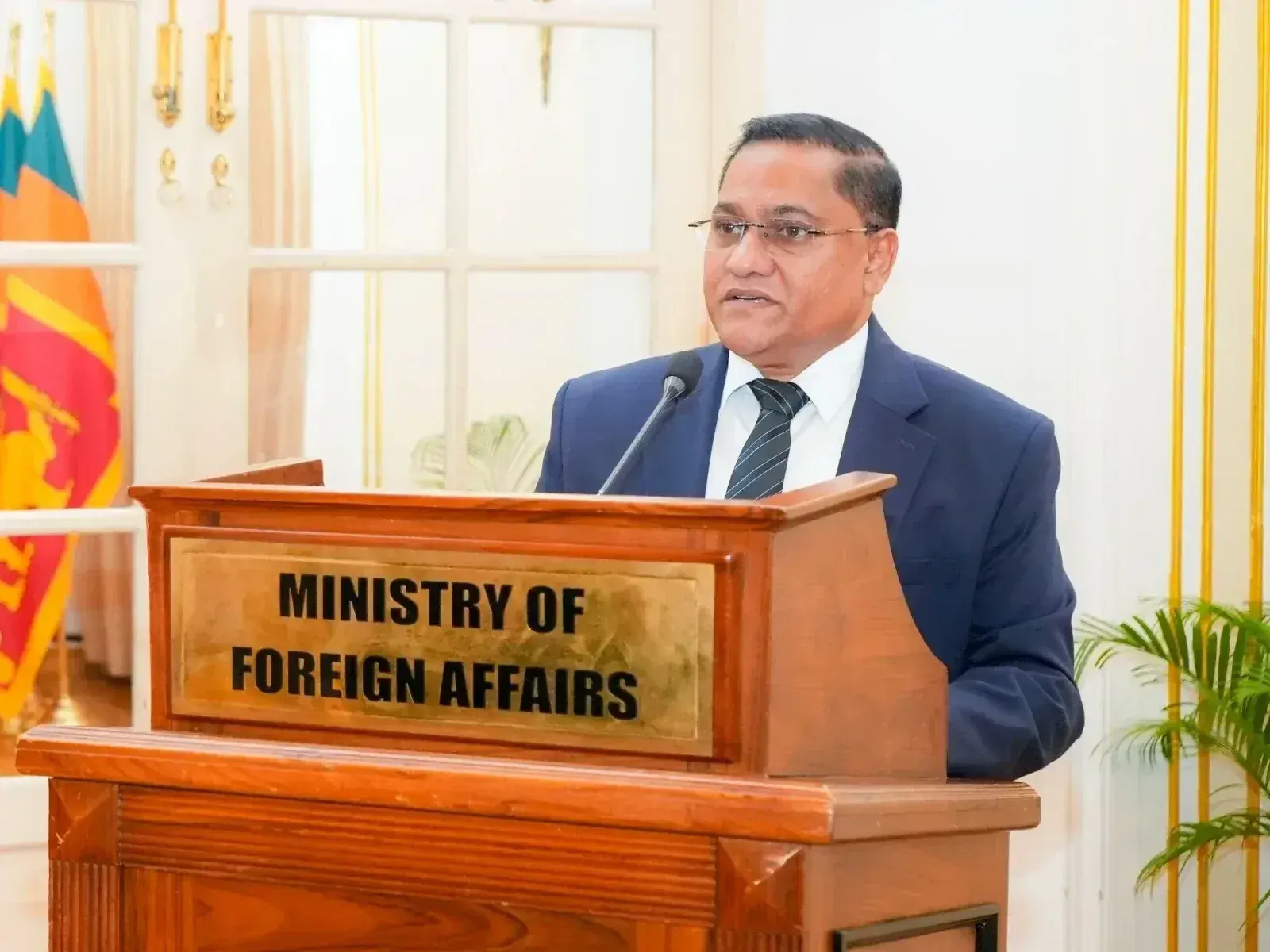
Sri Lanka plans to submit a fresh application for the European Union’s GSP+ trade concession early next year as it seeks to retain preferential access to the European market under the bloc’s new decade-long scheme, Foreign Minister Vijitha Herath said.
Herath said the Government had already begun preparations for the application and had obtained Cabinet approval to establish ministerial and technical committees to oversee the process.
“We intend to apply again. By early next year, we will submit a fresh application,” Herath said.
The Government would make every effort to retain GSP+ benefits under the EU’s new framework, which will operate for 10 years from January 2027, he said.
The European Union approved its new Generalised Scheme of Preferences earlier this year. The new rules will apply from 1 January 2027 until 31 December 2036 and retain the GSP+ arrangement, which provides additional tariff preferences to vulnerable developing countries that meet requirements relating to human and labour rights, environmental protection, climate and good governance.
Sri Lanka is among the current GSP+ beneficiaries.
Under transitional arrangements, countries benefiting from GSP+ at the end of 2026 will continue to receive the preferences until 31 December 2028. Those seeking to remain under GSP+ from 2029 must submit a fresh application under the new criteria.
Countries that submit their applications in time will continue to receive GSP+ preferences while the European Commission assesses their applications.
Herath said he and the minister responsible for trade would jointly head a ministerial committee overseeing Sri Lanka’s application.
A technical committee led by the secretaries of the two ministries would also be established to coordinate work required to meet the new conditions.
The new GSP+ framework requires beneficiary countries to ratify and effectively implement 32 international conventions, compared with 27 under the existing arrangement. The conventions cover areas including human and labour rights, environmental and climate protection and good governance.
Herath said Sri Lanka was preparing to address the expanded requirements and provide the EU with information on measures taken to comply with its obligations.
Current GSP+ beneficiaries will also be required to submit a plan of action setting out how they will implement their commitments under the new framework.
GSP+ is particularly important to Sri Lankan exporters because it provides reduced or zero tariffs for eligible products entering the EU market.
Sri Lanka regained GSP+ benefits in 2017 after losing the concession in 2010 over concerns relating to the implementation of international human rights conventions.
The EU’s revised scheme retains the existing structure of standard GSP, GSP+ and the Everything But Arms arrangement for least-developed countries, but strengthens links between preferential market access and compliance with international standards.
The European Commission has said the revised system will provide reduced or zero tariffs to imports from 65 developing countries over the next decade while strengthening monitoring of human rights, labour rights, climate, environmental protection and good governance.
Herath said the Government’s objective was to complete the necessary preparations and secure continued access to GSP+ under the new framework.
RELATED NEWS
View all
Latest News
Sri Lanka to attend WHO South-East Asia regional meeting in Timor-Leste
Sep 06, 2026

Latest News
Rumesh Tharanga wins Diamond League javelin title in Brussels
Sep 06, 2026
Latest News
Sri Lanka clears hurdles to China-backed expressway, targets 2028 completion
Sep 06, 2026

Latest News
US maritime officials to visit Sri Lanka
Sep 05, 2026