Latest News
Cyber-attack could wipe out reserves within minutes

Sri Lanka’s entire foreign reserve position could potentially be wiped out within minutes if hackers gained access to the country’s financial systems and transferred billions of dollars, Parliament was told on Monday (16).
NDF MP Ravi Karunanayake raised the alarm while questioning the Government on Sri Lanka’s preparedness to face cyber threats, citing vulnerabilities in the financial sector, state funds and critical infrastructure.
He referred to a recent incident in which $6.3 billion was reportedly transferred from cryptocurrency exchange Binance within 20 minutes, warning that a similar attack on Sri Lanka could have catastrophic consequences.
Karunanayake also cited the diversion of about $2.55 million from a state statutory enforcement agency in December 2025, allegedly facilitated by an email system that had not been updated since 2019. He also referred to ongoing legal proceedings over the disappearance of Rs. 290 million linked to cryptocurrency transactions.
Deputy Minister of Digital Economy Eranga Weeraratne said the Government expected to enact a comprehensive Cyber Security Act in early 2027, establishing a Cyber Security Authority with powers to enforce security audits, incident reporting and corrective measures.
He said Sri Lanka CERT had assessed 131 Government and critical infrastructure systems but lacked legal authority to compel institutions to implement its recommendations.
A revised Cyber Security Bill was submitted to the Attorney General’s Department in October following recommendations by a presidential committee headed by a retired Court of Appeal judge, he said.
Official figures showed reported cyber incidents rising sharply from 621 in 2022 and 408 in 2023 to 4,347 in 2024. There were 3,284 incidents in 2025 and 2,035 had been recorded so far this year.
Weeraratne said the financial impact of cybercrime remained difficult to establish as institutions were not legally required to report all incidents.
The National Cyber Security Operation Centre (NCSOC), established under CERT this year, monitors the external attack surfaces of 150 Government institutions. It issued 2,109 security alerts to 112 institutions between January and October and notified 156 institutions of vulnerabilities in PHP-based web systems.
Thirty-seven critical information infrastructure institutions have been ordered to connect to NCSOC by December 31, with 17 high-priority institutions already integrated.
Weeraratne said NCSOC coverage was expected to expand to 150 critical institutions by 2029 with Asian Development Bank assistance.
On cryptocurrency risks, he said Cabinet had given conceptual approval for a regulatory framework for virtual assets, which would initially be classified as an asset class rather than a payment instrument.
He stressed that the Central Bank and Ministry of Finance retained authority over interbank settlements, LankaClear and the freezing of financial assets.
Weeraratne also declined to publish a national cyber-risk map, saying disclosure of vulnerabilities in critical infrastructure could aid attackers. Parliamentary oversight would instead be maintained through annual reports, budget scrutiny and closed-door briefings.
Share this story
RELATED NEWS
View all

Latest News
Butterfly migration largest observed since 2014
Nov 17, 2026

Latest News
Bail for temple priest, assistant arrested over alleged archaeological damage
Nov 17, 2026

Latest News
Harsha says 2027 Budget fails to ease pressure on middle-income families
Nov 17, 2026
Latest News
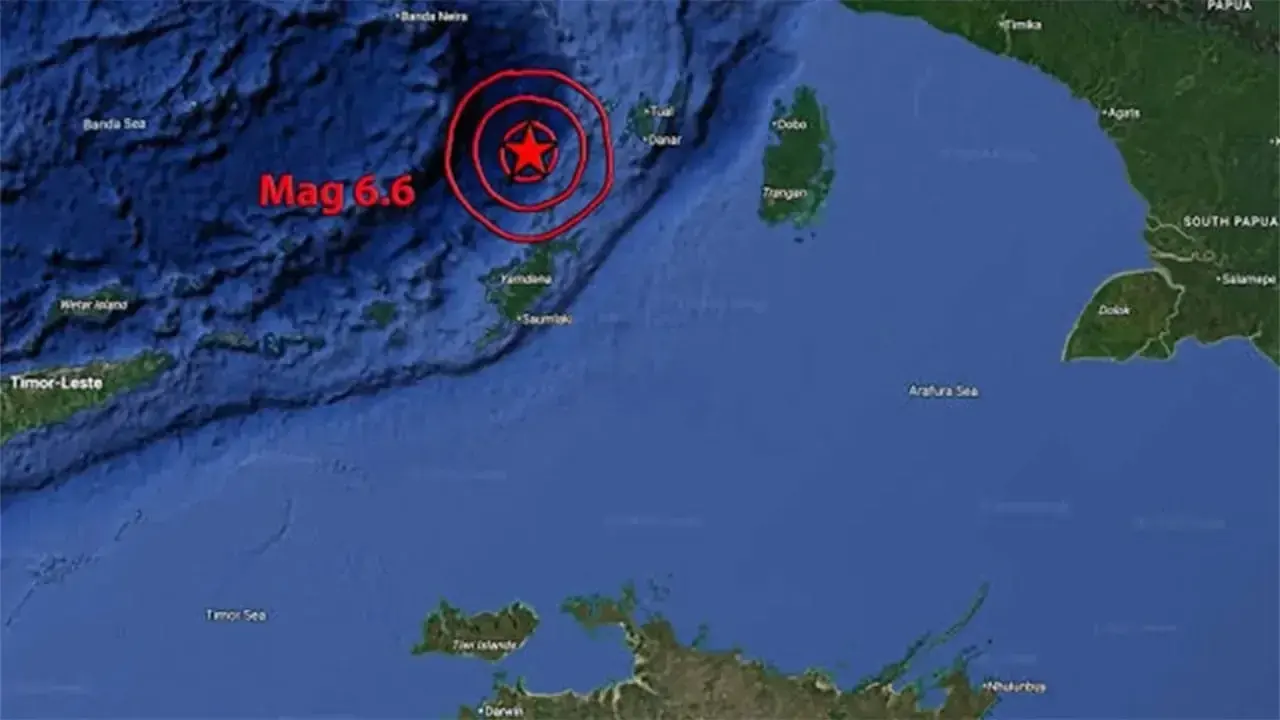
No tsunami threat to Lanka after Banda Sea quake
Nov 17, 2026