Latest News
Sri Lanka lacks national system to manage discarded EV batteries, audit finds
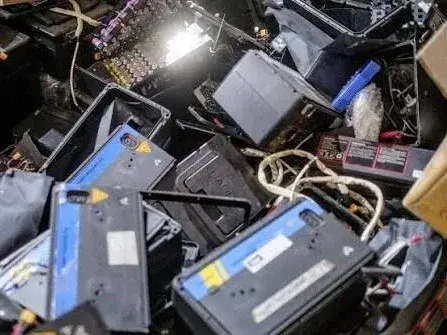
Sri Lanka has yet to establish an adequate national system for the collection, storage, recycling and disposal of used electric vehicle batteries, the National Audit Office has found.
The findings are contained in a special audit report examining the use of electric vehicles in Sri Lanka, end-of-life battery management and the environmental impact of the sector.
The audit found that measures envisaged under the National Waste Management Policy introduced in 2020 had not been effectively implemented for discarded EV batteries.
It said there was no integrated institutional mechanism for collecting batteries, recycling them, tracking their movement or ensuring environmentally sound disposal. Coordination among State agencies involved in battery management was also limited.
Field inspections carried out during the audit found that some used batteries were being stored in open areas or packed in large bags, practices which could pose risks to workers and the environment.
The audit said Sri Lanka’s end-of-life EV battery management industry remained at an early stage, with no formal national take-back scheme or comprehensive tracking system in place.
The absence of standardised procedures for storage and transportation meant the sector was largely operating through temporary commercial arrangements, the report said.
However, Sri Lanka has not yet reached the stage where large volumes of EV batteries are being discarded.
The National Environmental Amendment Act No. 15 of 2026 has introduced provisions to regulate the responsibilities of battery producers and importers.
The Audit Office said additional regulations, operating procedures and monitoring mechanisms should now be introduced quickly to give practical effect to those provisions.
It warned that unless the current gaps were addressed, environmental risks could increase as greater numbers of lithium-ion batteries reach the end of their useful lives in the coming years.
Share this story
RELATED NEWS
View all

Latest News
Public sector mothers of twins, triplets to receive extended paid maternity leave
Oct 25, 2026
Latest News
Sri Lanka says aid to Iranian naval personnel followed international maritime law
Oct 25, 2026
Latest News
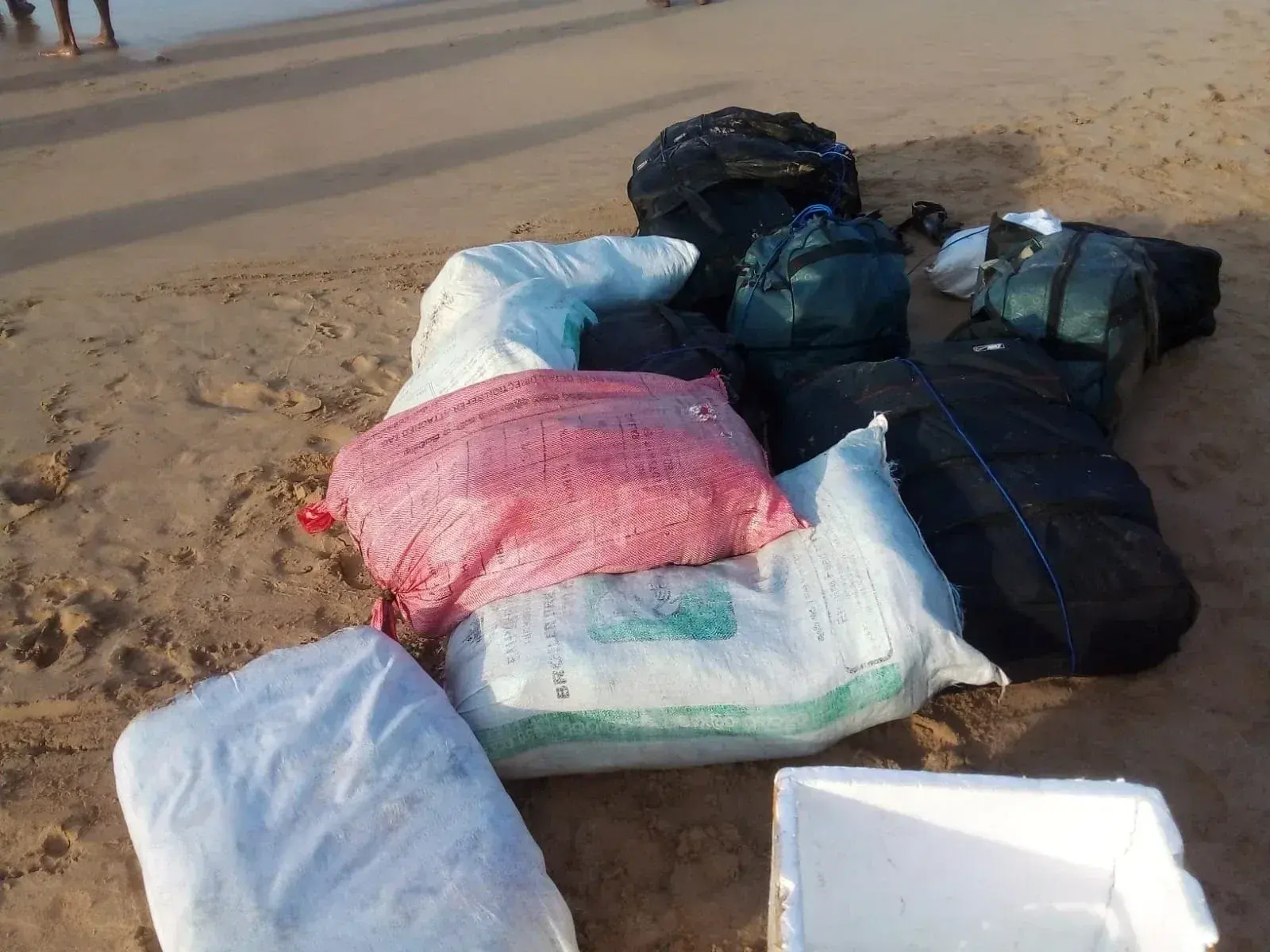
Over 561 kg of heroin, methamphetamine seized in Matara
Oct 25, 2026
Latest News
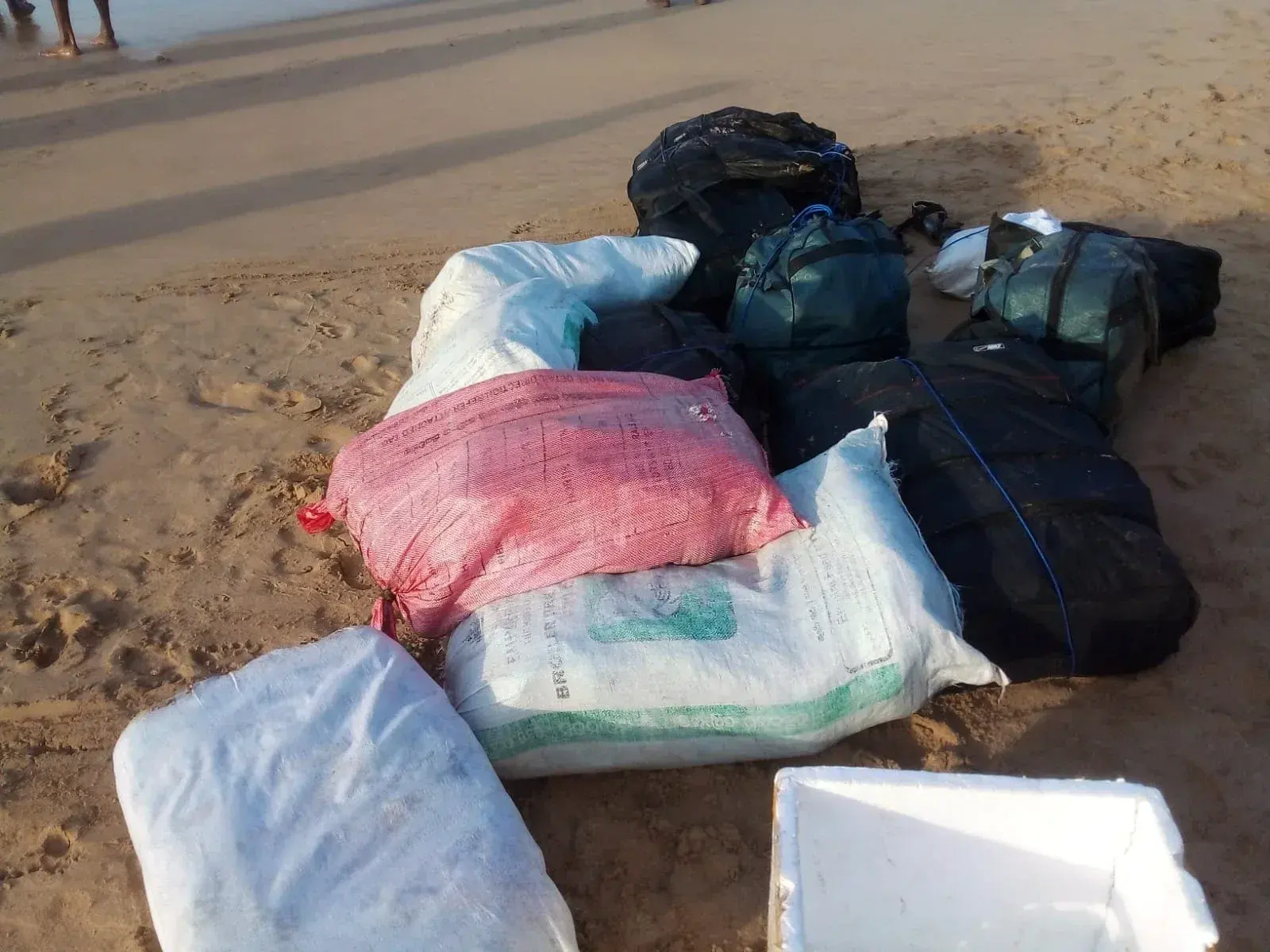
Navy and Coast Guard seize over 475 kg of drugs on southern coast
Oct 24, 2026