Latest News
Store current rainfall to protect next Yala season, Marambe urges

Sri Lanka must collect and conserve the current rainfall to ensure farmers have sufficient water to begin the next Yala season, Senior Professor Buddhi Marambe said, warning that very dry conditions could follow early next year.
Marambe, of the Department of Crop Science at the University of Peradeniya’s Faculty of Agriculture, said water management decisions during the current Maha season must also account for the needs of the following cultivation season.
He warned that conditions could become particularly dry from late January through February, March and April, making it difficult for farmers to begin Yala cultivation.
“I would not use the word ‘drought’ at this stage, but we could experience very dry conditions,” he said.
Rainwater received during October and November should therefore be stored and its use planned carefully. Unnecessary consumption during Maha could reduce the reserves available in irrigation tanks when farmers needed to prepare for Yala, he said.
“Agriculture does not end with one cultivation season,” Marambe said.
He stressed that planning for the next season must go alongside measures to protect the current crop. Agriculture was a livelihood, and recommendations based on weather forecasts had to help farmers continue cultivating.
Marambe said afternoon rain was normal during October and November, when Sri Lanka received its second inter-monsoon rainfall. Showers after about 2 p.m. were therefore not unusual, but this year required closer attention because rainfall could be heavier and more intense than normal.
He linked that possibility to El Niño conditions and a positive phase of the Indian Ocean Dipole coinciding with the inter-monsoon period. Forecasts should help farmers and authorities prepare for the conditions ahead, he said.
Marambe called for closer coordination between institutions responsible for irrigation and hydropower, recalling earlier difficulties over competing demands for water.
“Every institution prefers to operate within its own area of responsibility. We recognise that each has a job to do, but coordination between institutions is essential,” he said.
Poor management had previously left the country facing difficult choices between supplying water for cultivation and using it to generate electricity, he said.
“When agriculture and hydropower compete for water, people sometimes ask: do we fill our stomachs and sit in the dark, or switch on the lights and go hungry? We reached that situation because we had not managed matters properly.”
Those mistakes should not be repeated, he said. Decisions taken from the current season onwards needed to reflect both immediate cultivation requirements and the risk of dry conditions later.
Farmers also needed to prepare for the effects of heavier rain on the Maha crop. Marambe said the Department of Agriculture had recommended different starting dates for cultivation across different areas, with earlier planting advised in higher-producing regions.
Paddy plants established before periods of intense rainfall would be better able to withstand water accumulating in fields and flowing through them, he said.
He urged farmers to study and understand advice issued by the Agriculture and Meteorology Departments and adapt their cultivation accordingly.
“We cannot simply say that El Niño is coming and stop producing food. We must produce our staple foods,” he said.
Share this story
RELATED NEWS
View all

Latest News
Sri Lankan gemstones to feature in London treasure display
Oct 20, 2026
Latest News
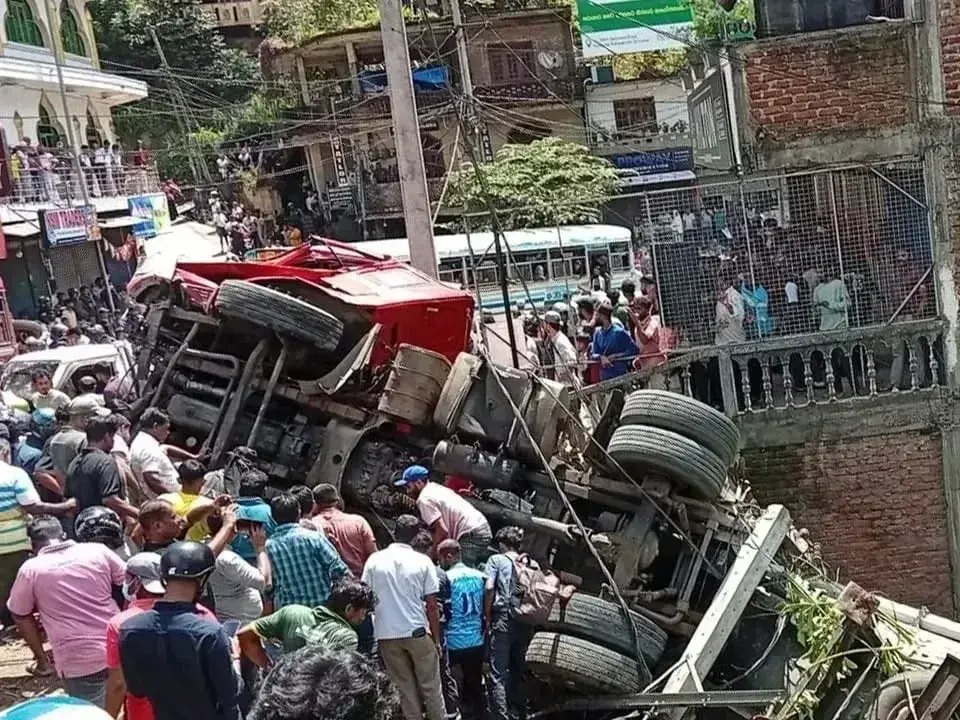
Teenage girl among four killed in Akurana crash; driver arrested
Oct 20, 2026
Latest News
SLPP-affiliate among two remanded over Kavanthissa shooting as President orders inquiry
Oct 20, 2026
Latest News
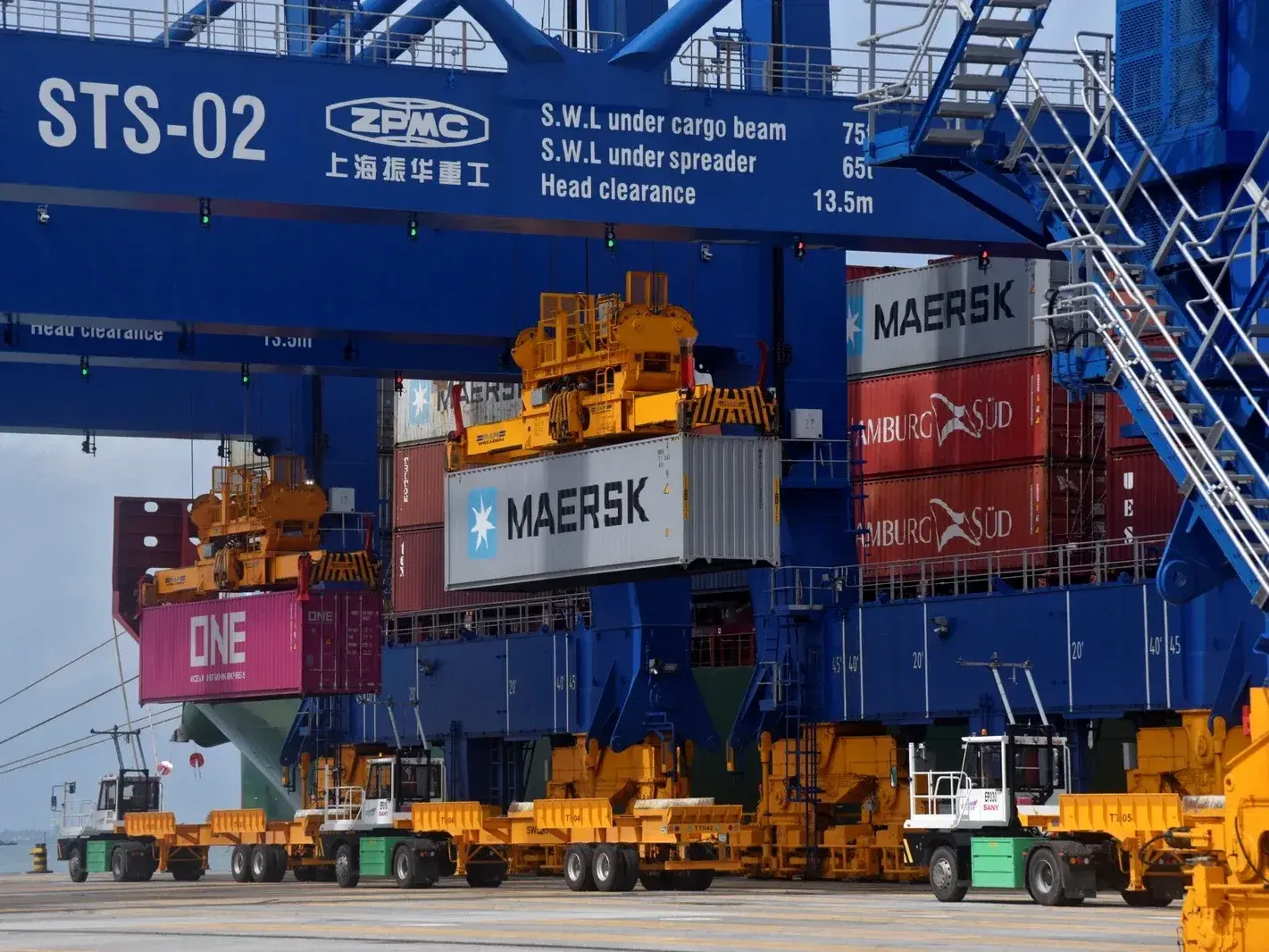
SLPA to develop new Colombo Port logistics hub after shelving US$280 million joint venture
Oct 19, 2026