Latest News
More women than men die of dengue, say health authorities
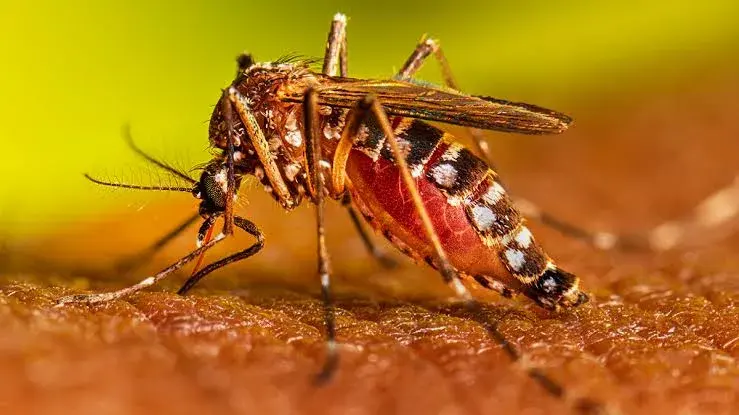
More women than men have died from dengue this year, with health authorities warning that delays in seeking medical care due to household responsibilities could be contributing to the higher female death toll.
Acting Director of the National Dengue Control Unit (NDCU) Dr. Kapila Kannangara said that of the 53 dengue-related deaths reported across the country so far this year, 37 were women.
He urged women to seek immediate medical advice and treatment when dengue symptoms appear, stressing that early medical intervention is crucial to prevent complications and deaths.
Dr. Kannangara said one of the key reasons for the higher number of female fatalities was that many women continued to engage in household duties despite falling ill, instead of obtaining adequate rest and medical care.
“Women diagnosed with dengue need complete rest, but many ignore their condition due to domestic responsibilities,” he said, warning that such delays often result in patients being admitted to hospitals only after their condition has become critical.
He cautioned the public against relying on traditional remedies and home treatments for dengue, saying that delaying professional medical care could have serious consequences.
While acknowledging that traditional medicine may be useful for certain illnesses, Dr. Kannangara stressed that suspected dengue patients should not experiment with unproven remedies and should instead seek treatment from qualified medical practitioners.
He warned that patients who postpone hospital admission after trying home remedies are often more difficult to treat, as the disease may have progressed to severe stages involving complications such as liver and kidney failure.
According to the latest figures, Sri Lanka has recorded 74,478 dengue cases so far this year, including 19,100 cases reported in July alone. A further 843 cases were detected within the past 24 hours.
Although dengue transmission has shown a slight decline in recent weeks, Dr. Kannangara said the country remained at a high-risk level, with special dengue control programmes continuing nationwide.
He advised people experiencing dengue symptoms to consult a qualified medical practitioner within two days of the onset of illness and avoid self-medication except for the use of paracetamol to control fever.
Dr. Kannangara also warned against consuming unproven remedies such as papaya leaf juice, boiled jackfruit-based preparations and herbal concoctions made from plants such as ‘Monarakudumbiya’, saying such practices could delay proper treatment.
He said medical specialists had observed an increasing number of dengue patients arriving at hospitals only after several days of relying on home remedies, by which time serious complications could already have developed.
The NDCU meanwhile reminded the public that eliminating mosquito breeding grounds and maintaining clean surroundings remained a collective responsibility in controlling the spread of dengue.
RELATED NEWS
View all

Latest News
New Bill seeks to eliminate rabies and regulate dog ownership in Sri Lanka
Sep 24, 2026

Latest News
Screen time rising among Sri Lankan preschool children, Health Ministry warns
Sep 24, 2026

Latest News
China to deploy meteorological early-warning system in Sri Lanka
Sep 24, 2026

Latest News
Government moves to ease prison overcrowding as remand population falls, Justice Minister says
Sep 23, 2026