Latest News
Sri Lanka plans Rs. 600 billion railway electrification project
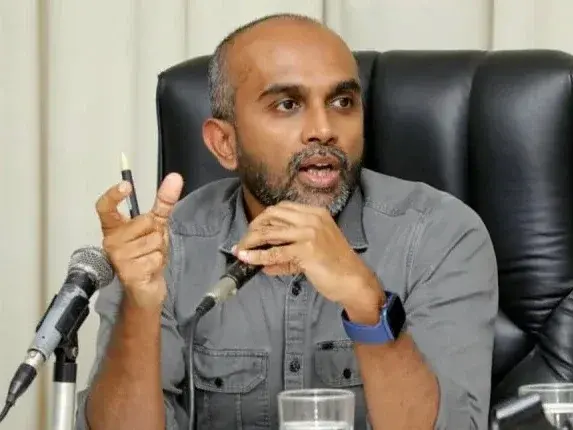
Sri Lanka is preparing a major railway electrification project estimated to cost around Rs. 600 billion, with civil works expected to begin next year, Deputy Minister of Transport and Highways Dr Prasanna Gunasena said.
Gunasena said the Government was currently preparing the documentation required for the project, which is expected to take between three and four years to complete.
The project forms part of a broader effort to modernise Sri Lanka’s ageing railway network and improve the efficiency of public transport.
However, Gunasena said that although the project would be financed in rupees, a substantial share of the expenditure would ultimately require foreign currency because Sri Lanka would have to import equipment and technology.
He estimated that as much as two-thirds of expenditure on some components of the project could leave the country in foreign currency.
New rolling stock, signalling equipment and other technology required for railway electrification would have to be imported, he said.
Gunasena said the Government therefore had to balance major infrastructure investment with the need to maintain foreign exchange stability.
Even projects financed domestically contain a significant foreign exchange component because equipment, machinery and materials have to be purchased from overseas, he said.
The Government has begun several large infrastructure projects using domestic funds and plans to launch further major projects over the coming year, according to the Deputy Minister.
He said expenditure on these projects would increase considerably as construction gathered pace, particularly towards 2028.
Sri Lanka could consider external financing for some components if foreign currency outflows increased to a level that placed pressure on reserves, Gunasena said.
“At present, there is no major problem,” he said, adding that the Government would continue to monitor foreign currency inflows and outflows while implementing the programme.
Gunasena also said the first phase of railway electrification was expected to cover the coastal railway line towards Panadura.
The Government is examining other improvements to the railway network, including additional tracks and technical options for future rolling stock and infrastructure.
Sri Lanka currently operates a broad-gauge railway network, while standard-gauge systems are more widely used internationally. Gunasena said the greater availability of standard-gauge rolling stock and equipment internationally was among the technical issues being considered as part of the modernisation process.
The railway electrification programme is one of several major transport infrastructure projects the Government plans to advance after restarting road and railway projects that had stalled in previous years.
RELATED NEWS
View all

Latest News
Sri Lanka advises early paddy planting ahead of heavy rains, 2027 dry spell
Sep 04, 2026

Latest News
Sri Lanka dengue cases rise to 96,040
Sep 04, 2026
Latest News
Metro Bus service aims to create new public transport culture
Sep 04, 2026

Latest News
Heavy rain forecast for drought-hit eastern areas as El Niño strengthens
Sep 04, 2026