Latest News
Survey: 15-mile shift could save 95% of Lanka whales
Moving international shipping routes 15 nautical miles further south of Sri Lanka could reduce the risk of ships colliding with blue whales by as much as 95%, according to surveys by the International Fund for Animal Welfare (IFAW).
A report published by A-Z Animals, citing IFAW research, said Sri Lanka’s resident blue whale population faces a particular risk because the whales remain in the country’s waters throughout the year instead of undertaking seasonal migrations.
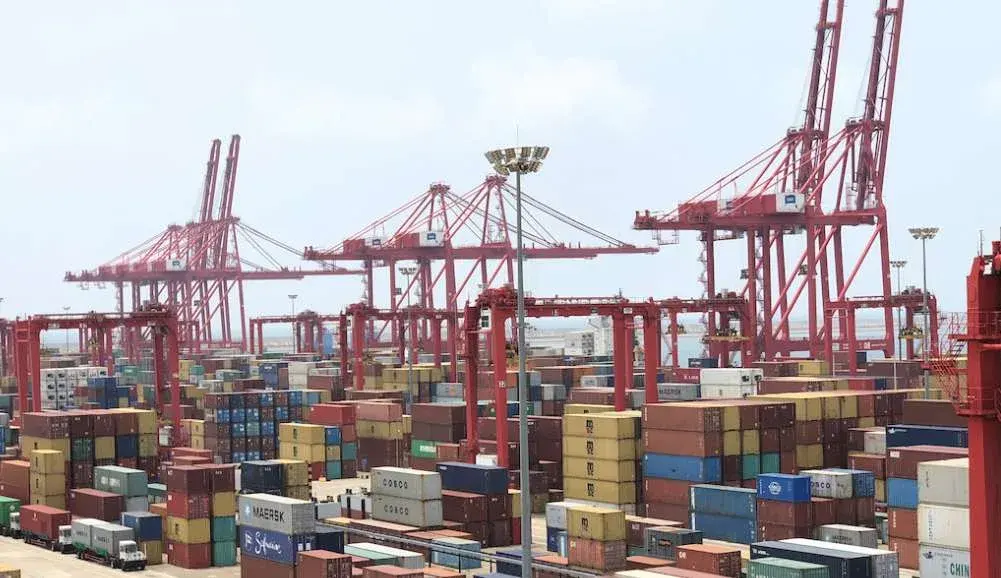
The waters off Sri Lanka form part of one of the world’s busiest east-west shipping routes, with more than 70,000 vessels passing through the area annually. More than 200 ships are estimated to pass Sri Lanka each day.
Many vessels travel within 10 nautical miles of the coast, overlapping with areas frequented by blue whales, according to the report.
Unlike most blue whale populations, those in the northern Indian Ocean, including waters around Sri Lanka, the Maldives and Oman, are believed to remain in the region year-round because monsoon-driven ocean currents provide a continuous supply of food.
The overlap between the whales’ habitat and major shipping routes has made ship strikes a serious conservation concern. The report said many collisions go unreported, making it difficult to establish the actual number of whales killed by vessels.
IFAW surveys have found that shifting the shipping route 15 nautical miles south could significantly reduce the risk of whale-ship collisions while allowing the vessels to continue using the international shipping corridor.
The shipping lanes off Sri Lanka carry a substantial share of global maritime trade, including oil and container cargo, further highlighting the challenge of balancing maritime traffic with marine conservation.
Blue whales are classified as endangered and face a range of human-related threats, including ship strikes, entanglement in fishing gear and the effects of climate change.
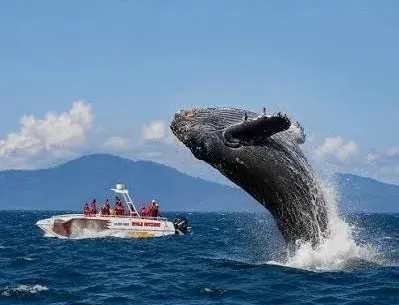
The continued presence of blue whales off Sri Lanka has also supported the country’s whale-watching industry, although conservation groups have stressed the importance of responsible whale-watching practices and maintaining a safe distance from the animals.
The IFAW research highlights the potential for relatively modest changes to shipping routes to substantially reduce the threat to one of the world’s largest marine mammals while maintaining the flow of international maritime traffic.
Share this story
RELATED NEWS
View all