Volume 1, Columns
The Myths And Truths Of The Much Maligned Singapore- Sri Lanka Trade Agreement
October 05, 2018
The Singapore-Sri Lanka Free Trade Agreement (SSLFTA), signed earlier this year has garnered much discussion in Sri Lankan business, political, and social circles. Free trade agreements are full of convoluted, technical jargon and in the absence of a clear communication strategy to explain its contents by the government to the public, the information gap is filled by others. Members of professional organizations such as the GMOA have been particularly vocal about this agreement. Unfortunately, much of what is being said by these representatives of professionals is rooted in falsehoods. I do not intend to question the motives behind these falsehoods, for they are, all honourable men. I write, not to disprove what these professionals have said, but to speak what I know.
Therefore, my intention is to simplify some of the technical details and provide some insight into the FTA by rooting the analysis in fact. To aid my case, I have often used screenshots from the original text of the agreement, which is freely available here.
One of the earliest criticisms of the agreement was that it applies to the entire territory of Sri Lanka, whereas it applies only to two a very small geographical spaces in Singapore. The text of the agreement state otherwise. As noted below, the agreement applies to the entire territory of both countries, including its air and sea space.
The only exceptions are in concern to special economic zones such as the Sentosa Island. These zones currently operate under separate economic conditions, albeit under Singaporean law. Similarly, once the Colombo Port City is developed, one could expect similar exemptions since investors in the Port City will likely be granted special economic conditions to improve the ease of doing business, whilst being under the Sri Lankan constitution.
One of the most misleading criticisms of the FTA is that foreigners can come to work in Sri Lanka by getting Singaporean permanent residency. This is a complete falsehood.
Whereas the agreement applies to citizens of Sri Lanka, it applies to both citizens and permanent residents (PR) of Singapore. The extension of this agreement to permanent residents has caused concerns that other nationals (e.g. Indians and Bangladeshis) will exploit the agreement to gain access to Sri Lanka by gaining PR in Singapore. PR holders in Singapore are seen as economic agents. Therefore, such a privilege is granted by the Singaporean government to only a select few; either through its Global Investor Programme (GIP) or as a high-skilled employee with a work permit. Under the GIP, one must invest S$ 2.5 million (approximately US$ 1.8 million) in a business or GIP-approved fund in Singapore. Alternatively, one must possess a work permit to be employed in the country and provide a variety of credentials to prove their economic value to the Singaporean economy (e.g. degree and institute from which they graduated, the length of physical stay in Singapore, etc.). As such, gaining PR status in Singapore is not as easy as one might lead you to believe.
Moreover, recognise that Singapore has a fully-fledged social security programme that provides a high standard of subsidised education and healthcare to its citizens and permanent residents. Therefore, they have no incentive to waste government resources and grant PR status to individuals that cannot provide unique economic value to its economy. It is due to this exact purpose that the SSLFTA has been extended to Singaporean permanent residents as well. Many investors in Singapore’s SMEs and dynamic firms are permanent residents. Therefore, it would be counter-intuitive to exclude a valuable economic asset from the agreement.
Trade in Services
The SSLFTA is the first time that Sri Lanka has included the trade of services in an FTA. Global trade has evolved significantly since Sri Lanka last signed an FTA in the early 2000s. All new trade agreements signed between countries included both goods and services, since trade in services is becoming a more prominent tradable sector in countries, including Sri Lanka. As such, in order to allow Sri Lankan industries in the services sector to benefit from better global linkages, it is vital that services are addressed in an FTA.
Unfortunately, unlike trade in goods, services include somewhat complex technical jargon. For instance, services are categorized into four modes and a lack of understanding about these specific modes appears to be the source of most falsehoods about the SSLFTA.
[caption id="attachment_1762" align="alignleft" width="1024"]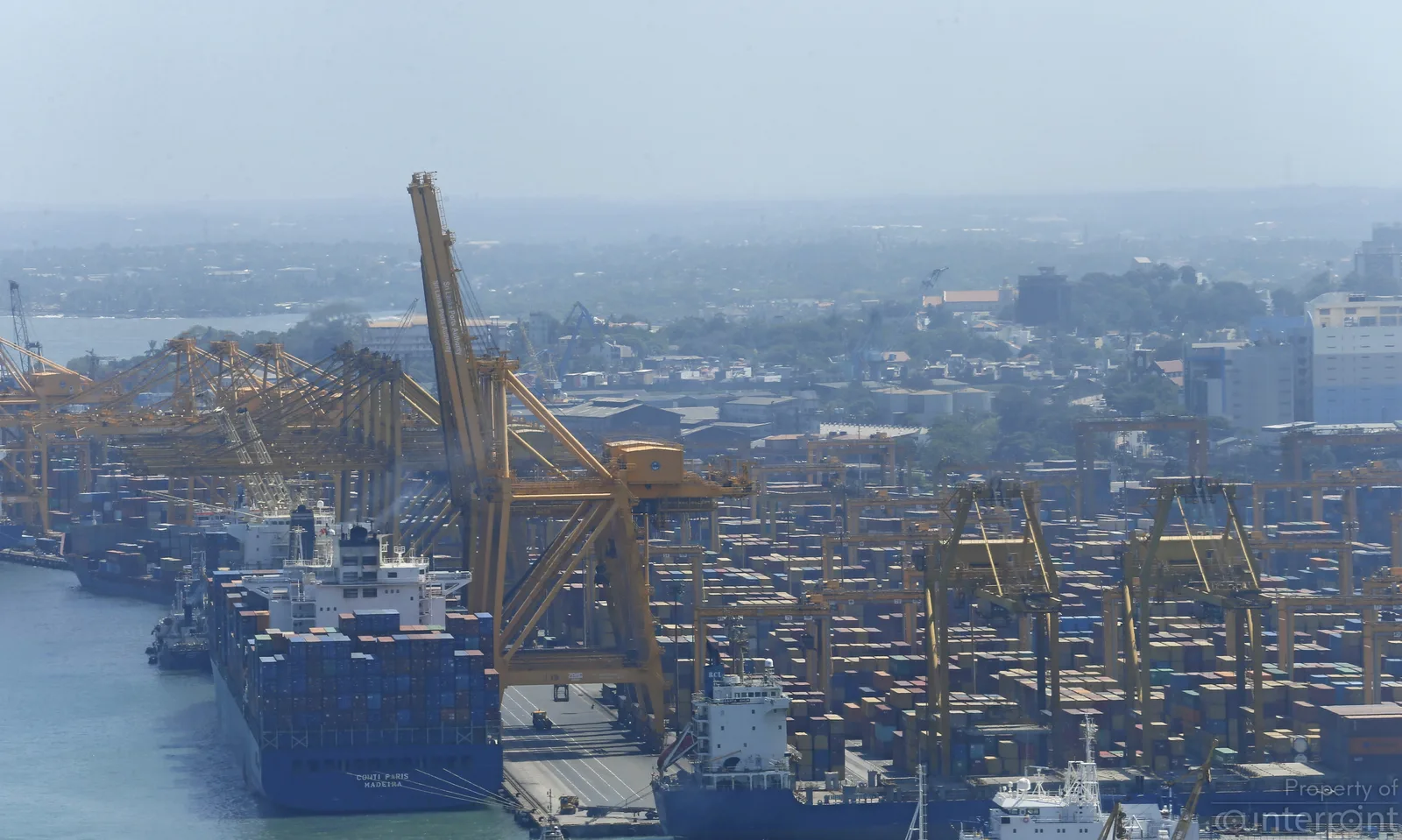 FTA’s are highly technical agreements. When they get caught up in political campaigns the ill-informed take over the discussion.[/caption]
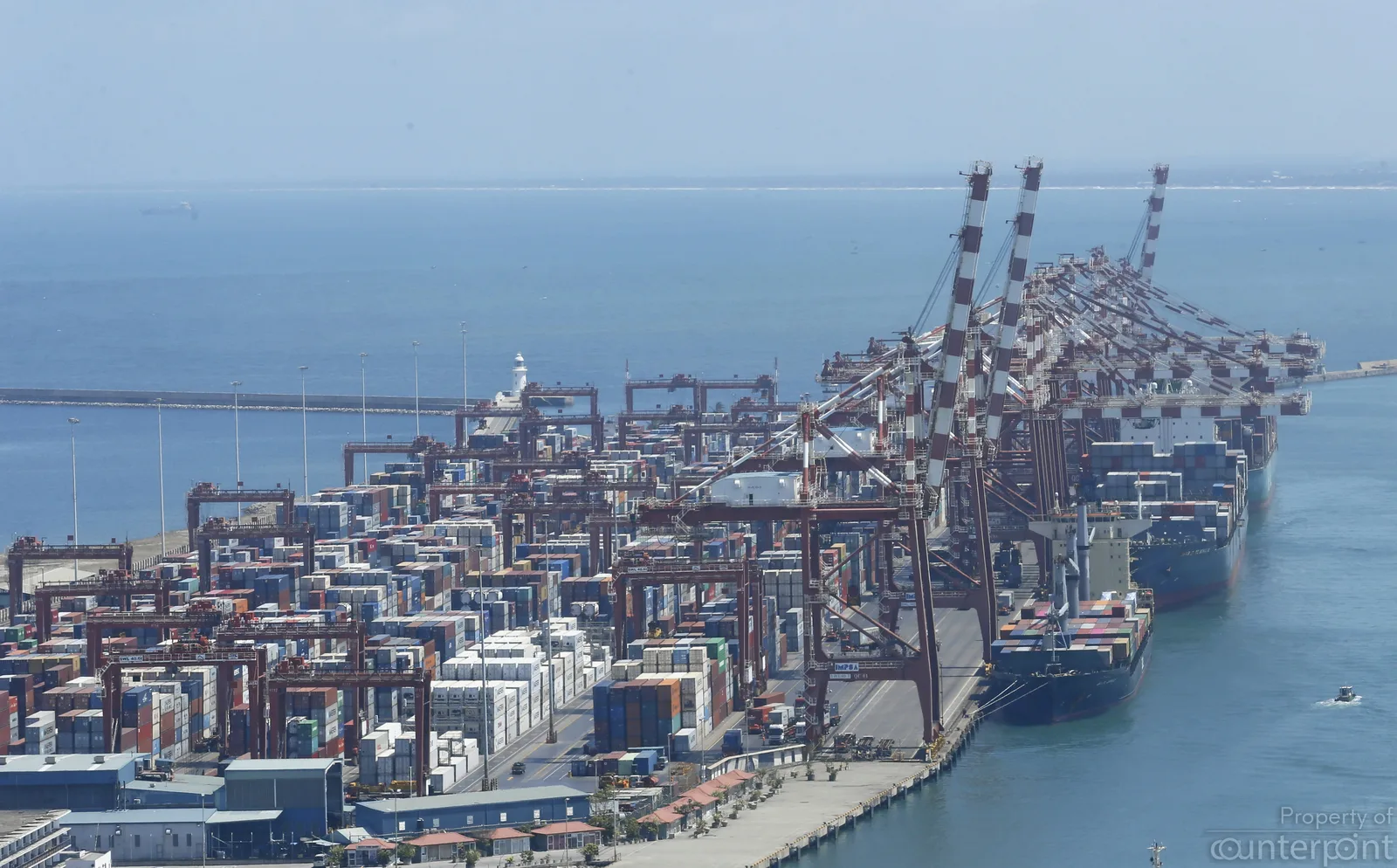 One of the most controversial allegations is that toxic waste will be dumped in Sri Lanka under this agreement. Little knowledge and a big mouth are a very dangerous combination.[/caption]
Toxic waste importation
The importation of waste material is banned under the Basel Convention, to which Sri Lanka is a signatory. In addition, Sri Lanka has passed several domestic environmental protection laws, which prohibits the import of waste.
When drafting trade agreements, countries agree to liberalize (have zero import tariff) a certain percentage of tariff lines (broadly speaking, product types). Therefore, it is strategically valuable to include goods that are not imported in order to give more flexibility to place goods that are either high revenue earners or competing against sensitive sectors in the domestic economy on the list of tariff lines not being liberalized. This is the reason for the presence of tariff lines representing toxic waste in the zero-tariff schedule. In fact, Sri Lanka followed the same strategy under the Pakistan-Sri Lanka FTA in 2005. Therefore, if those purporting these scare tactics were to be true, one would expect at least some waste imports to have come into the country over the past thirteen years. The absence of any toxic waste imports, therefore, should speak volumes.
These agreements are consumer friendly
Protectionism and nationalist policies have largely been the cause of Sri Lanka’s current economic turmoil. Moreover, behind the veneer of “protecting the country” special interest groups have successfully protected their interests at the expense of the wider public’s interest. By reducing tariffs on 80% of imports from Singapore, Sri Lankan consumers benefit more as the tariff burden is always passed on to the consumer. As a result, trade liberalisation and the elimination of tariffs and para-tariffs will reduce the cost of living and improve the choices available to the public. Moreover, many products liberalized under the FTA are what are considered intermediate goods. These products are usually used in the manufacturing sector for value addition. Thus, the reduction of tariffs on such products will also reduce the cost of production in Sri Lanka and make our products more competitive in the country as well as in the export market.
[caption id="attachment_1764" align="alignleft" width="1024"]
One of the most controversial allegations is that toxic waste will be dumped in Sri Lanka under this agreement. Little knowledge and a big mouth are a very dangerous combination.[/caption]
Toxic waste importation
The importation of waste material is banned under the Basel Convention, to which Sri Lanka is a signatory. In addition, Sri Lanka has passed several domestic environmental protection laws, which prohibits the import of waste.
When drafting trade agreements, countries agree to liberalize (have zero import tariff) a certain percentage of tariff lines (broadly speaking, product types). Therefore, it is strategically valuable to include goods that are not imported in order to give more flexibility to place goods that are either high revenue earners or competing against sensitive sectors in the domestic economy on the list of tariff lines not being liberalized. This is the reason for the presence of tariff lines representing toxic waste in the zero-tariff schedule. In fact, Sri Lanka followed the same strategy under the Pakistan-Sri Lanka FTA in 2005. Therefore, if those purporting these scare tactics were to be true, one would expect at least some waste imports to have come into the country over the past thirteen years. The absence of any toxic waste imports, therefore, should speak volumes.
These agreements are consumer friendly
Protectionism and nationalist policies have largely been the cause of Sri Lanka’s current economic turmoil. Moreover, behind the veneer of “protecting the country” special interest groups have successfully protected their interests at the expense of the wider public’s interest. By reducing tariffs on 80% of imports from Singapore, Sri Lankan consumers benefit more as the tariff burden is always passed on to the consumer. As a result, trade liberalisation and the elimination of tariffs and para-tariffs will reduce the cost of living and improve the choices available to the public. Moreover, many products liberalized under the FTA are what are considered intermediate goods. These products are usually used in the manufacturing sector for value addition. Thus, the reduction of tariffs on such products will also reduce the cost of production in Sri Lanka and make our products more competitive in the country as well as in the export market.
[caption id="attachment_1764" align="alignleft" width="1024"]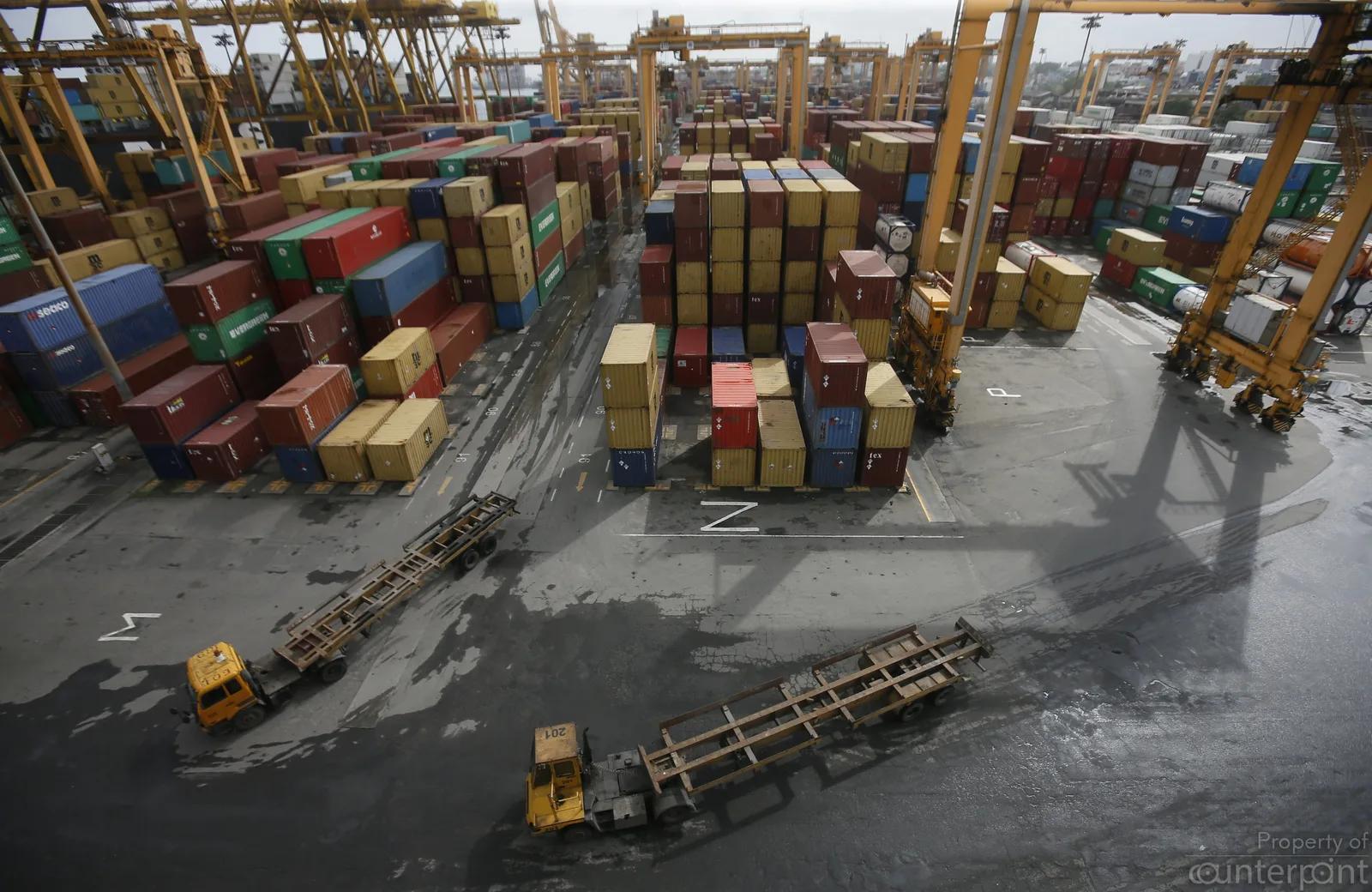 Exports have fallen and imports have increased in the last 20 years. Our politicians and policy makers are still debating the answers.[/caption]
Conclusion
Over the years, as our comparators modernised its economy and integrated into the global economy, Sri Lanka has been left behind. We take pride in being an Asian stalwart of economic reforms and social policy. However, a quick glance at global indices such as the Global Competitiveness Index demonstrates that while Sri Lanka remains stagnant, other developing economies such as Bangladesh and Vietnam have outpaced us easily. This is not just about the war either. Even in a post-conflict setting, Sri Lanka has failed to attract adequate FDI and grow its export sector. As such, it is vital that Sri Lanka looks towards reforming its economy. The Singapore-Sri Lanka FTA is a positive step in that direction. However, in Sri Lanka, judgement flees when faced with the brutish beasts that are special interest groups and political powers often lose their reasoning. Ultimately, it’s the silent majority that are harmed by the vocal minority.
Exports have fallen and imports have increased in the last 20 years. Our politicians and policy makers are still debating the answers.[/caption]
Conclusion
Over the years, as our comparators modernised its economy and integrated into the global economy, Sri Lanka has been left behind. We take pride in being an Asian stalwart of economic reforms and social policy. However, a quick glance at global indices such as the Global Competitiveness Index demonstrates that while Sri Lanka remains stagnant, other developing economies such as Bangladesh and Vietnam have outpaced us easily. This is not just about the war either. Even in a post-conflict setting, Sri Lanka has failed to attract adequate FDI and grow its export sector. As such, it is vital that Sri Lanka looks towards reforming its economy. The Singapore-Sri Lanka FTA is a positive step in that direction. However, in Sri Lanka, judgement flees when faced with the brutish beasts that are special interest groups and political powers often lose their reasoning. Ultimately, it’s the silent majority that are harmed by the vocal minority.
FTA’s are highly technical agreements. When they get caught up in political campaigns the ill-informed take over the discussion.[/caption]
- Mode 1 is the cross-border supply of services. In simpler terms, this is the ability for people to pay for a services over the internet or other telecommunication infrastructure (e.g. call centres)
- Mode 2 is consumption abroad. This allows a citizen of another country to pay for a service while visiting the other country (e.g. tourists and foreign university students)
- Mode 3 is commercial presence. This allows a company of another country (e.g. Singapore) to serve in the other country (e.g. Sri Lanka) by opening a branch or subsidiary (e.g. bank setting up a branch overseas). It’s important to note that this Mode allows only for the physical presence of the company and not any employees or other personnel.
- Mode 4 is the presence of natural persons. When liberalised for a sector, this mode allows foreign nationals to work in the host country, specific to the stated sector, under conditions that are generally outlined in the agreement.
One of the most controversial allegations is that toxic waste will be dumped in Sri Lanka under this agreement. Little knowledge and a big mouth are a very dangerous combination.[/caption]
Toxic waste importation
The importation of waste material is banned under the Basel Convention, to which Sri Lanka is a signatory. In addition, Sri Lanka has passed several domestic environmental protection laws, which prohibits the import of waste.
When drafting trade agreements, countries agree to liberalize (have zero import tariff) a certain percentage of tariff lines (broadly speaking, product types). Therefore, it is strategically valuable to include goods that are not imported in order to give more flexibility to place goods that are either high revenue earners or competing against sensitive sectors in the domestic economy on the list of tariff lines not being liberalized. This is the reason for the presence of tariff lines representing toxic waste in the zero-tariff schedule. In fact, Sri Lanka followed the same strategy under the Pakistan-Sri Lanka FTA in 2005. Therefore, if those purporting these scare tactics were to be true, one would expect at least some waste imports to have come into the country over the past thirteen years. The absence of any toxic waste imports, therefore, should speak volumes.
These agreements are consumer friendly
Protectionism and nationalist policies have largely been the cause of Sri Lanka’s current economic turmoil. Moreover, behind the veneer of “protecting the country” special interest groups have successfully protected their interests at the expense of the wider public’s interest. By reducing tariffs on 80% of imports from Singapore, Sri Lankan consumers benefit more as the tariff burden is always passed on to the consumer. As a result, trade liberalisation and the elimination of tariffs and para-tariffs will reduce the cost of living and improve the choices available to the public. Moreover, many products liberalized under the FTA are what are considered intermediate goods. These products are usually used in the manufacturing sector for value addition. Thus, the reduction of tariffs on such products will also reduce the cost of production in Sri Lanka and make our products more competitive in the country as well as in the export market.
[caption id="attachment_1764" align="alignleft" width="1024"] Exports have fallen and imports have increased in the last 20 years. Our politicians and policy makers are still debating the answers.[/caption]
Conclusion
Over the years, as our comparators modernised its economy and integrated into the global economy, Sri Lanka has been left behind. We take pride in being an Asian stalwart of economic reforms and social policy. However, a quick glance at global indices such as the Global Competitiveness Index demonstrates that while Sri Lanka remains stagnant, other developing economies such as Bangladesh and Vietnam have outpaced us easily. This is not just about the war either. Even in a post-conflict setting, Sri Lanka has failed to attract adequate FDI and grow its export sector. As such, it is vital that Sri Lanka looks towards reforming its economy. The Singapore-Sri Lanka FTA is a positive step in that direction. However, in Sri Lanka, judgement flees when faced with the brutish beasts that are special interest groups and political powers often lose their reasoning. Ultimately, it’s the silent majority that are harmed by the vocal minority.
Share this story
RELATED NEWS
View all





