Mirror Wall
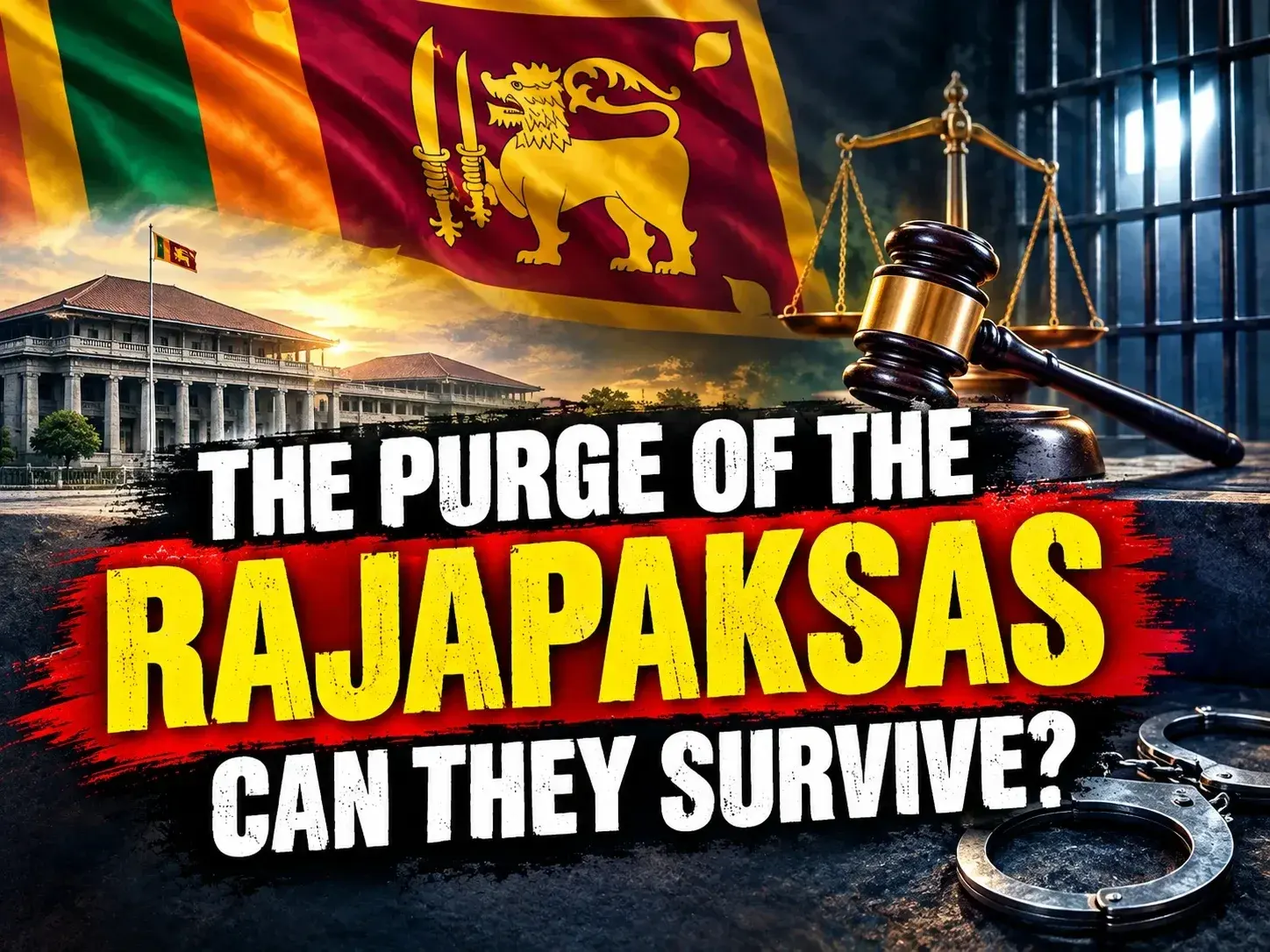
The purge of the Rajapaksas: Can they survive?
By Kassapa
There was a time, just fifteen years ago, when ‘Rajapaksa’ was the most marketable brand name in politics. Mahinda Rajapakasa was President, Gotabaya Rajapaksa was Secretary to the Ministry of Defence, Chamal Rajapaksa was Speaker, Basil Rajapaksa was Minister of Economic Development and heir apparent Namal Rajapaksa was a member of Parliament. Basking in the glory of leading the armed forces to victory over the Liberation Tigers of Tamil Eelam (LTTE), the Rajapaksa’s were on a roll. The stage was set for them to dominate Sri Lankan politics forever, or so it seemed.
Unfortunately, there is no better example than this ‘first family’ for the saying, ‘power corrupts, absolute power corrupts absolutely’. Kicked out of office in 2015, they didn’t learn their lessons even then. Basil Rajapaksa’s political cunning and Maithripala Sirisena’s treachery returned them to office in 2019. In this ‘second innings’, in a 28-member Cabinet, five were from the Rajapaksa family, four brothers and one offspring. They seemed determined to carry on from where they had left in 2015. When they were kicked out for a second time, Gotabaya Rajapaksa had to literally run for his life with protestors baying for his blood at the gates of President’s House.
Without that public uprising- better known as the ‘aragalaya’- it is doubtful as to whether the National Peoples’ Power (NPP) would be in government today. It was a combination of factors that ushered them into power: the corruption and mismanagement shown by the Rajapaksa-led Sri Lanka Podujana Peramuna (SLPP), the simultaneous decline of the more established United National Party (UNP) and the Sri Lanka Freedom Party (SLFP) thanks to Ranil Wickremesinghe and Maithripala Sirisena respectively and finally, the sheer inefficiency of Sajith Premadasa as Leader of the Opposition and leader of the Samagi Jana Balavegaya (SJB). To their credit, the NPP optimised these factors to their advantage. Also, in Anura Kumara Dissanayake they had a man who could move millions into voting for them.
Now, the Rajapaksas are fighting not for political survival but to stay out of prison. Namal Rajapaksa is in custody. At the time of writing, so is his mother Shiranthi Rajapaksa. A warrant is out for the arrest of Shashindra Rajapaksa, son of Chamal Rajapaksa. Gotabaya Rajapaksa is still ‘out’ but has failed in his attempt to obtain a writ preventing his arrest over the 2019 Easter Sunday terror attacks. The only exception appears to be Mahinda Rajapaksa himself. He is frail and feeble and his public appearances only prove that he is now a shadow of the charismatic personality he once was. The smartest among the Rajapaksas appears to be Basil Rajapaksa, who is domiciled in the United States where he is a citizen and it is guaranteed that he will not return to Sri Lanka to face remand custody. Indeed, at the age of seventy-five and with the SLPP facing no real prospect of returning to power in the foreseeable future, he may have set foot in his motherland for the last time.
Namal Rajapaksa keeps appearing in Parliament making heroic statements about returning to power and claiming this is all a political witch-hunt. What he forgets is that almost all of the cases that are being prosecuted now (with the exception of the cases related to the Easter Sunday terror attacks) were initiated by the ‘yahapalanaya’ government in the 2015-2019 period. They just didn’t proceed because of the nexus between the UNP and the SLPP, or more specifically, the ‘deal’ between Ranil Wickremesinghe, Sagala Ratnayake and Vajira Abeywardena et al and the Rajapaksas. The Rajapaksas repaid this kindness, offering Wickremesinghe the Presidency on a platter to Wickremesinghe in 2022, ironically opposing their own Dullas Alahapperuma, when it came to a vote in Parliament.
Never mind the fate of the older Rajapaksas, they are politically dead for all intents and purposes now. Much will depend on what awaits Namal Rajapaksa. The one factor that is to his advantage is his age (40). After all, most of the country’s leaders assumed office in their sixties, Chandrika Kumaratunga and Anura Kumara Dissanayake being the exceptions.
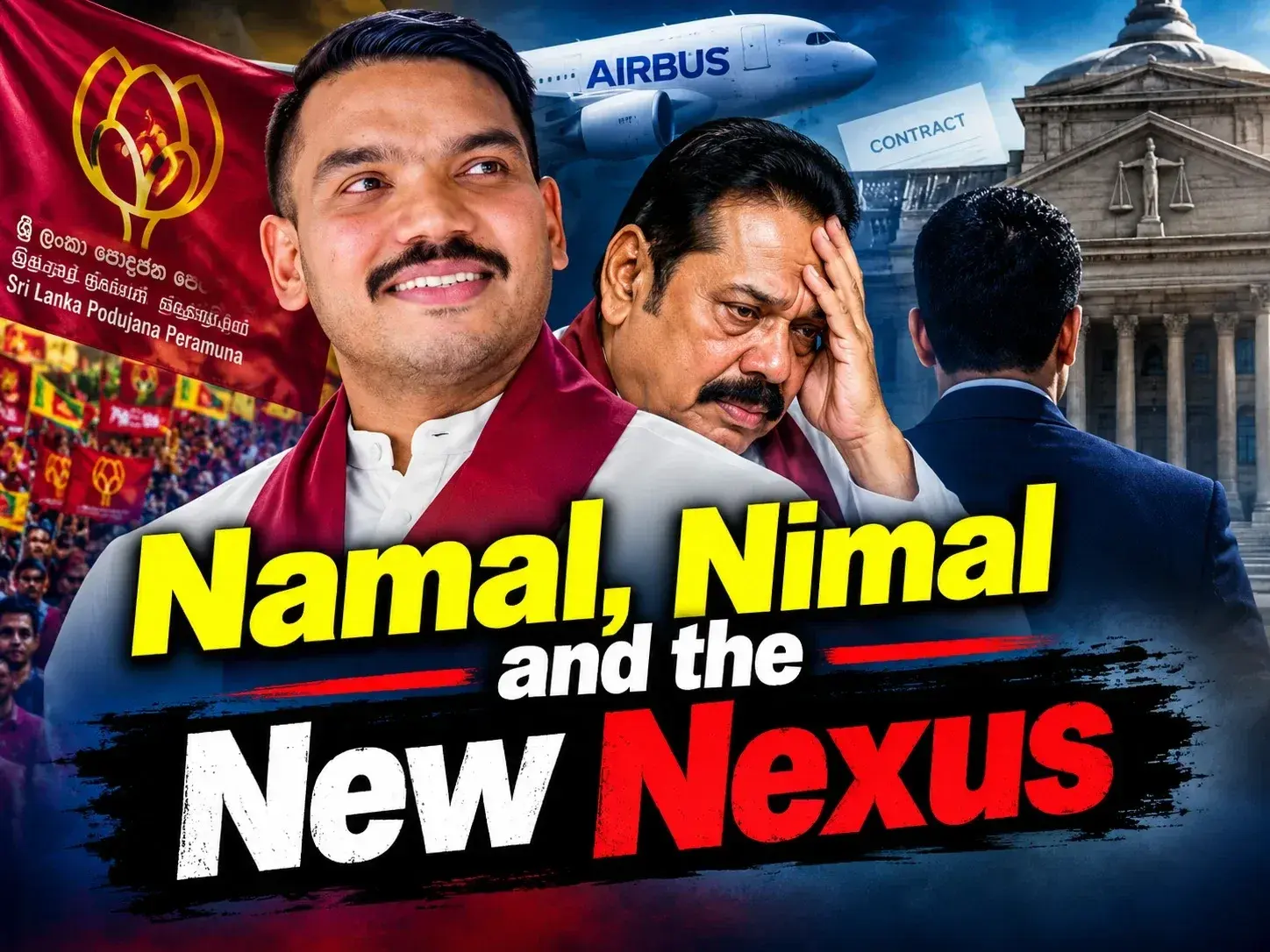
The two cases where Namal Rajapaksa is the focus of attention relate to the Airbus deal and the Krrish property transaction. There appears to be strong evidence against him, investigators familiar with the proceedings say. We will not make haste to prejudge these cases. Let justice take its course. If the younger Rajapaksa is acquitted, he will become a hero and will be able to claim that he was indeed the victim of a political smear campaign and that will add to his popularity. That though seems a remote possibility right now. Several cases against him are in process and there is every chance that he will be found wanting in one or the other of them.
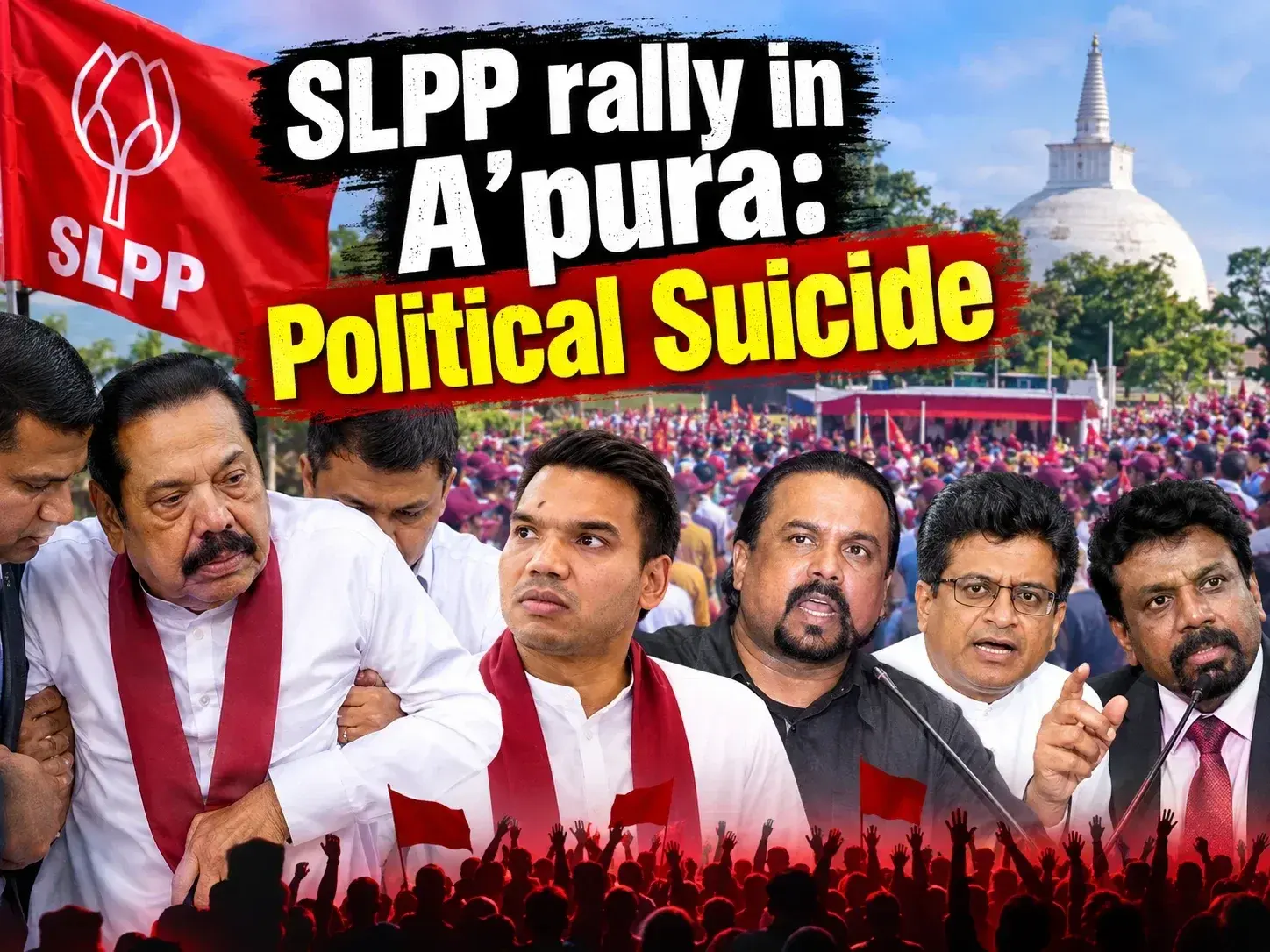
It is worthwhile noting that although the SLPP masqueraded as a democratic entity, it never was. It was always a political project of the Rajapaksa family to keep them in power forever. Similar to when the Senanayakes and the Bandaranaikes ruled the roost in the UNP and the SLFP respectively, the leader always had to have the correct surname. Both those parties have managed to get rid of that but the SLPP still remains a domain reserved exclusively for the Rajapaksas. Even now, with Namal Rajapaksa facing an uncertain few years ahead of him to say the least, there is no talk of a successor. That would be a dire need if Rajapaksa were to be imprisoned but no one dares raise such an issue.
So, is the Rajapaksa political dynasty dead? It is still premature to predict their future. We know the NPP will not remain in power forever. Their end date will come, eventually. The Marcos family did return to power in the Philippines. Strange things happen in politics. Namal Rajapaksa must be hoping for stranger things to happen in Sri Lanka.
Share this story