Latest News
Three unresolved demands hold up Sinopec’s $3.7 billion refinery, CoPF told
Sri Lanka’s proposed US$3.7 billion Sinopec refinery investment has not progressed because of unresolved requests to sell 40 per cent of its output locally, obtain additional land and secure water supplies, officials told the Committee on Public Finance (CoPF).
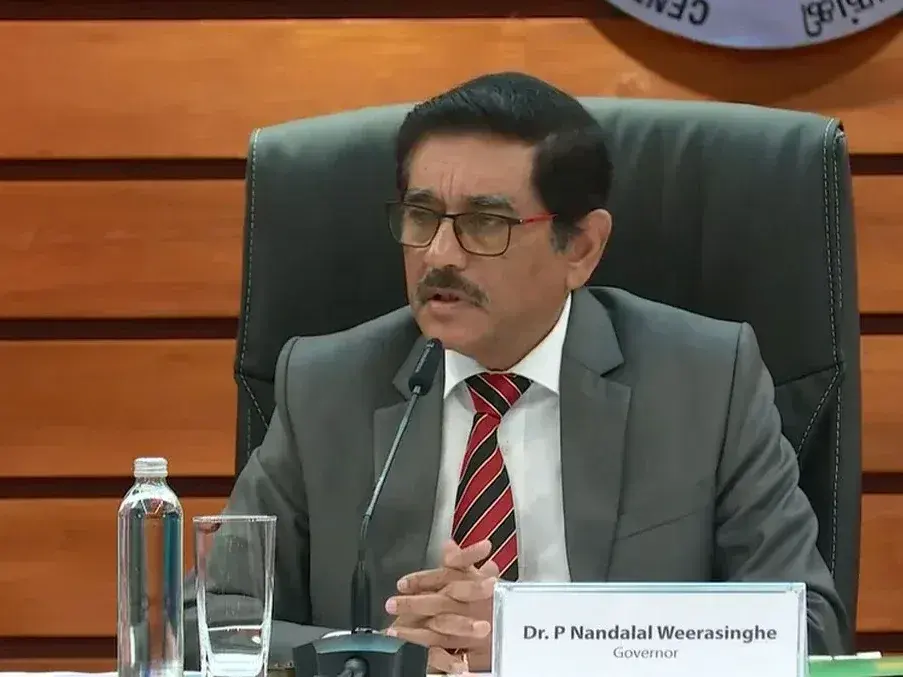
The explanation emerged when committee chairman Dr. Harsha de Silva questioned the status of the investment and asked whether Cabinet had decided to withdraw from the agreement.
An official denied that such a decision had been taken, as far as he knew.
Officials said Sinopec had subsequently sought three conditions that differed from the original arrangements for the export-oriented project. These included permission to sell 40 per cent of production in Sri Lanka and a land allocation twice the size originally offered.
The company had also requested water supplies, which officials said had not formed part of the government’s original undertaking. The three matters remained unresolved, preventing the investment from proceeding.
De Silva urged the government to show flexibility when negotiating with major investors. While he was not advocating permission for Sinopec to sell its entire output locally, he said Sri Lanka needed to accommodate reasonable negotiations if it wanted to attract large investments.
He questioned what the failure to secure an investment of this scale would mean for the country’s efforts to attract foreign capital.
Officials, however, raised concerns about the effect of domestic sales from the proposed refinery on the Ceylon Petroleum Corporation (CPC). They said even allowing a smaller share of production into the local market would have a substantial impact on the state-owned company.
An official said government policy was to strengthen CPC and double its capacity, adding that decisions were being made in accordance with that policy.
The exchange arose during a wider discussion on fuel pricing, subsidies and competition between CPC and private suppliers.
De Silva questioned whether the existing arrangements treated all market participants fairly, given that CPC benefits from operating a local refinery while competing suppliers import finished petroleum products.
He argued that foreign companies invited to invest in Sri Lanka should have confidence that they would receive equitable treatment.
Officials maintained that the companies had entered the market knowing that CPC operated a refinery and that their parent companies also had access to overseas refining operations.
The committee’s discussion did not establish that Sinopec had formally abandoned the refinery project. Officials’ explanation centred on the unresolved conditions, while the claim of a Cabinet decision to withdraw was denied.
Share this story