Point of View
Why Bali’s fuel queues should worry Sri Lanka
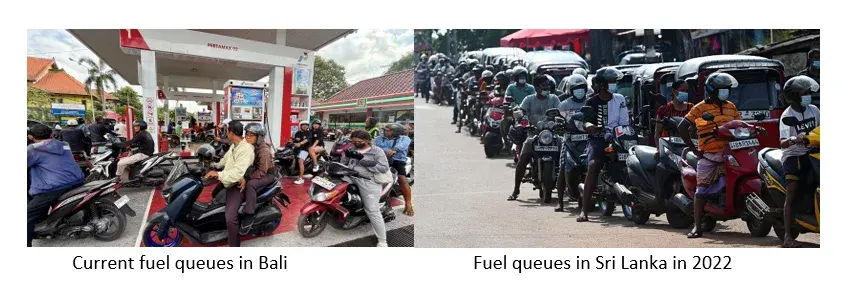
Bali, Indonesia’s popular tourist island, has been hit by a fuel distribution crisis that has left motorists waiting for hours at petrol stations, disrupted travel and affected residents and businesses. The shortage, reported from October 11, 2026, has exposed weaknesses in the island’s fuel delivery system, with delayed tanker operations, rough seas and unusually strong demand combining to create widespread disruption.
Petrol shortages have disrupted daily life on the Indonesian island of Bali, prompting working from home and online lessons from 15 to 17 October. Officials blame delayed tanker deliveries and distribution problems and Sri Lanka knows how quickly fuel shortages can destabilize an economy.
Bali's difficulties stem from pressure on fuel supplies as the Middle East conflict continues. Even wealthy countries are struggling to keep fuel available where motorists need it. For example, France too has been experiencing shortages. On 5 October, The Connexion reported that 15 per cent of French gas stations lacked at least one fuel type.
The situation in Sri Lanka seems stable for the time being but it has little room for complacency. Higher import prices consume foreign exchange even when shipments arrive on schedule. A prolonged disruption could damage tourism earnings just when the country needs those dollars to pay for imports.
The Government must secure deliveries well ahead of demand and maintain reserves sufficient to absorb delays. Deals with alternative suppliers must be made and substitute routes must be identified if an expected shipment becomes unavailable.
Bali also demonstrates why distribution needs to be closely monitored. Sri Lankan authorities need to know which stations are running low and arrange replenishment before queues develop. Contingency plans should protect essential services without leaving decisions about priority to individual dealers.
Fuel quotas require serious enforcement. In many gas stations fuel is dispensed outside the QR system, despite warnings by the Deputy Energy Minister, in May, that action against outlets accused of doing so. Allowing dealers to ignore quotas undermines the purpose of rationing and disadvantages motorists who observe their limits.
Authorities should compare fuel deliveries and pump sales with recorded QR transactions, investigate discrepancies and penalise deliberate breaches. Motorists also have a responsibility to stay within their allocations.
However, reducing dependence on imported fuel in a meaningful manner depends on rapid investment in renewables and battery storage units. The country has made rapid progress in expanding solar power but grid improvements and storage must be made to avoid instability in the grid.
Reducing the petrol and diesel consumed by vehicles also requires investment in transport. Better bus and rail services can reduce fuel consumption while making travel more affordable. Gradual electrification, particularly of heavily used public transport, would extend the benefits of cleaner electricity to the roads. These investments take time, which makes further delay costly.
In 2022, Sri Lankans lost wages and spent nights in queues because fuel could not be secured. Several deaths in fuel queues were also reported. Families are still trying to recover financially. The government must be ready to ensure another disruption does not take place. Bali's experience should prompt action while Sri Lanka still has the chance to prevent those scenes returning. We cannot afford another 2022. It is hoped that the government will learn from the experience of Bali and adopt urgent measures to prevent a similar situation arising here.
Share this story
RELATED NEWS
View all
Point of View
Protesting monks’ challenge: Govt. picks up the gauntlet
Oct 17, 2026
Point of View
Robe-sarong controversy eclipses all other issues
Oct 10, 2026

Point of View
A Speaker in the crosshairs, an Opposition in search of relevance
Oct 07, 2026
Point of View
When an oil shock reaches Sri Lanka
Sep 22, 2026