Latest News
CPSL blames systemic prison failures, IMF austerity for Negombo tragedy
The Communist Party of Sri Lanka (CPSL) has blamed what it described as a systemic collapse of the country's prison administration and the government's adherence to IMF-backed austerity measures for the recent violence at Negombo Prison, calling for an independent investigation and sweeping reforms to the correctional system.
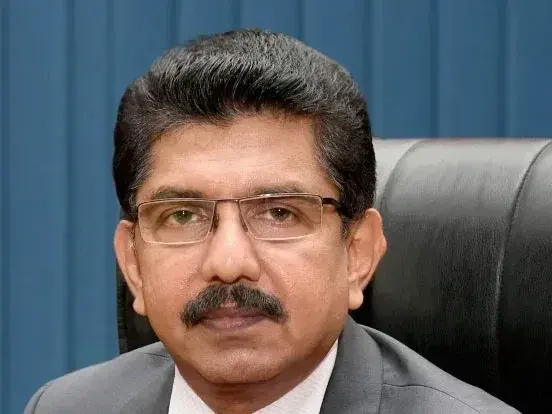
In a statement issued by its General Secretary, Dr. G. Weerasinghe, the CPSL extended condolences to the families of those killed during the unrest at Negombo Prison and subsequent incidents at other prisons, describing the violence as "not merely an administrative failure within a single institution but a profound systemic breakdown in Sri Lanka's criminal justice and correctional framework."
The party said prisons should function as institutions of rehabilitation rather than punishment and stressed that every effort should be made to preserve the lives of inmates.
Referring to President Anura Kumara Dissanayake's recent remarks that the death of even a single prisoner was unacceptable, the CPSL said the public had been alarmed by footage showing a Special Task Force (STF) officer apparently firing through the Judas window of the main gate at Negombo Prison.
The party questioned why non-lethal alternatives, including drone-based surveillance, had not been used and why command decisions had failed during the incident.
The CPSL also criticised the Minister of Justice and National Integration, alleging that he had not visited any of the prisons under his purview since assuming office.
Highlighting what it termed a structural crisis in the prison system, the party said Negombo Prison, built to accommodate between 650 and 680 inmates, was currently housing about 2,600 prisoners. It claimed that, nationwide, prisons designed for 10,000 to 11,000 inmates were now holding between 39,000 and 41,000 prisoners, describing the situation as "institutional collapse."
The statement further alleged that inmates faced inadequate access to medication amid ongoing health concerns, including dengue, and said the prison service was grappling with a shortage of about 1,500 personnel due to a recruitment freeze, leaving officers overworked and poorly paid.
The CPSL held the government directly responsible for the crisis, claiming that compliance with IMF-imposed austerity measures had hampered recruitment across the public sector, including the Department of Prisons, thereby undermining its ability to meet its obligations to both inmates and staff.
Calling the incident further evidence of the government's inability to govern effectively, the party urged the authorities to conduct an independent and transparent investigation into the Negombo Prison violence and make its findings public.
It also called for those responsible for any acts of negligence or misconduct to be held accountable, immediate medical care and humane treatment for inmates, urgent measures to address overcrowding, staff shortages and medical deficiencies, reforms aimed at shifting towards a restorative justice model, and the rejection of what it described as externally imposed austerity policies that compromise public safety and national sovereignty.
The CPSL appealed for calm and urged prison officials, inmates' families, civil society organisations and human rights groups to cooperate with the investigative process, while reaffirming its commitment to justice, accountability and the protection of human dignity.
RELATED NEWS
View all

Latest News
New Bill seeks to eliminate rabies and regulate dog ownership in Sri Lanka
Sep 24, 2026
Latest News
Screen time rising among Sri Lankan preschool children, Health Ministry warns
Sep 24, 2026

Latest News
China to deploy meteorological early-warning system in Sri Lanka
Sep 24, 2026

Latest News
Government moves to ease prison overcrowding as remand population falls, Justice Minister says
Sep 23, 2026