Latest News
Drug price regulation saved Rs. 5.7 billion on 13 medicines - NMRA chairman
Share this story
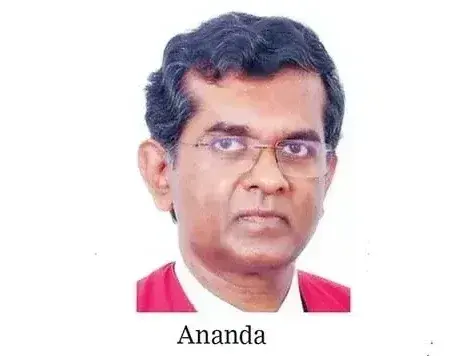
Sri Lanka is estimated to have saved about Rs. 5.7 billion through lower procurement prices for just 13 medicines following stronger price regulation, increased product registration and more competitive tendering, National Medicines Regulatory Authority (NMRA) Chairman Dr Ananda Wijewickrama said.
Wijewickrama said the estimate had been prepared using procurement data from the State Pharmaceuticals Corporation and compared earlier prices with those obtained through more recent tenders.
Among the medicines examined was albumin, where the estimated saving alone was about Rs. 2.1 billion. Savings running into hundreds of millions of rupees were also recorded on several antibiotics, anticoagulants and other high-cost medicines used to treat critically ill patients, he said.
He attributed the reductions to closer coordination between the NMRA, the Medical Supplies Division and the State Pharmaceuticals Corporation over the past two years.
Wijewickrama said the NMRA had increased the registration of alternative suppliers for medicines that previously had only one or two registered sources, helping create greater competition when the government called tenders.
He said medicine price controls were necessary because pharmaceuticals did not operate like ordinary consumer goods, where buyers could freely compare products and make purchasing decisions based on price.
Patients generally rely on prescriptions and often have limited ability to choose between brands, he said, adding that higher prices did not necessarily indicate better quality.
Wijewickrama said some medicines had previously been sold at prices several times higher than their cost, insurance and freight, or CIF, value when they arrived in Sri Lanka.
He cited examples of products with very large mark-ups, arguing that while importers and distributors were entitled to reasonable margins to cover storage, distribution and other costs, excessive margins placed an unnecessary burden on patients.
Sri Lanka first introduced maximum retail prices for 48 medicines in 2016, with another 12 added in 2017. Wijewickrama said prices of a number of widely used brands fell substantially following the controls, while sales volumes increased because patients were better able to afford prescribed treatments.
He rejected claims that tighter price controls would automatically drive medicines out of the market, saying many brands that had their prices reduced remained available and recorded higher sales.
According to Wijewickrama, the NMRA has subsequently moved towards setting prices for individual brands using a formula based largely on the CIF value of the product and an approved mark-up.
The mark-up varies according to the cost of the medicine, with proportionately higher margins allowed for lower-cost products and lower percentage margins for expensive medicines.
He said international reference prices and the prices of comparable brands in Sri Lanka were also examined where necessary to verify the figures submitted by importers.
The system does not mean that the same price is imposed on medicines manufactured in different countries, Wijewickrama said. Production costs can differ significantly, particularly between Western countries and lower-cost manufacturing locations, and these differences are reflected in CIF values.
He said the NMRA had recently approved price increases for some medicines because of exchange-rate movements, but prices of several other products had fallen after being reassessed under the pricing formula.
Wijewickrama cited examples of medicines used for hypertension, diabetes and influenza where prices had been reduced, saying such changes were particularly important for patients who needed treatment for months or years.
He said one antiviral used to treat influenza had been sold at close to Rs. 2,000 per tablet but could be priced significantly lower under the current formula, reducing the cost of a full course of treatment.
Wijewickrama said regulating medicine prices was ultimately aimed at ensuring that patients could afford to take medicines at the prescribed dose and for the required duration, particularly in the treatment of chronic illnesses.
He added that the assessment of savings had so far covered only 13 medicines and that work was continuing to examine the impact across a wider range of products.
RELATED NEWS
View all
Latest News
Sri Lanka seeks China Aid support to repair blast-damaged kidney hospital
Oct 02, 2026

Latest News
Sri Lanka launches paperless Customs declaration system
Oct 01, 2026

Latest News
Pair of leopards spotted on Medawachchiya-Mannar road
Oct 01, 2026

Latest News
President calls for stronger parental involvement to protect children from drugs
Sep 30, 2026