Latest News
El Niño affects over 161,000 people in eight districts
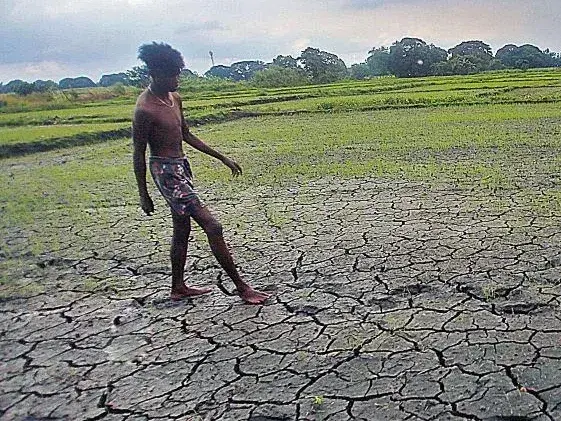
More than 161,000 people belonging to 49,344 families across eight districts have been affected by weather conditions associated with the El Niño phenomenon, according to the latest data released by the Disaster Management Centre (DMC).
The DMC said yesterday (12) that 161,451 people in 36 Divisional Secretariat Divisions (DSDs) had been affected by the prevailing conditions.
Meanwhile, authorities are continuing programmes to provide drinking water to communities affected by the dry weather.
According to the DMC, drinking water is currently being distributed to 141,312 people belonging to 43,221 families in the 36 affected DSDs.
Director General of Meteorology Ajith Wijemannage said global El Niño conditions had strengthened considerably over the past month, with sea surface temperatures in the eastern equatorial Pacific rising sharply during August.
He said the probability of the current El Niño event developing into a strong event between October and December had risen to 98%.
“Last month, we estimated a 69% probability that this El Niño would surpass all events recorded since 1950. The latest forecasts now indicate a much higher likelihood of it becoming the strongest in the past 75 years,” Wijemannage said.
He said rainfall in Sri Lanka was expected to remain relatively low over the next two weeks, but conditions would gradually intensify from late September.
Above-average rainfall is expected across the country during October and November, while a positive Indian Ocean Dipole is expected to prolong wetter conditions through December, he said.
However, Wijemannage warned that the wetter conditions could be followed by a significant decline in rainfall during January, February and March, increasing the risk of water shortages in several parts of the country.
He stressed that El Niño should not be viewed simply as a prolonged dry spell, but as a major disruption to Sri Lanka’s normal seasonal weather patterns.
RELATED NEWS
View all
Latest News
Rs. 6.7 billion in ADB capital funds for 2027
Sep 12, 2026

Latest News
TRCSL to tighten SIM registration rules
Sep 12, 2026
Latest News
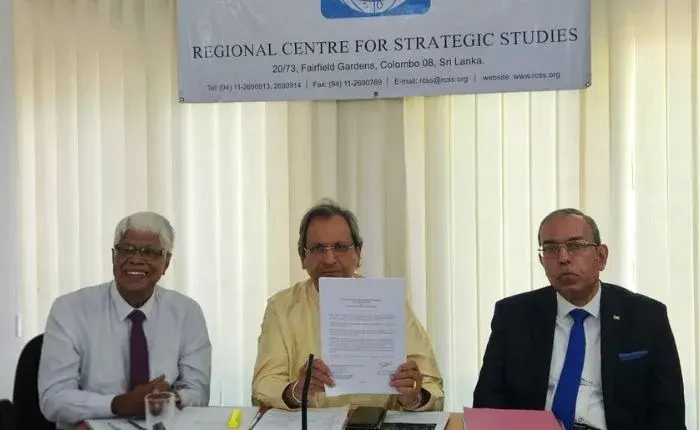
SAU, RCSS sign MOU to boost South Asian research
Sep 12, 2026

Latest News
Customs investigates suspected attempts to import cannabis seeds for cultivation
Sep 11, 2026