Current Affairs
India okays sex education in schools but Sri Lanka’s plan is stalled
P.K.Balachandran
Colombo, July 20 – In a historic development, the central Indian government told the Supreme Court on Monday (July 20) that it is ready to introduce Comprehensive Sexuality Education (CSE) in schools and colleges, following the recommendations of a 26-member national committee on sex education.
This marks a significant shift. In the past, any suggestion for sex education in Indian schools was routinely shot down by traditionalists, whether religious or secular. In Sri Lanka, periodic proposals to introduce sex education to prevent child abuse have similarly triggered strong opposition, causing initiatives to fizzle out.
Even the latest attempt, led by Prime Minister Harini Amarasuriya, has been stalled.
The Indian Case
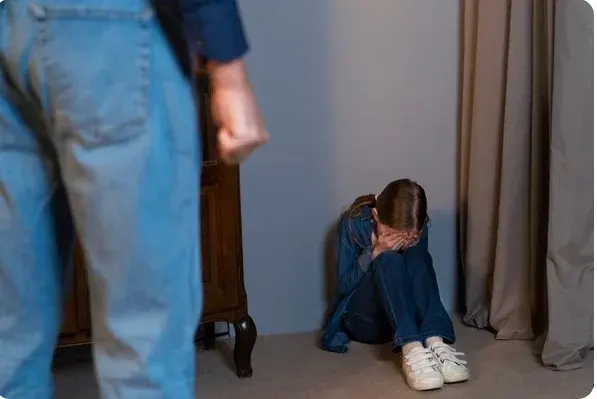
Once the Supreme Court approves the government’s recommendations, students from Class 6 onward can expect age-appropriate lessons covering safety, body image, hygiene, “good touch/bad touch,” and the concept of consent.
The push for Comprehensive Sexuality Education originated from the Supreme Court itself, arising from the disconnect between the law and teenage sexual behaviour. For adolescents, sex is a normal part of development, yet the legal age of consent is 18. Thus, sexual activity with a girl below 18 — even if consensual or initiated by her — is treated as rape.
Parents often file complaints, sometimes upon discovering pregnancy or simply due to disapproval. A three-State study by the “Enfold Proactive Health Trust”, cited by “Hindustan Times”, found that 80.2% of “romantic” cases were filed by parents or relatives after a girl had eloped or become pregnant.
One such case heard by a two-judge Supreme Court bench in 2024 involved a 14-year-old girl from West Bengal who eloped with a 25-year-old. They married and had a daughter. Her mother filed a complaint, leading to a 20-year sentence by a district court. The High Court overturned the verdict but advised girls to control their “sexual urges.”
But the public outrage that this advice triggered, prompted the Supreme Court to intervene: it upheld the conviction but refrained from imposing a sentence.
Senior advocates Madhavi Divan and Liz Mathew, serving as amici curiae, recommended a national sex education policy. This led to the formation of a committee and the proposal of a curriculum. With the central government now signalling readiness, the Supreme Court’s approval is the final step.
Case for Sex Education
Past attempts at sex education in India were patchy. In 2007, the “Adolescence Education Programme” was introduced but banned in several states. Rising crime statistics, however, underscored the urgent need to protect children.
According to the National Crime Records Bureau (NCRB), from 2020, approximately 28.9% of children had experienced some form of sexual crime, though only 65.6% of incidents were reported. One in every two children endured sexual abuse before turning 18, mostly by family members or known individuals.
The problem worsened during pandemic lockdowns: in the first 11 days, CHILDLINE received 3.07 lakh calls for help.
HIV/AIDS and Broader Context
Early Indian efforts at sex education were linked to HIV/AIDS prevention campaigns. The National AIDS Control Organisation (NACO) proceeded cautiously; its 2008 teacher manual excised explicit terms like “penetrative sex.”
The latest recommendations align with the National Education Policy 2020. Adolescent education, starting from Class 6, will cover consent, gender equality, cyber safety, and emotional well-being.
Sex Abuse Is Only One Facet
Sexuality should not be taught solely through the lens of abuse. Arti Shukla of Love Matters India emphasises viewing it positively, incorporating topics like sexual orientation, pleasure, positive body image, gender relations, and consent.
An enabling environment is essential — one where body parts can be named without shame and where teachers and parents serve as reliable resources. Silence has never protected young people. Knowledge from credible sources fosters informed choices, dispels myths, and can contribute to a more respectful, egalitarian society
Sri Lankan Case
In Sri Lanka, police data for 2024 (11 months) showed 2,937 crimes against children, including 1,526 rape cases, 596 other abuses, and 544 serious sexual abuse incidents, The Island said.
The Western Province reported the highest number (489 cases), followed by Anuradhapura (173). The Ministry of Women and Children’s Affairs noted over 15,000 child abuse cases in 2024.
Globally, survivors of child sexual abuse often face long-term challenges: difficulties forming intimate relationships, trust issues, fear of vulnerability, psychological trauma, physical health problems, substance abuse, academic and workplace struggles, and sometimes delinquent behaviour.
Conservative and religious groups in both India and Sri Lanka have mounted strong resistance to sex education. In India, backlash transcended party lines, with critics arguing it violated Indian culture. In Maharashtra, legislators from both ruling and opposition parties sought bans on teacher manuals.
Sri Lanka’s Attempt
On November 10, 2025, Prime Minister and Education Minister Harini Amarasuriya announced discussions to introduce age-appropriate sex education to curb child sexual abuse. She noted requests from the Health Ministry, Family Health Bureau, and National Child Protection Authority (NCPA) to integrate it into the curriculum.
A health module already exists for Grade 6. Amarasuriya highlighted the need for children to understand bodily changes and protect themselves. Recommendations from health and child protection bodies were under review, with plans for implementation.
The government planned to introduce sex education from Januar 2026.
Opposition from the Church
The Catholic Church and social activists strongly opposed the plan. Cardinal Malcolm Ranjith, Archbishop of Colombo, accused the government of importing “degraded values of a Western world without religion” and claimed foreign influence, including from the UNFPA, was promoting family planning and same-sex relationships. He was joined by civic groups alleging erosion of cultural and moral values.
F.E. Dias of Cultura Vitae warned against “corrupting children early,” which he said would normalise promiscuity, abortion rights, and LGBTQ inclusion.
Given the still resistance, the Sri Lankan government has postponed implementation — originally slated for January 2026 — citing the need for further consultations.
While India moves forward with a progressive framework despite opposition, Sri Lanka’s efforts remain stalled by traditional resistance. Both nations grapple with rising child abuse, yet the path to equipping young people with essential knowledge continues to face cultural and religious hurdles.
Effective, age-appropriate education holds the potential to reduce harm and foster healthier societies, but bridging the gap between need and acceptance remains challenging.
END
RELATED NEWS
View all

Current Affairs
Sri Lankan Presidential pardons- the good and the bad
Sep 11, 2026
Current Affairs
The pros and cons of joining BRICS- the dilemma of Pakistan and Bangladesh
Sep 09, 2026
Current Affairs
Disaster in Nepal gets embroiled in geopolitics.
Sep 08, 2026
Current Affairs
Why Mecca Pact, and what does it imply for its members, Israel and India?
Aug 18, 2026