Current Affairs
Nepal’s Prime Minister walks the tightrope between India and China
By P.K.Balachandran
Colombo, August 14 –
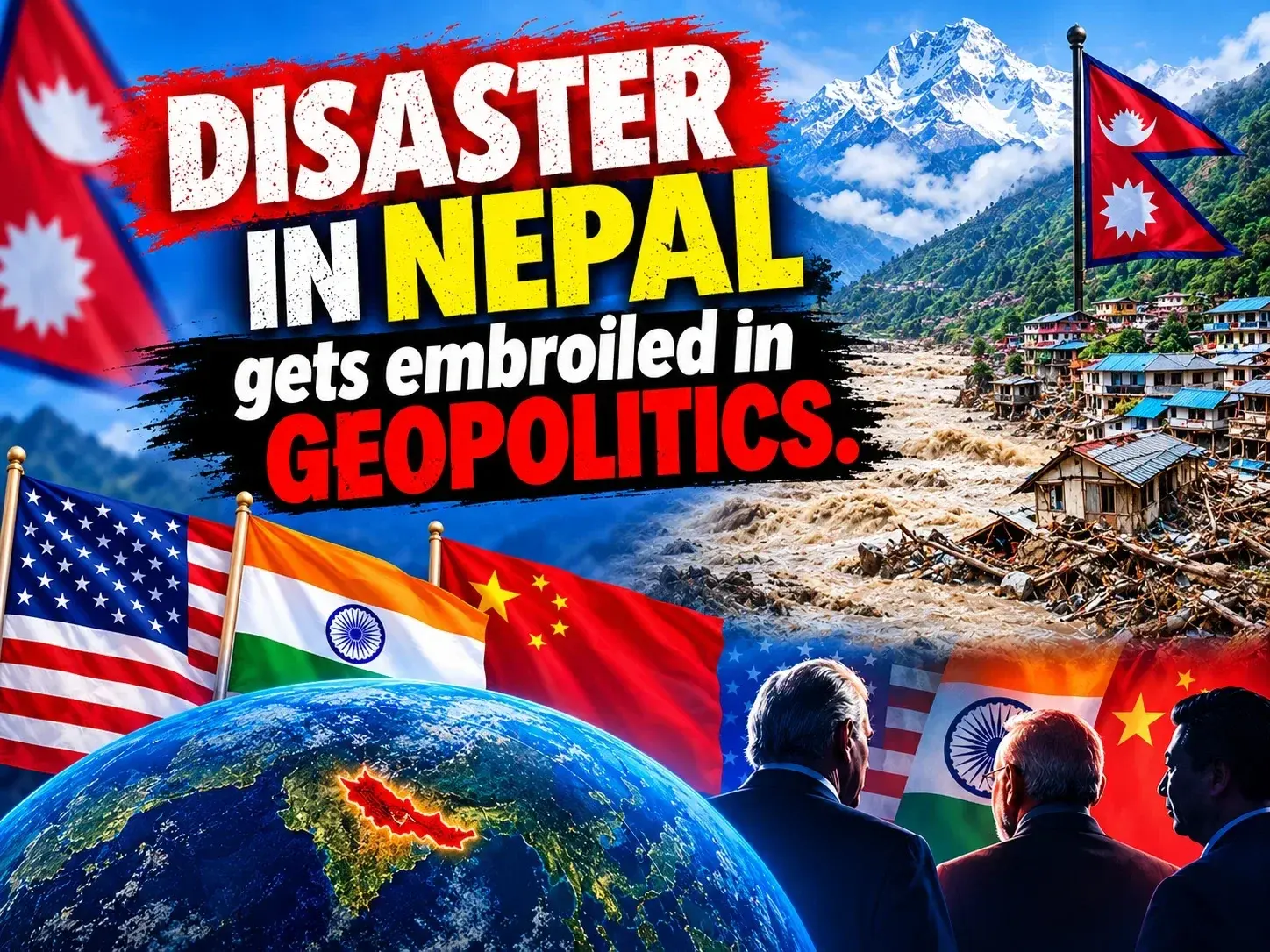
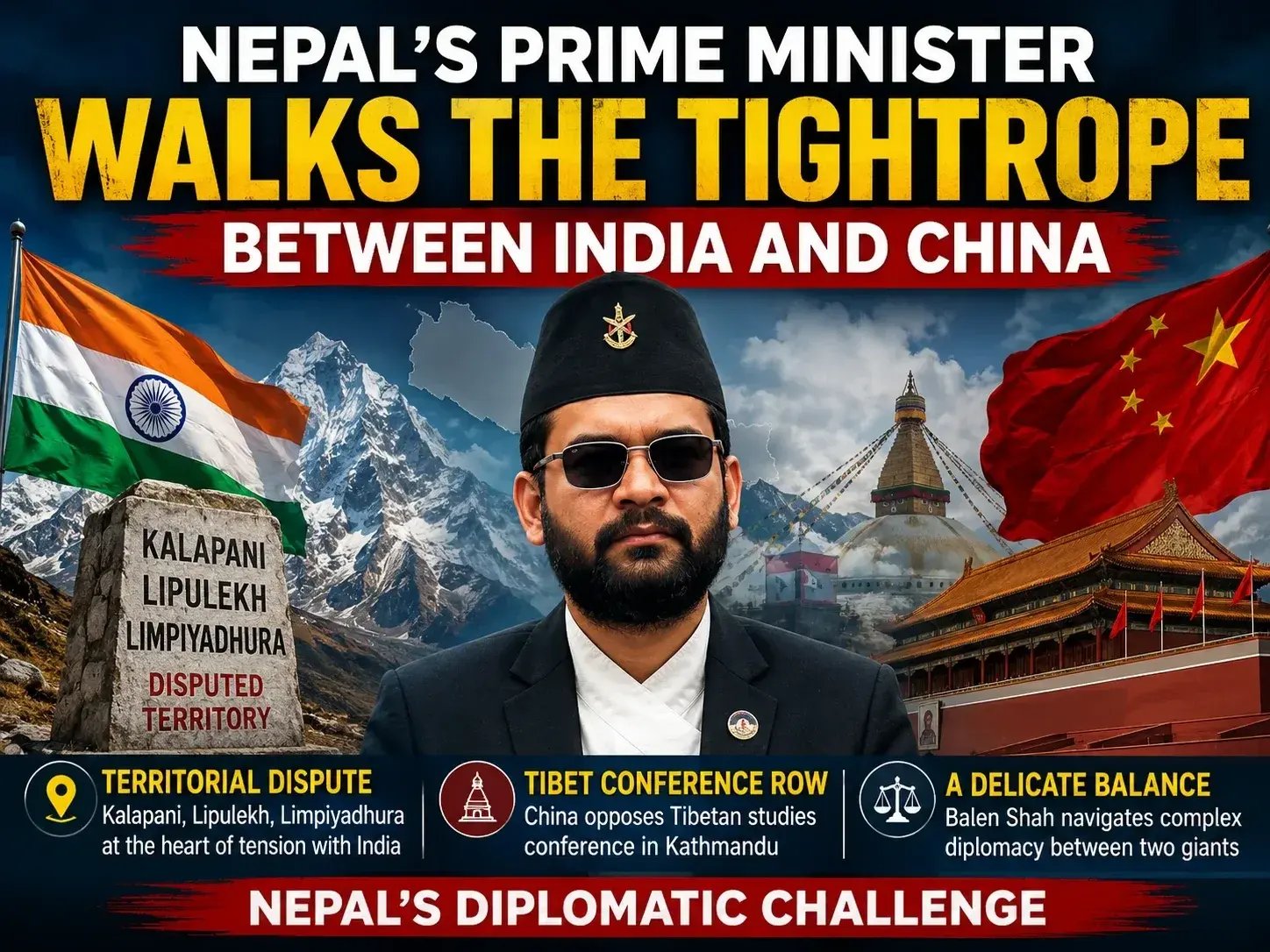
Nepal’s new government headed by Balen Shah, is having to walk the tightrope between India and China. With India, Shah’s problem is territorial, with both Nepal and India claiming ownership of Kalapani, Lipulekh, Limpiyadhura. With China, the conflict is over an international conference on Tibetan studies to be held in Kathmandu this month.
While China sees the conclave, though academic, as a challenge to its sovereignty over Tibet, the Nepalese argue that it is non-political, being only about Tibetan culture and Tibetan Buddhism.
Conflict with India
The Kalapani-Lipulekh-Limpiyadhura area spans roughly 335 to 370 sq.km marking the intersection of Nepal’s far west, India’s Uttarakhand state, and the Tibet Autonomous Region of China. The area is a gateway for military and trade routes between India and China. It is also a key Hindu pilgrimage trail to Mount Kailash and Lake Mansarovar in Tibet.
India is claiming Kalapani, Lipulekh and Limpiyadhura as per the 1815 Treaty of Sugauli between the then British Indian government and the Kingdom of Nepal. But there has been a dispute over where the river Kali or Mahakali originates for fixing the border.
Sometime ago, the Nepalese government released a new map of Nepal showing all the above mentioned places as being part of Nepal. India objected. Later, India and China agreed to allow traders and Hindu pilgrims to use the Lipulekh pass to go to Manasarovar in Tibet. Nepal objected to that. China, which was keen on trading with India sided with India on this issue to the discomfiture of Nepal.
In May, the Indian Foreign Secretary, Vikram Misri, sought an appointment with Prime Minister Balen Shah, but Balen Shah wanted to meet only Foreign Ministers, according to The Kathmandu Post. Thereupon, Misri cancelled his trip.
Shah has been refraining from meeting any foreign officials or leaders below the rank of foreign minister. Ignoring the Americans’ request, he earlier refused to meet US Assistant Secretary of State Samir Paul Kapur and US President Donald Trump’s special envoy for South and Central Asia, Sergio Gor—who is also the US ambassador to India. He decided to maintain the same policy during Misri’s visit. According to foreign ministry officials, Shah has not heeded the requests of Finance Minister Swarnim Wagle and Foreign Minister Khanal to meet senior officials from India, China and the US.
Despite with China
Now there has arisen a new dispute between Nepal and China. A conference on Tibetan studies scheduled later this month in Kathmandu was called off at the request of the government of Nepal, which, however, did not make any official statement in that regard.
The cancellation of the scholarly conference, in which around 700 participants were expected, including scholars from China, has now stoked a debate over whether the Nepal government acquiesced to pressure from Beijing, which in recent years has steadily expanded its influence in Kathmandu.
According to The Hindu, questions have also arisen over whether Kathmandu became overtly cautious and asked for the event to be cancelled — on its own volition — so as not to offend Beijing.
The International Association for Tibetan Studies (IATS), the organiser, described the cancellation as unexpected and called the development an unwarranted interference in a purely academic event, The Hindu added.
The Himalaya Centre for Asian Studies at Kathmandu University, the Nepali convener of the conference, has said that the event had to be called off on the government’s instructions. The conference was scheduled for August 23-29 in Kathmandu.
An official at the Nepalese Ministry of Foreign Affairs said Chinese Ambassador to Nepal Zhang Maoming, in a meeting with Foreign Secretary Amrit Bahadur Rai in the third week of July, had “discussed” the event. The Nepalese Foreign Ministry had informally asked the Chinese envoy whether Beijing had any specific concerns about the conference. The official did not say China asked Nepal to cancel the event. But weeks later, the event was called off.
The Hindu quotes Dr. Rupak Sapkota as saying that the cancellation has to do with Chinese concerns, which he believes were serious. “Nepal came under pressure, ” he said.
China’s longstanding apprehensions about Tibet are well known, and Nepal has historically sought to prevent its territory from being exploited for anti-China political activities. Nepal is home to roughly 12,000 Tibetan refugees. There have been several protests by Tibetan refugees living in Nepal, and police in the past have been used to quell them. Nepal has maintained that it will not allow any protests, rallies or activities on its soil against friendly nations, and such events by Tibetan refugees are always under close watch of Nepali security agencies.
That sensitivity has also been visible around public events involving the Dalai Lama. While his birthday celebration is a routine event in Nepal, it is usually limited to monasteries and schools. But a recent celebration became a topic of discussion, with at least seven former Nepali ambassadors to China objecting to the open participation of some Western diplomats. Since the Dalai Lama is both a spiritual and political leader, any event related to Tibet is seen by Beijing as political.
Sandwiched between India and China, Nepal’s geopolitical balancing has remained a challenge for every government.
END
By P.K.Balachandran
Colombo, August 14 – Nepal’s new government headed by Balen Shah, is having to walk the tightrope between India and China. With India, Shah’s problem is territorial, with both Nepal and India claiming ownership of Kalapani, Lipulekh, Limpiyadhura. With China, the conflict is over an international conference on Tibetan studies to be held in Kathmandu this month.
While China sees the conclave, though academic, as a challenge to its sovereignty over Tibet, the Nepalese argue that it is non-political, being only about Tibetan culture and Tibetan Buddhism.
Conflict with India
The Kalapani-Lipulekh-Limpiyadhura area spans roughly 335 to 370 sq.km marking the intersection of Nepal’s far west, India’s Uttarakhand state, and the Tibet Autonomous Region of China. The area is a gateway for military and trade routes between India and China. It is also a key Hindu pilgrimage trail to Mount Kailash and Lake Mansarovar in Tibet.
India is claiming Kalapani, Lipulekh and Limpiyadhura as per the 1815 Treaty of Sugauli between the then British Indian government and the Kingdom of Nepal. But there has been a dispute over where the river Kali or Mahakali originates for fixing the border.
Sometime ago, the Nepalese government released a new map of Nepal showing all the above mentioned places as being part of Nepal. India objected. Later, India and China agreed to allow traders and Hindu pilgrims to use the Lipulekh pass to go to Manasarovar in Tibet. Nepal objected to that. China, which was keen on trading with India sided with India on this issue to the discomfiture of Nepal.
In May, the Indian Foreign Secretary, Vikram Misri, sought an appointment with Prime Minister Balen Shah, but Balen Shah wanted to meet only Foreign Ministers, according to The Kathmandu Post. Thereupon, Misri cancelled his trip.
Shah has been refraining from meeting any foreign officials or leaders below the rank of foreign minister. Ignoring the Americans’ request, he earlier refused to meet US Assistant Secretary of State Samir Paul Kapur and US President Donald Trump’s special envoy for South and Central Asia, Sergio Gor—who is also the US ambassador to India. He decided to maintain the same policy during Misri’s visit. According to foreign ministry officials, Shah has not heeded the requests of Finance Minister Swarnim Wagle and Foreign Minister Khanal to meet senior officials from India, China and the US.
Despite with China
Now there has arisen a new dispute between Nepal and China. A conference on Tibetan studies scheduled later this month in Kathmandu was called off at the request of the government of Nepal, which, however, did not make any official statement in that regard.
The cancellation of the scholarly conference, in which around 700 participants were expected, including scholars from China, has now stoked a debate over whether the Nepal government acquiesced to pressure from Beijing, which in recent years has steadily expanded its influence in Kathmandu.
According to The Hindu, questions have also arisen over whether Kathmandu became overtly cautious and asked for the event to be cancelled — on its own volition — so as not to offend Beijing.
The International Association for Tibetan Studies (IATS), the organiser, described the cancellation as unexpected and called the development an unwarranted interference in a purely academic event, The Hindu added.
The Himalaya Centre for Asian Studies at Kathmandu University, the Nepali convener of the conference, has said that the event had to be called off on the government’s instructions. The conference was scheduled for August 23-29 in Kathmandu.
An official at the Nepalese Ministry of Foreign Affairs said Chinese Ambassador to Nepal Zhang Maoming, in a meeting with Foreign Secretary Amrit Bahadur Rai in the third week of July, had “discussed” the event. The Nepalese Foreign Ministry had informally asked the Chinese envoy whether Beijing had any specific concerns about the conference. The official did not say China asked Nepal to cancel the event. But weeks later, the event was called off.
The Hindu quotes Dr. Rupak Sapkota as saying that the cancellation has to do with Chinese concerns, which he believes were serious. “Nepal came under pressure, ” he said.
China’s longstanding apprehensions about Tibet are well known, and Nepal has historically sought to prevent its territory from being exploited for anti-China political activities. Nepal is home to roughly 12,000 Tibetan refugees. There have been several protests by Tibetan refugees living in Nepal, and police in the past have been used to quell them. Nepal has maintained that it will not allow any protests, rallies or activities on its soil against friendly nations, and such events by Tibetan refugees are always under close watch of Nepali security agencies.
That sensitivity has also been visible around public events involving the Dalai Lama. While his birthday celebration is a routine event in Nepal, it is usually limited to monasteries and schools. But a recent celebration became a topic of discussion, with at least seven former Nepali ambassadors to China objecting to the open participation of some Western diplomats. Since the Dalai Lama is both a spiritual and political leader, any event related to Tibet is seen by Beijing as political.
Sandwiched between India and China, Nepal’s geopolitical balancing has remained a challenge for every government.
END
Share this story
RELATED NEWS
View all

Current Affairs
UNHRC Special Rapporteurs write to Sri Lankan President their concerns about the NGOs’ bill
Oct 02, 2026
Current Affairs
Denial of the right to vote is not new in India
Oct 01, 2026
Current Affairs
The 1948 UNSC resolution on Kashmir was in India’s favour
Sep 25, 2026

Current Affairs
Sri Lankan Presidential pardons- the good and the bad
Sep 11, 2026