Latest News
The Supreme Court holds that the Bureau of Rehabilitation is inconsistent with the constitution
October 20, 2022
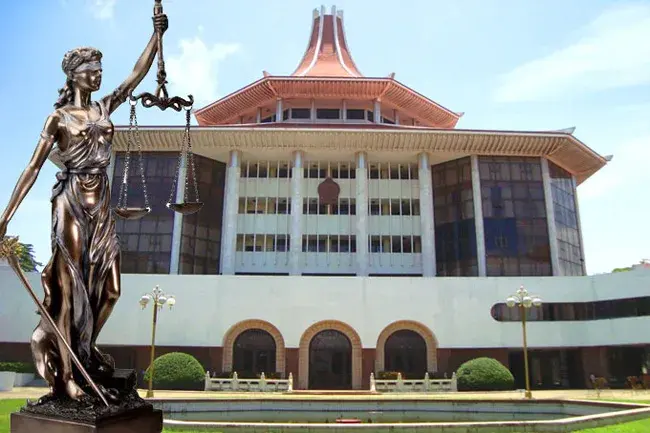
The Supreme Court has determined that the proposed Bureau of Rehabilitation Bill as a whole is inconsistent with Article 12(1) of the Constitution.
The Supreme Court announced that the bill can be enacted only by the special majority required by Article 84(2) of the constitution. However, the Supreme Court observed that this inconsistency could cease if all references to "ex-combotonts," "violent extreme groups" and "ony other
"a group of persons" is deleted from the Bill. The Supreme Court further held that the Bill is limited to the rehabilitation of drug-dependent persons and such other persons as may be identified by law.
The Supreme Court has conveyed its determination to the Speaker of Parliament in respect of eight special determination petitions filed by various parties, including main opposition Samagi Jana Balawegaya (SJB), former Commissioner of the Human Rights Commission of Sri Lanka (HRCSL) Ambika Satkunanathan, Attorney-at-law Amila Suyama Egodamahawatta, Former Commissioner of the Human Rights Commission of Sri Lanka (HRCSL) Ambika Satkunanathan and the Young Journalists' Association.
The three-judge Supreme Court bench, which included Justices Gamini Amarasekara, Mahinda Samayawardena, and Arjuna Obeysekera, ruled that clauses 3, 4, (a), 4 (b), 5 (b), 23, 24, 25(2), 27, 28(l), 34, 35, and 37 (the definition of "contract") were unconstitutional.
"Rehabilitation" of the Bill is inconsistent with Article 12(1) of the Constitution and
As such, it may be enacted only by the special majority required by Article 84(2) of the constitution.
The petitioners alleged that the bill titled "Bureau of Rehabilitation" has been brought with the ulterior motive of further harassing Aragalaya protestors as this bureau is vested with powers to send people to rehabilitation without a judicial order.
The petitioners further raised concern against the militarization of the rehabilitation process by way of Section 17 of the Bill, which allows the President to designate any member of the armed forces to discharge the powers, duties, and functions under the Act.
RELATED NEWS
View all
Latest News
Sri Lanka adds more than 1,500 MW of solar capacity in two years
Sep 27, 2026
Latest News
When red meets saffron: JVP-BJP rendezvous
Sep 27, 2026

Latest News
Lanka among world’s 10 fastest-improving tourism economies
Sep 27, 2026
Latest News
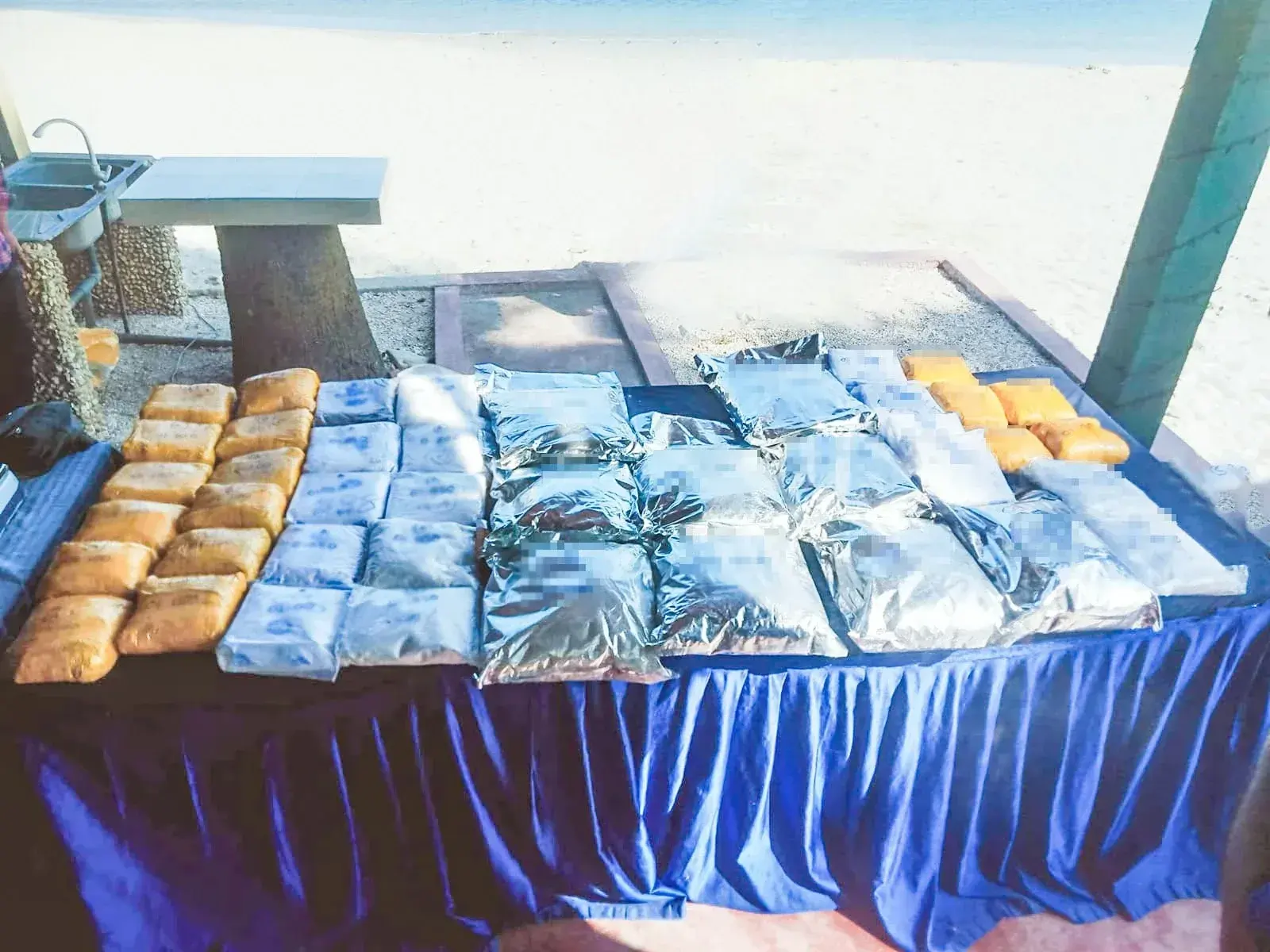
Navy seizes Rs. 1.5 billion drug haul off northern coast
Sep 27, 2026