Mirror Wall
Ditwah: The politics of a cyclone
By kassapa
Sri Lankans were left shell-shocked late last week as Cyclone Ditwah battered the country as a cyclone had never before, inundating parts of all twenty-five districts, taking the lives of over 450 persons and rendering almost half a million people homeless.
In terms of sheer impact, this is undoubtedly the greatest natural disaster Sri Lanka has faced. The 1978 cyclone cost more lives but the damage it caused was largely confined to the East coast. The 2004 Tsunami cost about 35,000 lives but was short-lived and the infrastructure damage was again limited to the coastal regions in the South West and East.
Theories about Ditwah abound. The opposition claims that the government ignored warnings. This is based on predictions made publicly. The government claims there were no formal warnings, only hypothetical forecasts which could not be acted on. It also queried why the opposition did not raise the alarm if it realised that these public warnings were credible.
It is a moot point as to who is correct. It is very likely that the truth lies somewhere in between. The government, even if it was at fault for not recognising the signs of the disaster beforehand, deserves credit for launching an unparallelled relief effort, spearheaded by President Anura Kumara Dissanayake himself, despite some of his ministers acting as court jesters, as usual. The opposition on the other hand, stands accused of trying to gain political advantage from the disaster.
There are a few factors for which allowances must be made. The distinguishing factor of Cyclone Ditwah is that it has encroached into every corner of the country. This makes focused, targeted disaster relief next to impossible because of competing demands from different regions. Therefore, the scale of the relief operation needs to be humongous. It follows that, even if the government had made adequate preparations, they wouldn’t have been able to cope with the sheer magnitude of the crisis although arguably, less lives would have been lost if prior warnings were provided.
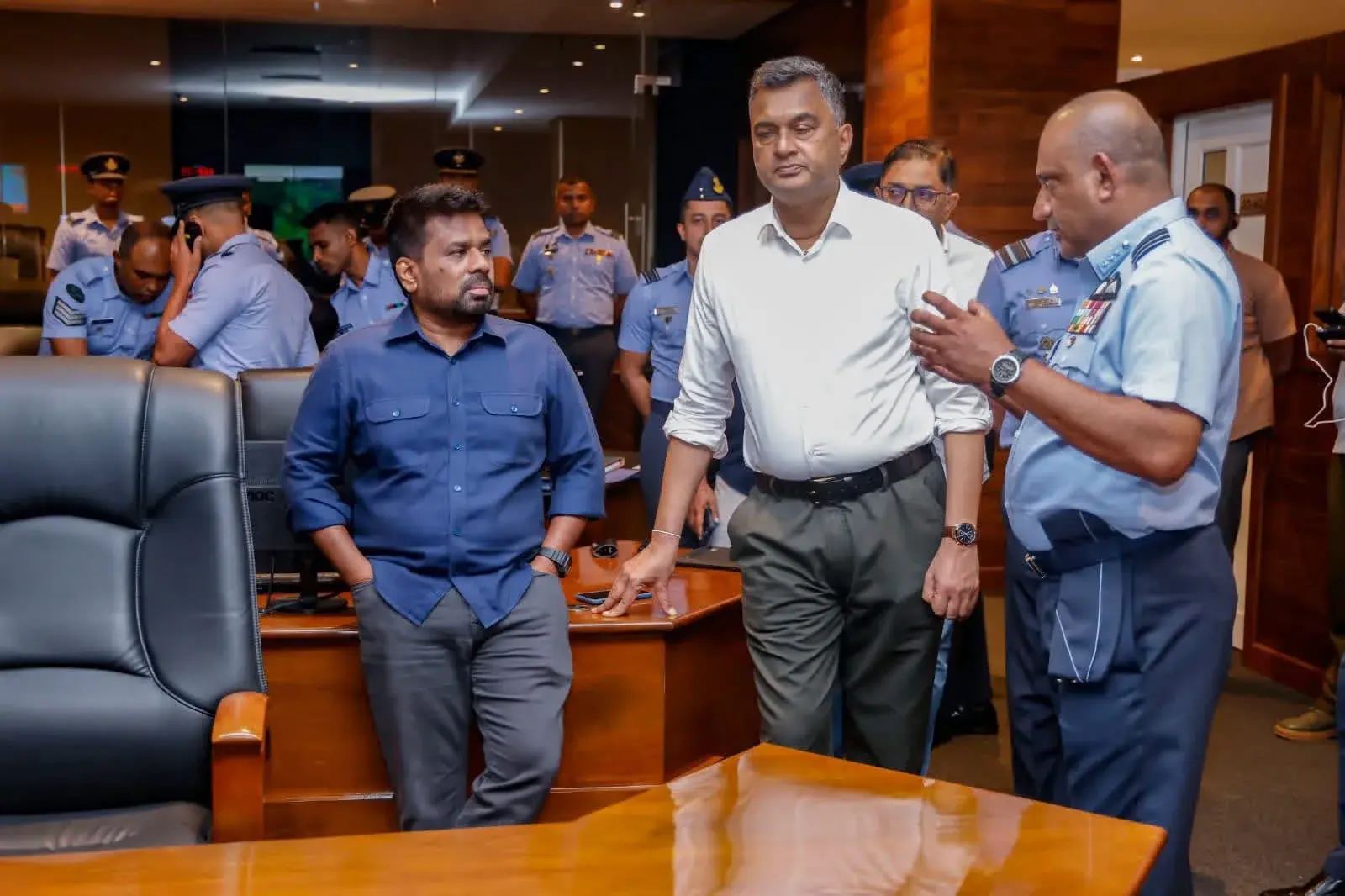
That said, the government has tackled the twin challenges of rescue and relief head on. Insiders say Dissanayake himself spent some sleepless nights personally monitoring the relief effort. With a few exceptions, most of his ministers have risen to the occasion. Thankfully, the fiscal discipline maintained by his government has allowed these efforts to continue, free from cost constraints. The group of persons tasked with monitoring the finances of the relief operation reads like a ‘who’s who’ of the country’s corporate sector.
Dissanayake is clearly cognisant of the political significance of these events: a poor rescue effort could cost him the goodwill that he still enjoys in good measure. Insiders say he is also genuinely moved by the disaster and wants to make a difference. That is why he made a plea when he met political party leaders- and also when he addressed the nation- to cast politics aside and leave it for later but to unite in the rescue effort.
That message has fallen on deaf ears. Each political party is playing the blame game, trying to discredit the government, while also engaging in miniscule relief efforts of their own with cameras in tow, so they can score brownie points with the electorate. The opposition, working together, walked out of an abridged debate in Parliament saying time allocated wasn’t sufficient when the government maintained that the priority for parliamentarians should be to return to their electorates and co-ordinate local relief efforts.
Each opposition politician is trying to outdo the other in discrediting the government. United National Party (UNP) leader and former President Ranil Wickremesinghe is acting as if he is still President. He convened a meeting of political parties and demanded that the government does the same- when Dissanayake had already met with leaders of political parties in Parliament. Previously, Wickremesinghe claimed that the government’s failure to activate the National Disaster Management Plan ‘on November 28 instead of November 27’ and taking time to declare Emergency Regulations was a violation of the Constitution and was ‘actionable before the Supreme Court’.
Wickremesinghe’s rival, Samagi Jana Balavegaya (SJB) and Leader of the Opposition Sajith Premadasa called on the government to cancel the agreement with the International Monetary Fund, renegotiate tariffs with United States President Donald Trump and to present another Budget. If Premadasa believes these are within the realms of possibility, he must be living in a parallel universe. This is while SJB stalwarts such as Lakshman Kiriella who claimed to have retired from politics were publicly accusing the government of negligence.
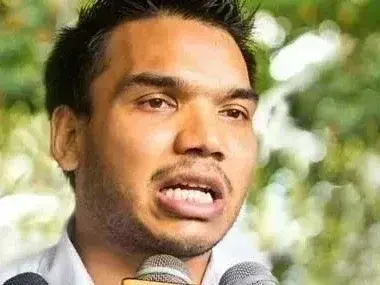
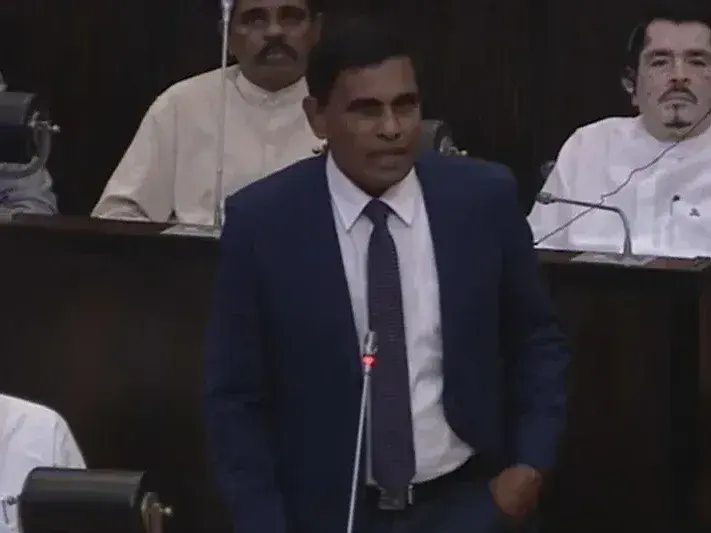
Sri Lanka Podujana Peramuna Leader Namal Rajapaksa, though less creative, called for a Parliamentary Select Committee to probe the forecasts leading up to the natural disaster. Meanwhile, his army of social media activists were busy blaming the government, some going to the extent of propagating false news reports of more impending disasters. On the same issue, one of the government’s resident clowns, Deputy Minister Sunil Watagala sees prosecuting those publishing such reports as a high priority at this time, disregarding Dissanayake’s promise that Emergency Regulations will not be used to harass people.
We saw the opposition’s Dr. Harsha de Silva walking alongside Deputy Minister Chathuranga Abeysinghe while doing relief work in Kotte but such sights were few and far between. It is abundantly clear that right now, from an opposition perspective, the name of the game is not to rescue people, provide relief or rebuild the country. Despite government officials working around the clock, calls from Dissanayake for a collective relief effort and to ‘leave politics for later’ and volunteers spending time and money of their own, the opposition see Cyclone Ditwah as a political opportunity.
This is a gamble the opposition is taking: if the public see through this opposition ploy and if the government’s relief measures restore a semblance of normalcy despite the brickbats hurled by the opposition, the strategy could backfire on the opposition and cost it dearly.
As for the government it does have questions of accountability to answer. Specifically, it needs to address the issue of whether it missed or ignored any credible warnings of a natural disaster and if so, who was responsible. This is also this government’s acid test on competence - where it can either address the opposition’s claims of being inefficient and incompetent, or come out with flying colours, directing a relief effort that drags the country out of this watery predicament it faces right now. Cyclone Ditwah will have its political consequences, that much is certain.