Mirror Wall
That Saffron Letter
By Kassapa,
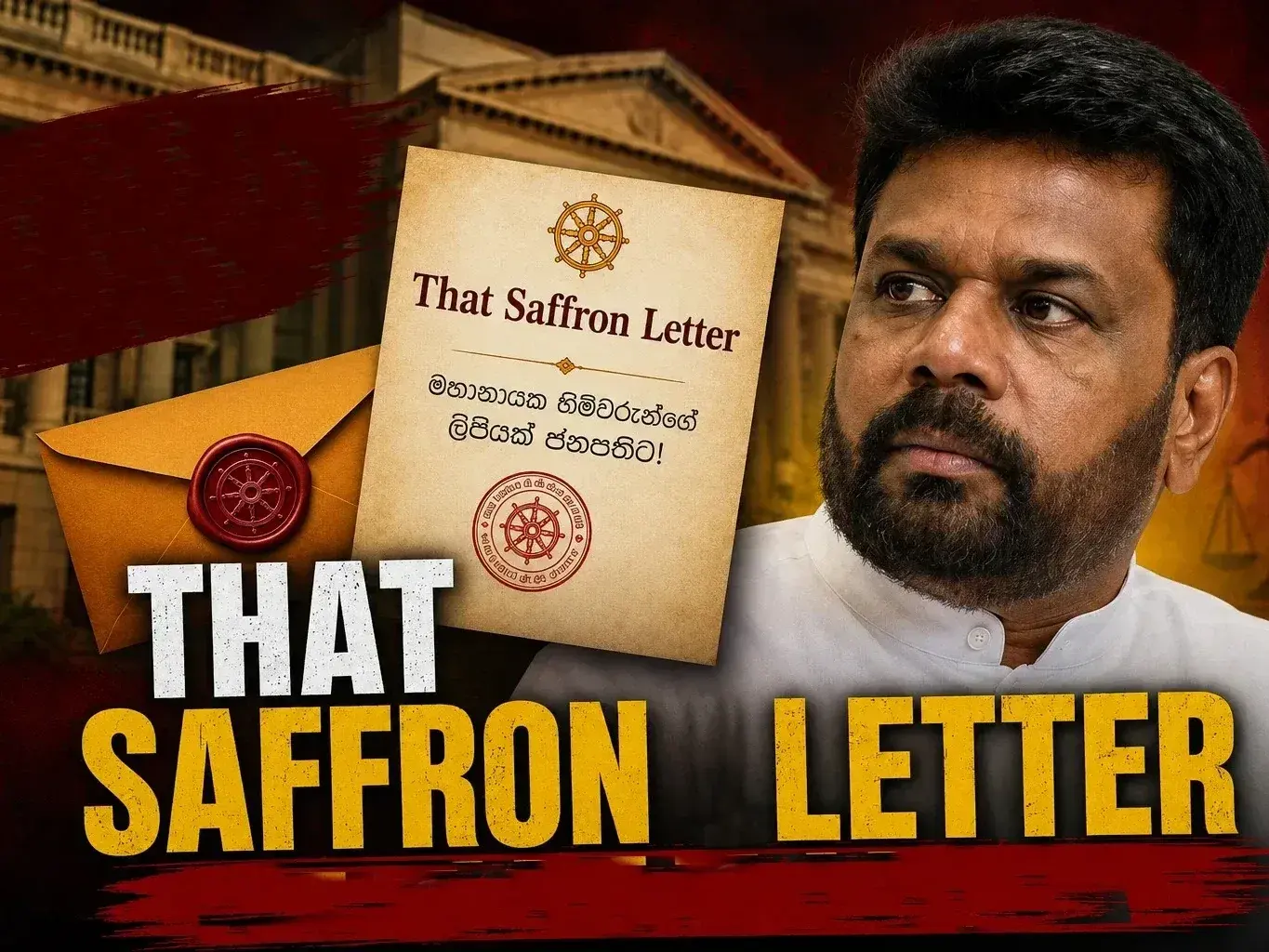
A week ago, the hot topic of discussion in the corridors of power and outside was the proposed Constitutional amendment to increase the retirement age of judges, even though the exact nature of those amendments was not known. Now, the amendments have been gazetted for all to see but the discussion has shifted to a different issue: a letter supposedly sent by the Mahanayake theros to President Anura Kumara Dissanayake.
How did an important discussion on judicial reform and constitutional change end up with religious leaders? It was long believed that Kings used to solicit advice from the Maha Sangha but in this day and age, is that concept still valid? Even more importantly, are interested parties using the Maha Sangha to further their political agendas? At least at first glance, it appears so.
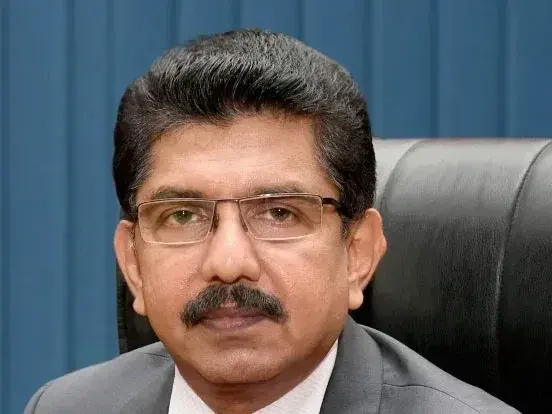
The Mahanayake theros entered the discussion on constitutional reforms not because they wanted to. It happened when Bar Association of Sri Lanka (BASL) President Rajeev Amarasuriya visited them to discuss the amendments. Used to being visited by political leaders from time to time, they granted an audience to Amarasuriya.
Why the BASL, the professional body representing the legal community sought “legal advice” from Buddhist monks is best known to them. BASL sources say it stemmed from the fact that the incumbent government had previously withdrawn proposed educational reforms after the Mahanayake theros protested against them. The BASL hierarchy thought that the government might do so again, if they could convince the Mahanayake theros to write to the President expressing their strong objection to the amendments.
On paper, it was a smart tactic. However, being no politician, Amarasuriya blundered when implementing it. Emerging from the meeting with the Mahanayake theros and seemingly elated by his own efforts he boasted to the media that Mahanayake theros had already written to the President expressing their opposition. Therefore, the government had no moral right to proceed with the amendments, he said.
Indeed, there was such a letter. However, it is unbecoming of a person of the stature of a BASL President to discuss the correspondence between religious leaders and the President, sent in confidence. Buoyed by his own high profile in the media in recent weeks, Amarasuriya had blatantly overstepped his mark.
Amarasuriya’s comments evoked two responses. Firstly, everyone shifted attention from the real debate about the constitutional amendments to trying to find out what the letter to the President said. Secondly, this prompted the government to go into damage control mode, which it did very successfully.
The government dispatched ministers Nalinda Jayatissa and Harshana Nanayakkara to meet with the Mahanayake theros. They emerged from the discussion beaming with smiles and told the media that they were able to provide the Mahanayake theros, the context in which judicial reforms were being enacted. Whatever selective information that was offered by Amarasuriya to the Mahanayake theros appeared to have been neutralised.
Nevertheless, questions about the letter sent to the President by the Mahanayake theros continued- until Samagi Jana Balavegaya (SJB) parliamentarian Sujeeva Senasinghe produced a copy of it at a media briefing on Wednesday. The letter does categorically request the President to abort the constitutional amendments, but it was written was before his ministers met them.
The entire exercise has left no winners, only losers. It also exposed the futility of seeking the advice of religious leaders on what is a highly sophisticated legal matter. In hindsight, any briefing the government did, should have been undertaken earlier. One recalls that when a leading Buddhist monk was recently detained on charges of sexually assaulting an underage girl, officials briefed the Mahanayake theros before the monk was taken into custody. The same degree of caution was not exercised now. Indeed, the government was criticised for doing so then but at the time, it was not soliciting the monks’ advice, it was merely informing them.
Amarasuriya meanwhile has been revealed to be an opportunistic leader who has no respect for etiquette or decorum and one questions his capacity to handle matters of national importance. His suitability to head the BASL does need to be queried- and it has, by one of his own Executive Committee members who asked why the BASL remained silent when opposition politicians queued up to lambast the current Chief Justice under the cover of parliamentary privileges. Indeed, that silence is deafening.
The opposition, of course, do what they do best, trying to oppose anything and everything the government does. This time, they have an added incentive to do so because they know that if the current Judicial Services Commission headed by the incumbent Chief Justice continues in office, many of their stalwarts could end up behind bars.
As for the Mahanayake theros, they find themselves in the middle of a controversy of which they know little about and can do even less. By now, the truth must have dawned on them that they have been used as pawns in a bigger political game. It does not reflect well on them at all. The biggest mistake they made was firing off a letter to the President without hearing what the government had to say about the issue.
This is not the first time religion has been dragged into Sri Lankan politics and it will not be the last. Politics based on religion and ethnicity was totally rejected by voters at the national elections in 2024.Yet, opposition political parties keep running to the Mahanayake theros or the Cardinal in the hope that they will offer some boost to their flagging fortunes. Sadly, even hitherto esteemed professional organisations such as the BASL are doing the same.
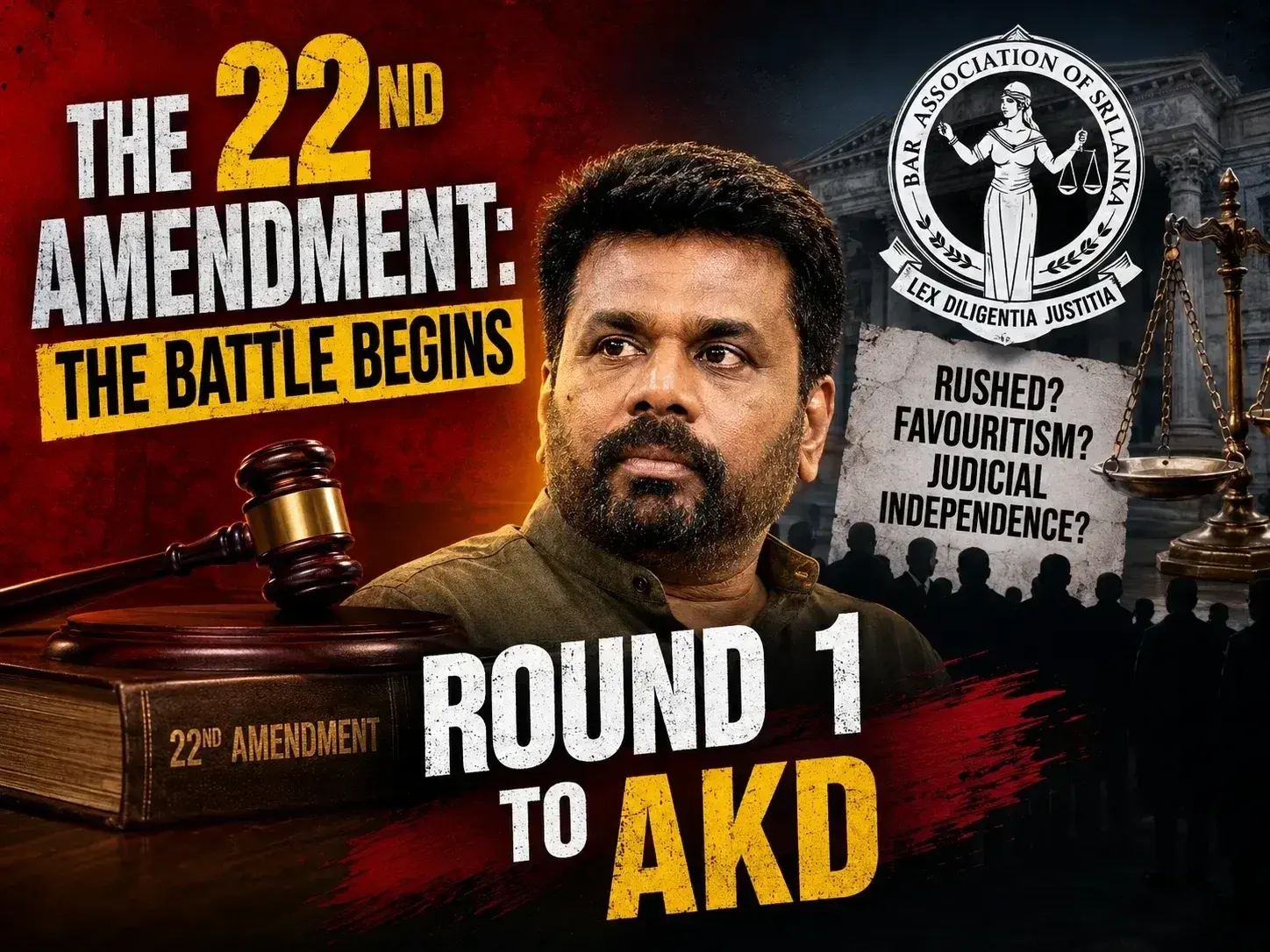
If anything, the net effect of all this is that it has made the President and the government even more determined to push the proposed 22nd Amendment to the Constitution through. They have the ability to do so, the only potential but highly unlikely stumbling block being a decision by the Supreme Court that a referendum is required.
Mixing politics and religion can have some undesirable consequences as S.W. R. D. Bandaranaike found out, fatally. Now, it might be the opposition’s (and the BASL’s) turn to experience a disastrous outcome.