Mirror Wall, Cover Story
The ‘Sihina Kumaraya’ or ‘Prince of Dreams’
By Kassapa
It is the week after the much awaited ‘Maha Jana Handa’ or the ‘Great Voice of the People’ rally in Nugegoda organised by the so-called ‘joint’ opposition, albeit sans the major opposition party in the country, the Samagi Jana Balavegaya (SJB). The meeting was indeed politically significant- and for more than one reason because there were clear winners and losers as a result of the gathering.
The biggest loser was the Grand Old Party, the United National Party (UNP). It was the UNP, in the aftermath of its leader Ranil Wickremesinghe’s recent arrest, which mooted a joint opposition show of strength. It was intended to shore up its base vote and enhance the prospects of aligning with the SJB. Rather than achieve these objectives, it may have taken a step closer to political oblivion.
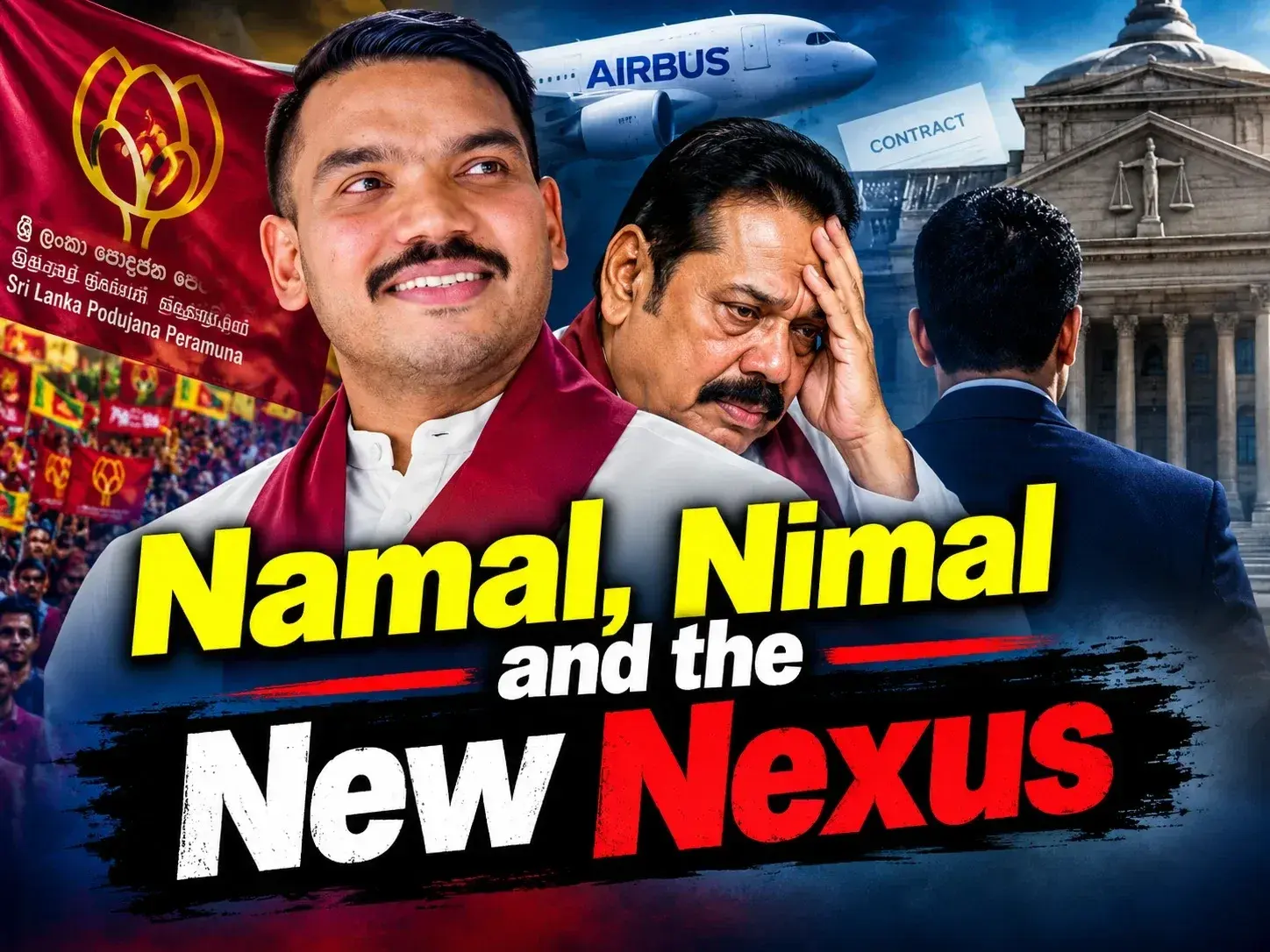
Prior to the meeting there was consensus among the organisers of the main parties- the UNP, the Sri Lanka Podujana Peramuna (SLPP), the Sri Lanka Freedom Party (SLFP)- as well as the Pivithuru Hela Urumaya (PHU) that the rally will not be used to promote any single party but focus on opposing the government, holding it responsible for breaking the many promises it made at the last election. That consensus held- until the advent of Namal Rajapaksa.
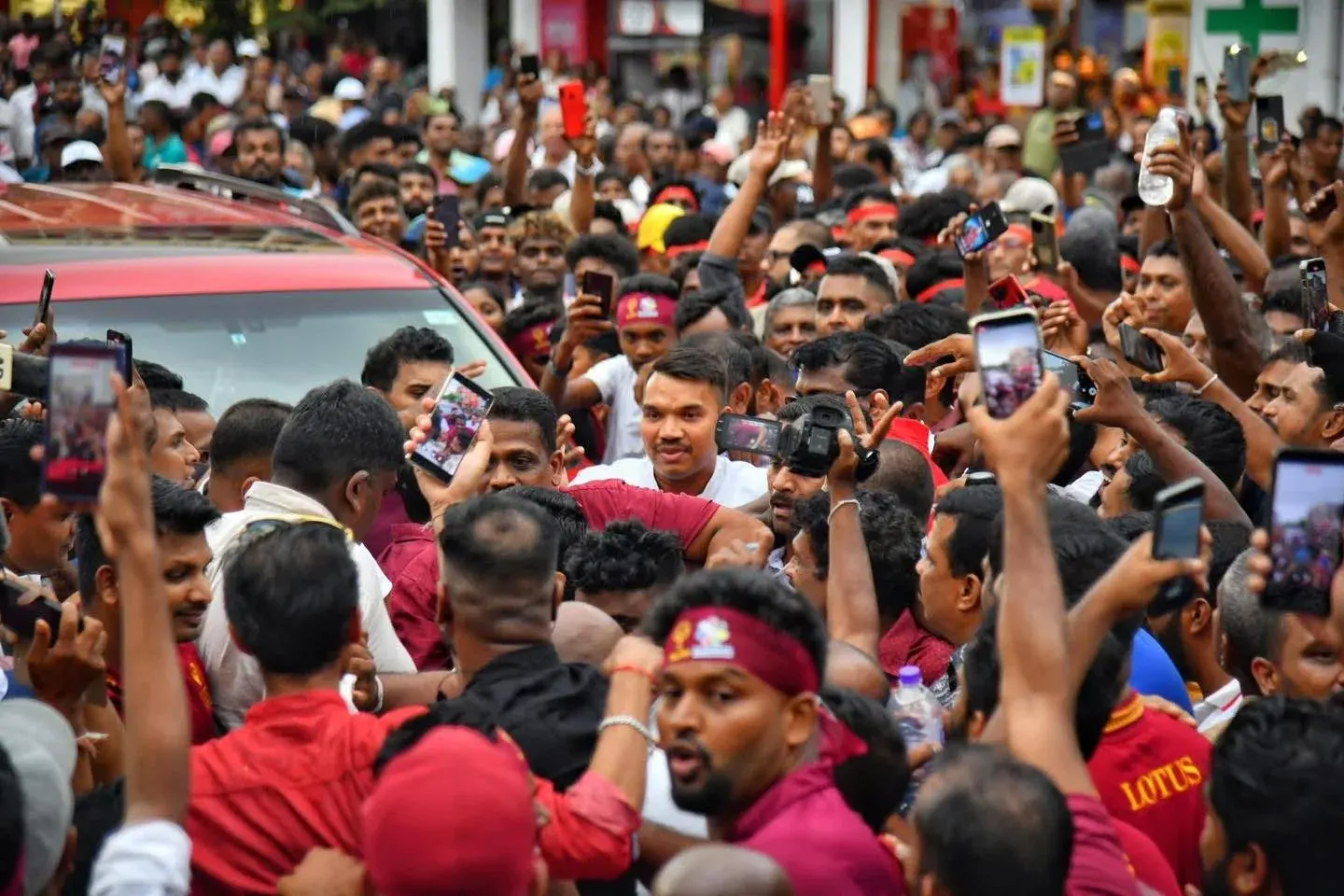
Prior to that, speaker after speaker had admonished the government but stopped of saying ‘vote for us’. Speakers were given a general introduction and not hailed as heroes or saviours. All that changed with young Rajapaksa. He was mobbed on to the stage- although that looked very artificial. He was introduced as the ‘the hope of future Sri Lanka’. Even when he spoke, he was surrounded by a group of supporters. The event was being craftily stage-managed, much to the embarrassment of those seated in the front row below.
In that front row was Thalatha Atukorale, General Secretary of the UNP. When she arrived, she had to spend a few agonising minutes standing- there was no front row seat allocated to her! That was the degree of step-motherly treatment meted out to the UNP at a rally which was first proposed by the UNP!
The worst culprit was the UNP’s own Harin Fernando. Tasked with delivering a speech on behalf of his party, he tried his best to quote a poem and botched its lines. Then, he told an incredulous audience that he had a message from his leader Ranil Wickremesinghe but would not be reading it because of the lack of time. The message, later revealed in the media, would have taken all of a minute or two at the most to read. Then, Fernando delivered his punchline, calling Namal Rajapaksa the ‘Sihina Kumaraya’ or ‘Prince of Dreams’. It was as if Fernando was deliberately undermining the UNP.
If the big loser was the UNP, was the big winner the SLPP? One wouldn’t think so. It employed a second level string of speakers probably because it makes Rajapaksa stand out but their speeches lacked substance, containing only high-decibel rhetoric, making it sound as if one was listening to a school debating competition. Rajapaksa himself delivered a short speech which was average but lacked that particular panache and punch that his father was famous for.
Overall though, Namal Rajapaksa was a winner. He managed to sideline the UNP and the SLFP and project himself as a potential presidential candidate although, if the government keeps its promises, there may be no presidential election but a general election in 2029. In so doing, he would have alienated both the UNP and the SLFP and lost any goodwill that he had with them but that will be a price he must be willing to pay. On the minus side however, he did not appear statesmanlike and sound like the next leader of the country, rather more like a spoilt brat surrounded by a posse of ‘yes’ men.
Other than the UNP, the SLFP must also be regretting its attendance. It could not have selected a worst speaker than Chamara Sampath Dassanayake, his uncouth style being his trademark. That, while Nimal Siripala de Silva and Anura Priyadarshana Yapa watched silently from the front row. If that moribund party needed a death certificate, Nugegoda provided it.
On the sidelines, the government watched the rally keenly. Publicly, it pooh-poohed the sentiments expressed but it should know that the key message from the meeting- ‘keep your promises, or else’- is still valid. The recent local government poll showed that it had lost over 2.3 million votes in less than a year- and they have four more years to go. President Anura Kumara Dissanayake still commands more respect than any of those at Nugegoda- or even those absent from the meeting- but the burden of incumbency will weigh even more heavily as time goes on. It is a timely warning indeed.
Arguably, the big winner was the SJB and Sajith Premadasa. Had the SJB attended the Nugegoda rally, Premadasa or his SJB representative would have to look on while Namal Rajapaksa hogged the limelight and proclaimed himself as the next Messiah of the nation. In addition, the party would lose credibility because it would be on the same stage with those whom it accused of corruption and criminal activity. It is not often that Sajith Premadasa gets his priorities right and makes the correct the political decision but on this occasion he did, despite strong pressure from within his own party to attend the meeting.
Where to from here? The next- and possibly last- chance for major political parties to test their strength is in provincial council elections, long overdue but expected to be held early next year. The ruling party are still clear frontrunners, so the tussle is for second place between the SJB and the SLPP where the former holds the advantage. The UNP and the SLFP will have to fight to remain in contention and avoid the ‘also ran’ tag alongside the PHU, the Jathika Nidahas Peramuna and the Sarvajana Balaya.
In all possibility then, despite all this fuss about a united opposition, the opposition political parties will go their separate ways and it will be a return to the status quo for all intents and purposes, after Nugegoda.