Politics by Vishvanath, Cover Story
Propaganda battles get down and dirty

By Vishvanath
The term of the incumbent JVP-led NPP government had a bumpy start with the resignation of Speaker Asoka Ranwala, who had to step down, unable to support his claim that he had obtained a Ph.D. from a Japanese university. He found himself in hot water because he called himself 'doctor'. Cabinet Spokesman Dr. Nalinda Jayatissa insisted at media briefings that Ranwala had resigned not because he did not have a doctorate but because it would take some time for him to obtain necessary information from the Japanese university and clear the air, but no such information has so far been made available to the public.
A little over one year on, Ranwala’s successor, Dr. Jagath Wickramaratne is also under pressure to resign over a complaint former Deputy Secretary General of Parliament Chaminda Kularatne has lodged with the Commission to Investigate Allegations of Bribery or Corruption (CIABOC). Trouble began for Speaker Wickramaratne when a parliamentary committee headed by him suspended Kularatne on the grounds that the latter’s appointment had not been done properly. Kularatne moved the CIABOC against the Speaker over some alleged transgressions including misuse of state-owned vehicles and drawing two fuel allowances. Besides, Speaker Wickramaratne is facing vicious personal attacks on social media. Propaganda battles are getting down and dirty.
Motions of no confidence have been moved against some previous Speakers, such as Bakeer Markar and Mahinda Yapa Abeywardena, but this is the first time the national anti-graft commission has been moved against a Speaker. What the outcome of the CIABOC probe will be is anyone’s guess, but the Opposition politicians have already said they cannot expect it to be impartial. They have taken up the cudgels for Kularatne, who, they say, has become a victim of a political witch-hunt. The government has denied the charge, insisting that he was suspended after a fair inquiry.
The NPP government has many seemingly intractable issues to contend with, but it has in its wisdom, chosen to fight on several fronts simultaneously. This is a common mistake all governments with supermajorities make.
Huge majorities make governments cocky and bite off more than they can chew. In 1972, an SLFP-led government, which secured a two-thirds majority, under Sirima Bandaranaike’s leadership, introduced a new Constitution, closed the economy for all intents and purposes, embarked on a politically disastrous economic experiment, and extended the life of Parliament by two year before collapsing in 1977. The UNP, led by J. R. Jayewardene, won a five-sixth majority in the 1977 general election, opened the economy haphazardly, debilitating local industries and profit-making state ventures. It two secured a second term by replacing a general election due in 1982 with a referendum, which it rigged heavily. It became hugely unpopular due to its oppressive rule, and the country was plunged into a bloodbath on its watch in the 1980s. Another SLFP-led government, under Mahinda Rajapaksa’s presidency, won the 2010 general election and mustered a two-thirds majority. It amended the Constitution to restore the executive powers of the President and do away with the presidential term limit, cut numerous shady deals, suppressed democracy and crashed in 2015. President Gotabaya Rajapaksa, who enabled the SLPP to capture power in the parliament with a two-thirds majority, embarked on a disastrous organic farming campaign, slashed taxes and mismanaged the economy. He had to run for his dear life and resign amidst protest and the SLPP lost power in 2024.
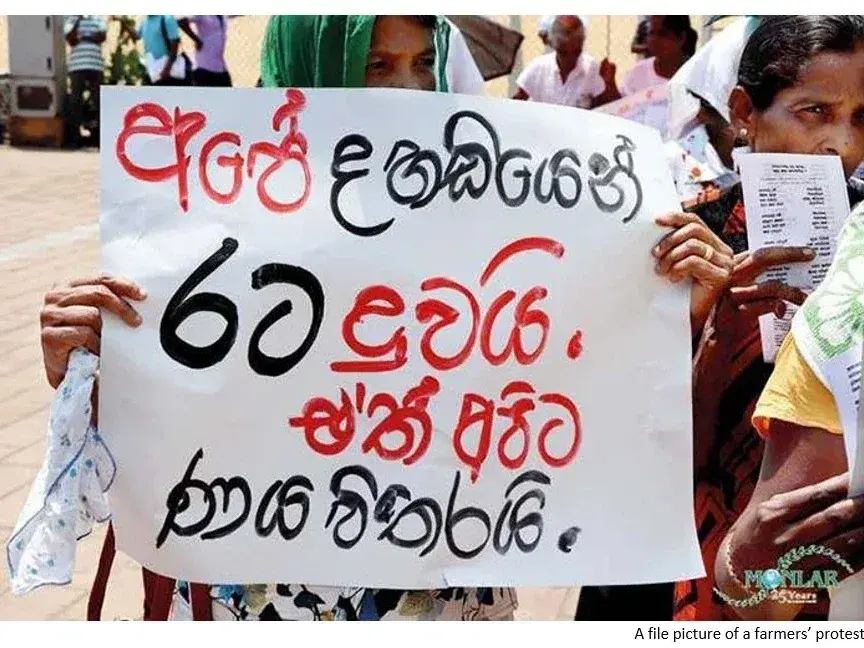
Now, the JVP-led NPP government, with a two-thirds majority, has turned aggressive and opened many fronts besides being in overdrive to implement an educational reform package believed to have been masterminded by the previous government. It has also taken on trade unions, which backed it in the 2024 elections. At the time of writing, a large number of fishermen were protesting near the Presidential Secretariat, Colombo 01, against a ban on the use of tractor-mounted winches to haul beach seine nets. The protesters are demanding to know if the government commissioned an environment impact assessment report before imposing the ban.
The fisherfolk supported the JVP-led NPP overwhelmingly in the last three elections. They commenced their satyagraha immediately after a group of Development Officers, already working as teachers, suspended a protest at the same venue against a government decision to make them sit a competitive examination and qualify to enter the teacher service. These officers also campaigned hard for the NPP.
There has been a series of protests during the past several months, and protesters prefer to gather near the Presidential Secretariat to grab media attention. This trend augurs ill for the government, for protests tend to snowball. It was a mistake for President Gotabaya Rajapaksa to designate an area near the Presidential Secretariat as an “Agitation Zone”, which became the cradle of a mass uprising, Aragalaya, against his government. The JVP-led government does not allow any structures to be put up at protest sites obviously as a precaution against the launch of another “occupy Galle Face” campaign, but it will be left without any defence in case of public anger spilling over onto the streets.
The Opposition has not yet been able to recover lost ground on the political front, and the signs are that it will take a long time to do so. But it keeps attacking the government, albeit not in an organized manner. However, its propaganda attacks are effective as evident from the government’s angry reaction and counterattacks. It is said that “with persistence a drop of water hollows out the stone”. How the JVP-led NPP rose to national prominence and went on to win elections by carrying out propaganda attacks on the SLPP government is a case in point. Odds are stacked against a government in a propaganda battle with the Opposition. It has its work cut out to turn public opinion against its political rivals due to the anti-incumbency factor.
The only way a government in power can retain or regain popularity is to fulfil its election pledges to the satisfaction of the public while avoiding unnecessary battles on vital fronts. The JVP-NPP combine is making the mistake of overstretching itself on the propaganda front and providing its rivals with rallying points.
RELATED NEWS
View all
Politics by Vishvanath
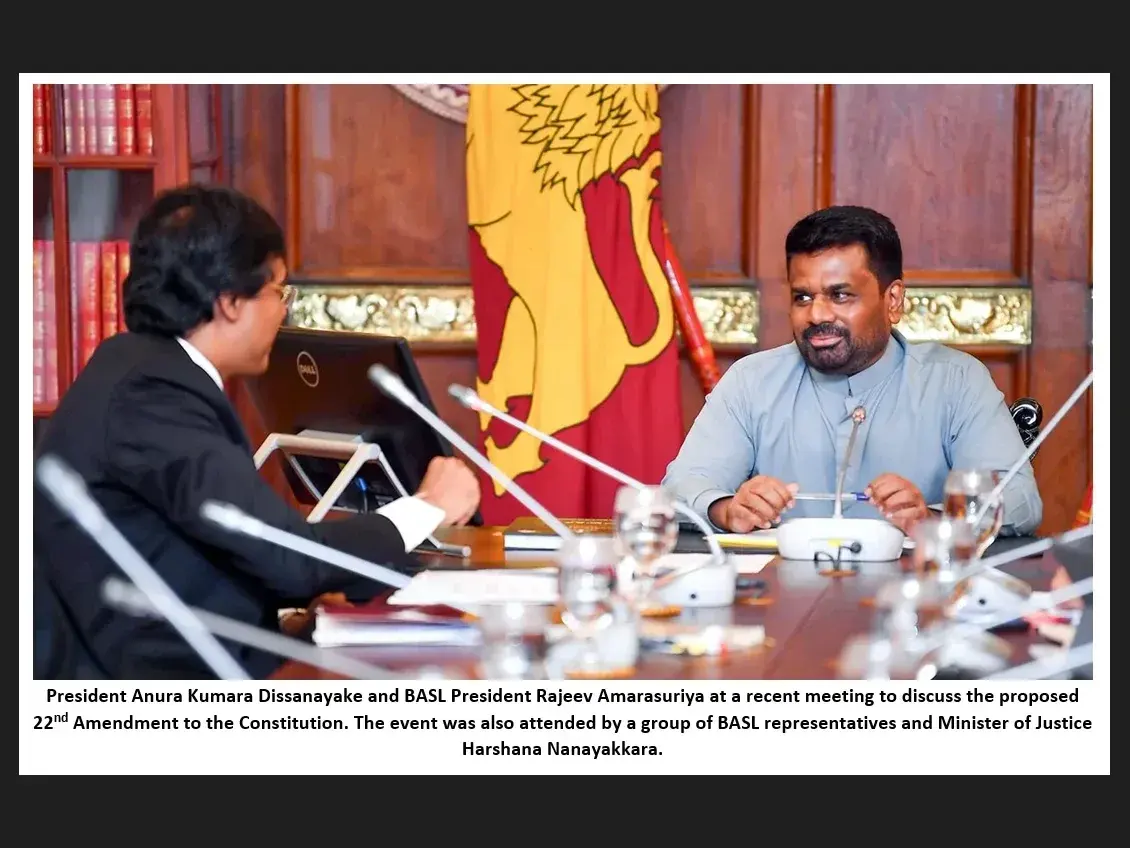
Has 22A become the govt.'s Catch-22?
Aug 27, 2026
Politics by Vishvanath
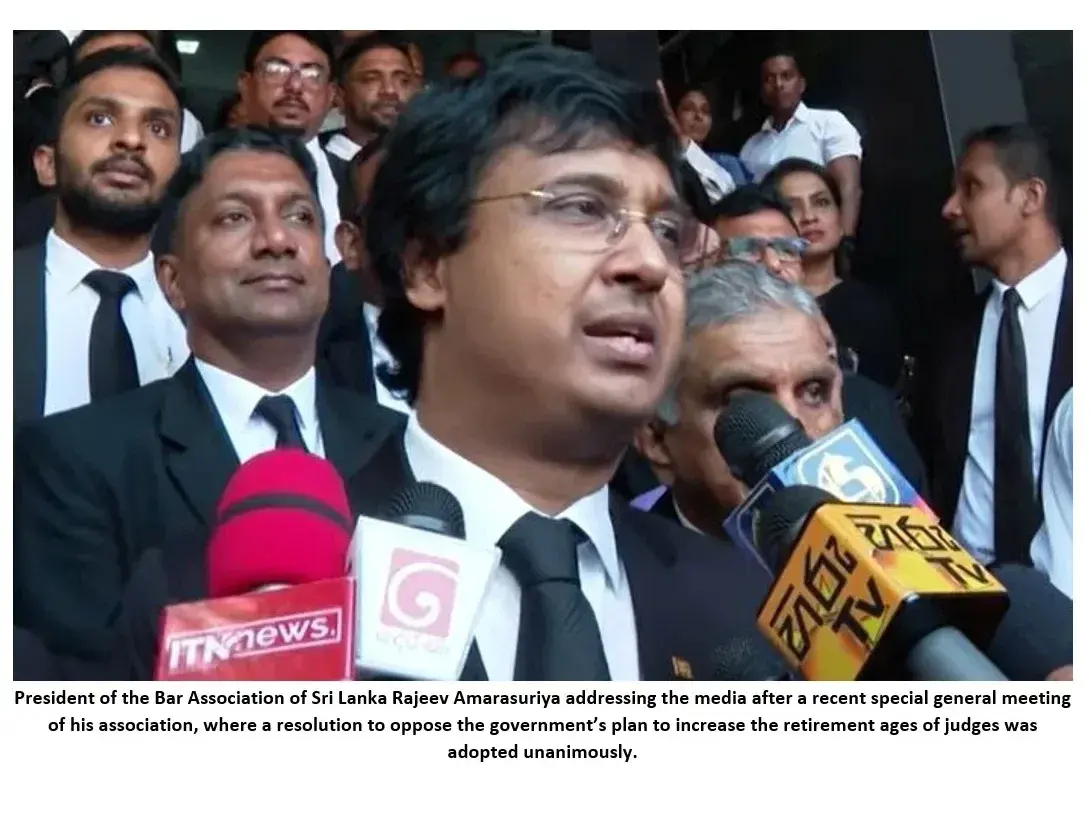
22nd Amendment: A huge political gamble for govt.
Aug 21, 2026
Politics by Vishvanath
Move to raise retirement ages of judges: Options before govt.
Aug 05, 2026
Politics by Vishvanath
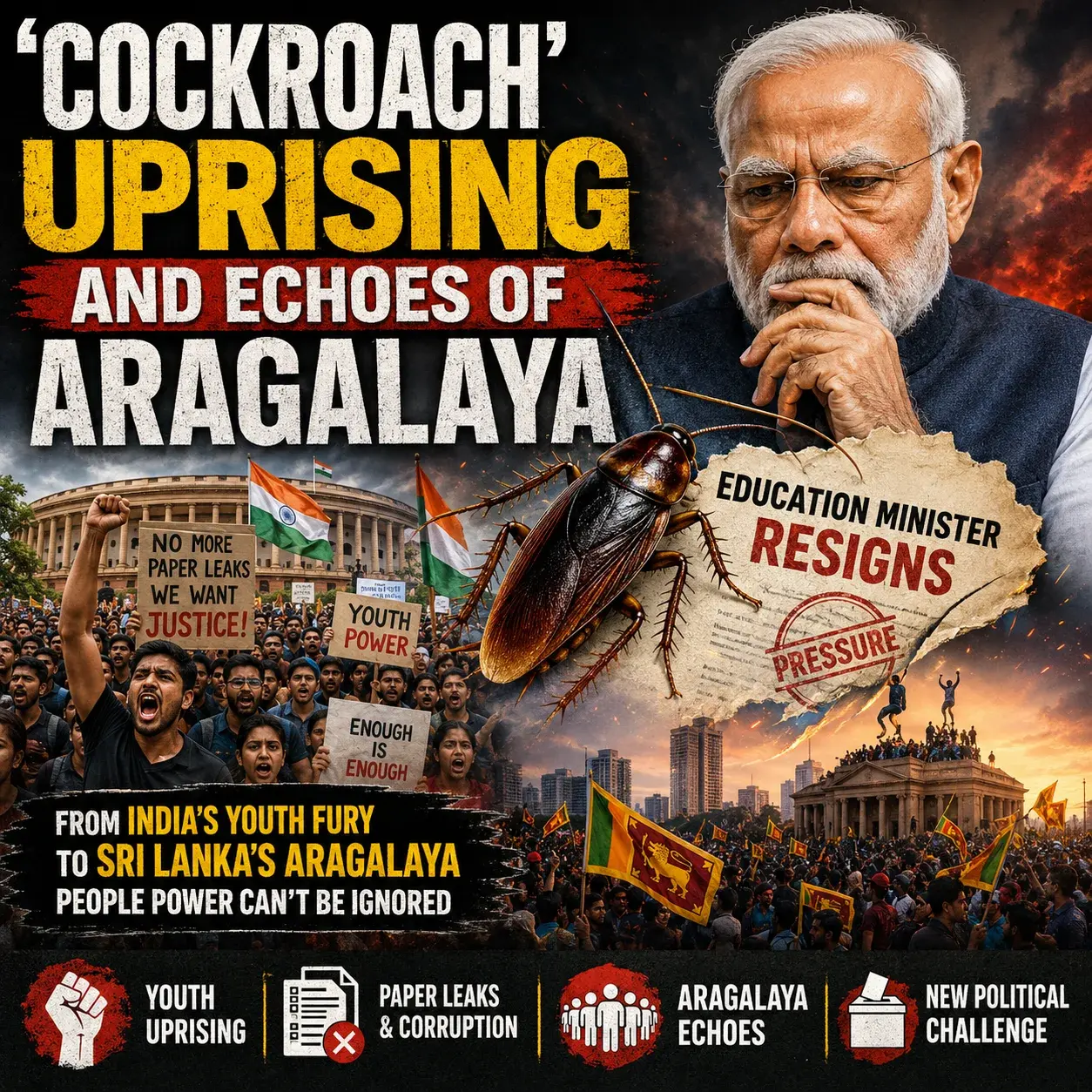
‘Cockroach’ uprising and echoes of Aragalaya
Jul 26, 2026