Politics by Vishvanath, Cover Story
Opposition pins its hopes on weakening rupee
By Vishvanath
The SJB-led Opposition usually handles issues in a way that reminds us of the Sinhala idiom, “embracing a heap of oranges”, which means that when one tries to grasp all, one is left with nothing. It frequently shifts its focus from issue to issue in a bid to pursue all of them, but ends up addressing none at all effectively.
During the past several weeks, the Opposition has pursued quite a few issues vigorously, such as the coal procurement scam, other instances of corruption, a minister’s palatial house, losses to the Treasury due to the diversion of funds to rogue accounts, the President’s predictions about judicial decisions, the commemoration of slain LTTE leaders in the North and the East, and the depreciation of the rupee against major foreign currencies, especially the US dollar.
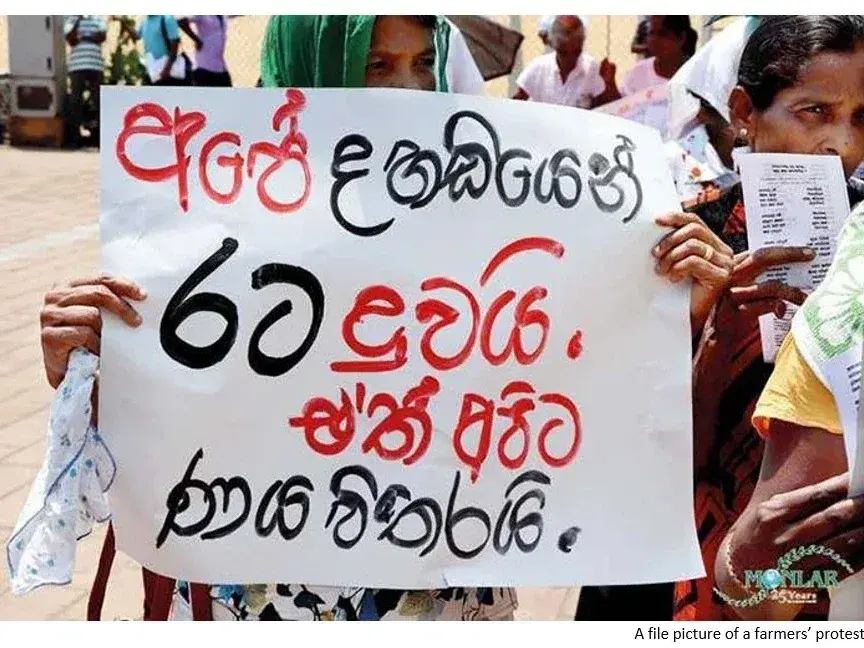
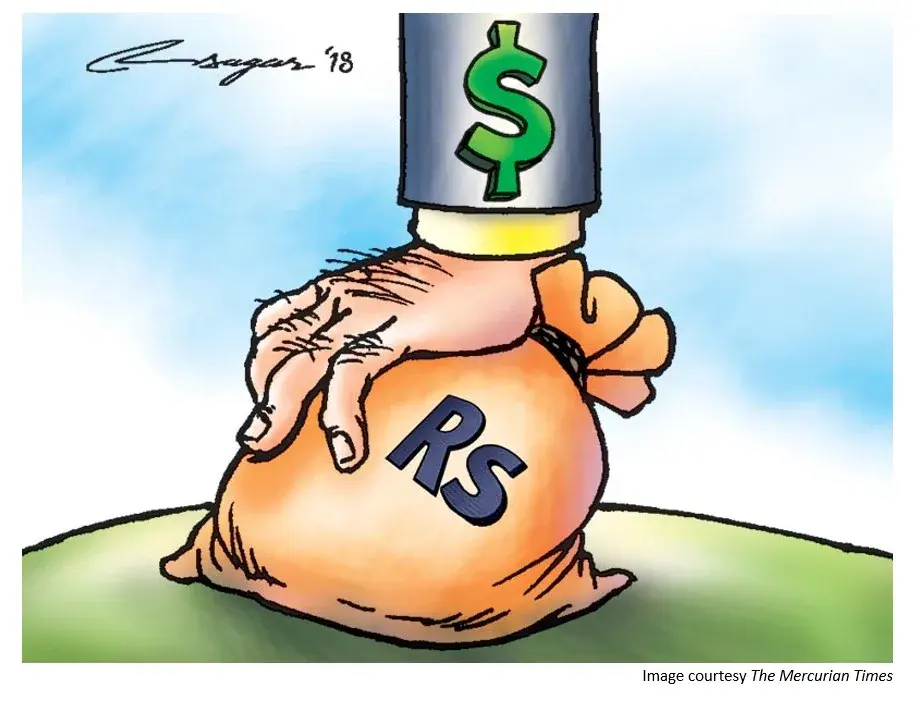
The Opposition politicians have remained focused on the forex woes of the country more than anything else during the last few days, so much so that one wonders if they have pinned all their hopes on the weakening of the rupee to make a comeback. It was basically an economic crisis that led to the collapse of the previous government and the rise of the JVP-NPP to power. So, the SJBP and other Opposition parties seem to think that the depreciation of the rupee is a sure sign of the economy going into a tailspin again, and they may be able to make the most of the situation to shore up their electoral prospects.
Opposition Leader Sajith Premadasa has been lecturing the government on the ill-effects of the rupee depreciation, and warned that the US dollar rallying up to 370 against the rupee preceded the downfall of President Gotabaya Rajapaksa. Some other Opposition politicians have predicted that the incumbent government will be in serious trouble if the petroleum prices further increase. Hope is said to spring eternal. But the Opposition does not seem to have read the economic situation properly. The rupee began to rally after reaching 354 against the US dollar a few days ago. It might weaken slightly due to the resumption of US hostilities against Iran albeit on a limited scale. However, it has now become clear that fiscal consolidation is within the realm of possibility for the JVP-NPP government although challenges remain formidable.
The Central Bank of Sri Lanka has raised the overnight policy rate by 100 basis points to 8.75% from 7.75%, blaming higher inflation ?and a depreciating rupee due to the U.S.-Israeli war with Iran. This is the biggest policy rate hike in three years, to address market liquidity issues, and this measure is expected to curtail the money supply, and ease pressure on foreign exchange reserves. It has also increased the loan-to-value ratio to reduce the demand for vehicles. The government has imposed a 50% customs duty surcharge to discourage vehicle imports for three months. It is expected to be extended. The Export Development Board (EDB) has stated that Sri Lanka’s export sector posted its highest-ever April performance, with total earnings surpassing $ 1.38 billion and reflecting a 6% year-on-year (YoY) growth driven by strong merchandise exports, despite a decline in services income. The latest data released by the EDB showed that merchandise exports shipped in April were up 9.87% YoY to over $ 1.06 billion, though estimated service earnings in the month decreased by 6.13% YoY to $ 317.16 million. However, April exports registered a 9.87% month-on-month (MoM) decline compared to January 2026. Cumulative exports during the first four months of 2026 rose 4.3% YoY to over $ 5.78 billion, also marking the highest recorded level for the period. This is a positive trend that will help bolster market confidence and manage the panic buying of dollars.
The next tranche of the IMF loan (700 US dollars) and aid from the World Bank and the Asian Development Bank are expected to amount to 1 bn US dollars. Speculation plays a pivotal role in determining exchange rates, and the good news of more dollars coming into the economy and the prospect of the rupee rallying further will help stabilize the foreign exchange market.
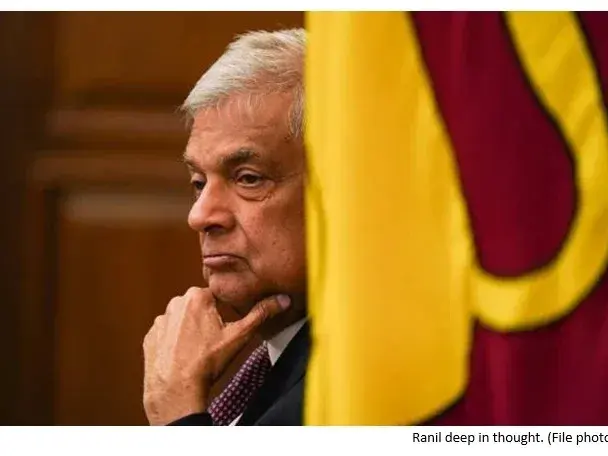
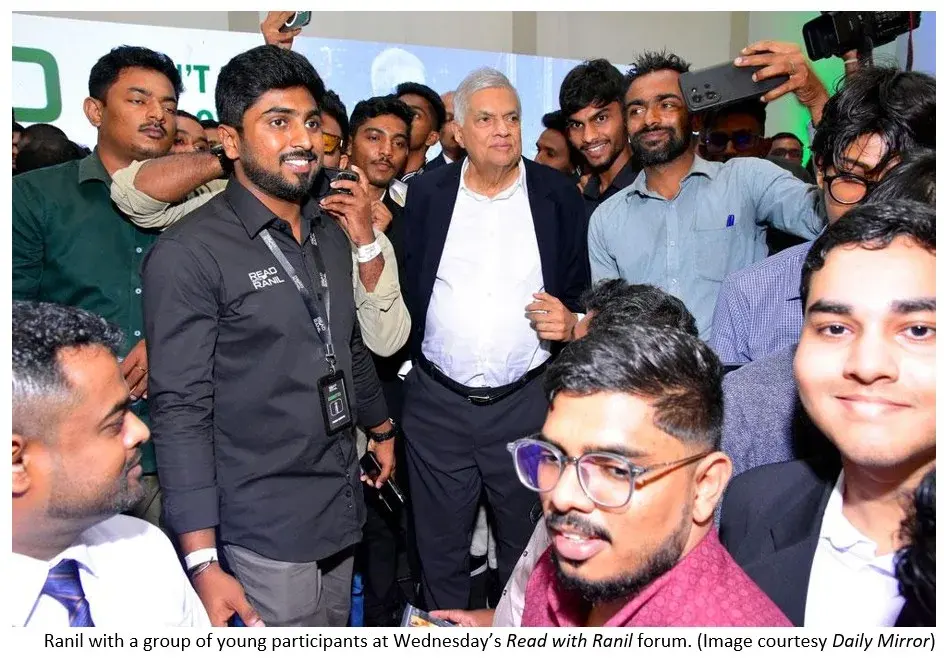
Meanwhile, the UNP is hoping against hope. It is expecting a situation similar to that in 2022 to occur. Some of its seniors are floating a rumor that President Anura Kumara Dissanayake has invited UNP leader and former President Ranil Wickremesinghe to help him overcome the current economic difficulties. Wickremesinghe has given evasive and cryptic answers to journalists who asked him about the rumor that the President met him and sought his help. It is clear that the UNP, too, is expecting the economy to weaken.
Opposition leader Premadasa has warned that the government will not be able to achieve the target of building foreign currency reserves up to 13 billion US dollars next year in keeping the IMF conditions to be able to resume foreign debt servicing in earnest. His advice to the government is to seek a successor IMF programme now without waiting until mid-2027 and losing its bargaining power. He has pointed out that the government has to set aside as much as 600 US dollars a month to reach the IMF-recommended foreign currency reserves target. This is something the government should give serious thought to instead of trying to dismiss it as a doomsday prophecy. If it feels that the foreign currency reserves target is unattainable by next year, it should look for an alternative, without letting the grass grow under its feet. President Gotabaya Rajapaksa had to flee the country and resign because his government delayed seeking IMF assistance at the first sign of trouble on the economic front.
RELATED NEWS
View all
Politics by Vishvanath
Has 22A become the govt.'s Catch-22?
Aug 27, 2026
Politics by Vishvanath
22nd Amendment: A huge political gamble for govt.
Aug 21, 2026
Politics by Vishvanath
Move to raise retirement ages of judges: Options before govt.
Aug 05, 2026

Politics by Vishvanath
‘Cockroach’ uprising and echoes of Aragalaya
Jul 26, 2026