Politics by Vishvanath
Ranil looms in rearview mirrors of both govt. and Opp.
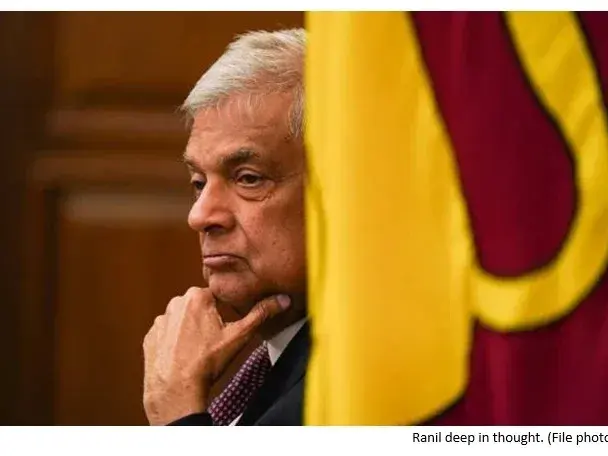
By Vishvanath
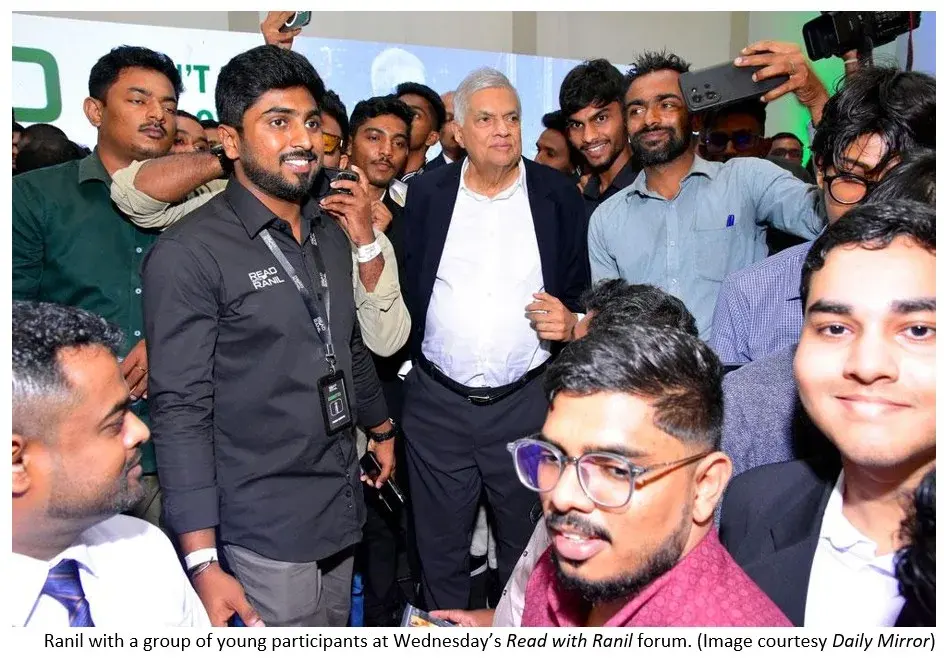
Now that former President Ranil Wickremesinghe has made it abundantly clear that he will take to active politics again, and launched his comeback campaign via ‘Read with Ranil’ initiative, for all practical purposes, it is being asked in political circles whose interests will be affected most by his return—is it President Anura Kumara Dissanayake’s, SJB and Opposition Leader Sajith Premadasa’s or SLPP National Organizer Namal Rajapaksa’s?
Ranil has severed his political ties with the SLPP, and therefore the UNP supporters who switched their allegiance to other parties, especially the SJB and the JVP-led NPP, at the last three elections, may consider responding positively if he appeals to them to rally behind the UNP again. The interests of the SJB may be adversely affected in such an eventuality more than those of others. Ranil is leveraging his economic management skills and his leadership for containing the country’s worst-ever economic crisis and bringing order out of chaos in 2022. Sri Lankans are now more concerned about the country’s economic health than in the past. Any sign of trouble on the economic front will have an unsettling effect on them to the extent influencing the outcome of a future election.
General Secretary of the SJB Ranjith Madduma Bandara has told the media that the SJB and the UNP are still having talks on forming a political alliance. If their efforts yield the desired results, they may be able to challenge the JVP-led NPP effectively. However, the task of bringing the two parties together is going to be much more difficult than thought, for it is unlikely that Ranil, as a former President, who can
contest the next presidential election, will bring himself to play second fiddle to Sajith. As the leader of the second largest party in the parliament and the runner-up in the last presidential contest, Sajith is also not likely to settle for any position other than the leadership of the proposed political alliance. So, whether the SJB and the UNP will be able to forge a formidable electoral alliance to challenge the NPP depends on the two parties’ ability to resolve the potential leadership issue. Group dynamics will also have a bearing on efforts being made to reconcile the two parties.
If the UNP and the SJB fail to come together and decide to contest future elections separately, the NPP will stand to gain, for the anti-government votes will be mostly split among three parties, the UNP, the SJB and the SLPP. If the UNP and the SJB succeed in closing ranks, they will be able to win back the UNP supporters who voted for the NPP out of frustration at the last three elections.
Many UNP supporters did not take kindly to Ranil joining forces with the SLPP, especially the Rajapaksas. But if the SJB and the UNP come together, most of them are likely to shift their allegiance back to their former party. It may be recalled that it was a rapprochement between Ranil and Sajith ahead of the 2014 Uva Provincial Council election that paved the way for the 2015 regime change. Sajith was in the UNP at that time. The reconciliation between Ranil and Sajith benefited the UNP and led to the SLFP-led UPFA’s relatively poor electoral performance and a significant increase in the UNP’s votes and seats in the Uva PC.
The UPFA, led by President Mahinda Rajapaksa, managed to secure the Uva PC but could retain only 19 out of 25 seats it had won previously, and the UNP obtained 13 seats (an increase of 6 seats), and the JVP 2 (an increase of one seat). The UPFA’s votes decreased from 418,906 (72%) in the 2009 Uva PC election to 349,906 (51%), indicating a significant drop in popular support for the Rajapaksa government. Shashindra Rajapaksa was the UPFA chief ministerial candidate. That setback for the Rajapaksa family benefited the UNP-led Opposition in the presidential election that followed in January 2015. The UNP was able to ensure the election of the common presidential candidate of the Opposition, Maithripala Sirisena, as President, form an interim administration and return to power by winning a general election held a few months later. What made Sirisena’s victory possible in January 2015 was a swing in the electorate, with a large number of floating voters who had backed the Rajapaksa administration in 2010 switching their allegiances to the UNP-led Opposition alliance, which came to be dubbed the Yahapalana camp.
The NPP government is coming under increasing pressure to hold the PC elections, which are long overdue, and if the SJB and the UNP succeed in sinking their differences and putting up a united front against the NPP government ahead of the PC polls, they may be able to secure a bridgehead on the political front by improving their electoral performance significantly.
The SLPP is striving to overshadow the SJB and recover lost ground. It has been carrying out very effective social media campaigns to boost the image of Namal. It will now have another formidable contender, with Ranil making a comeback. Perhaps, an alliance between the SJB and the UNP will affect the SLPP more than others. Ranil is looming in the rearview mirrors of both the government and the Opposition.
RELATED NEWS
View all
Politics by Vishvanath
Has 22A become the govt.'s Catch-22?
Aug 27, 2026
Politics by Vishvanath
22nd Amendment: A huge political gamble for govt.
Aug 21, 2026
Politics by Vishvanath
Move to raise retirement ages of judges: Options before govt.
Aug 05, 2026
Politics by Vishvanath
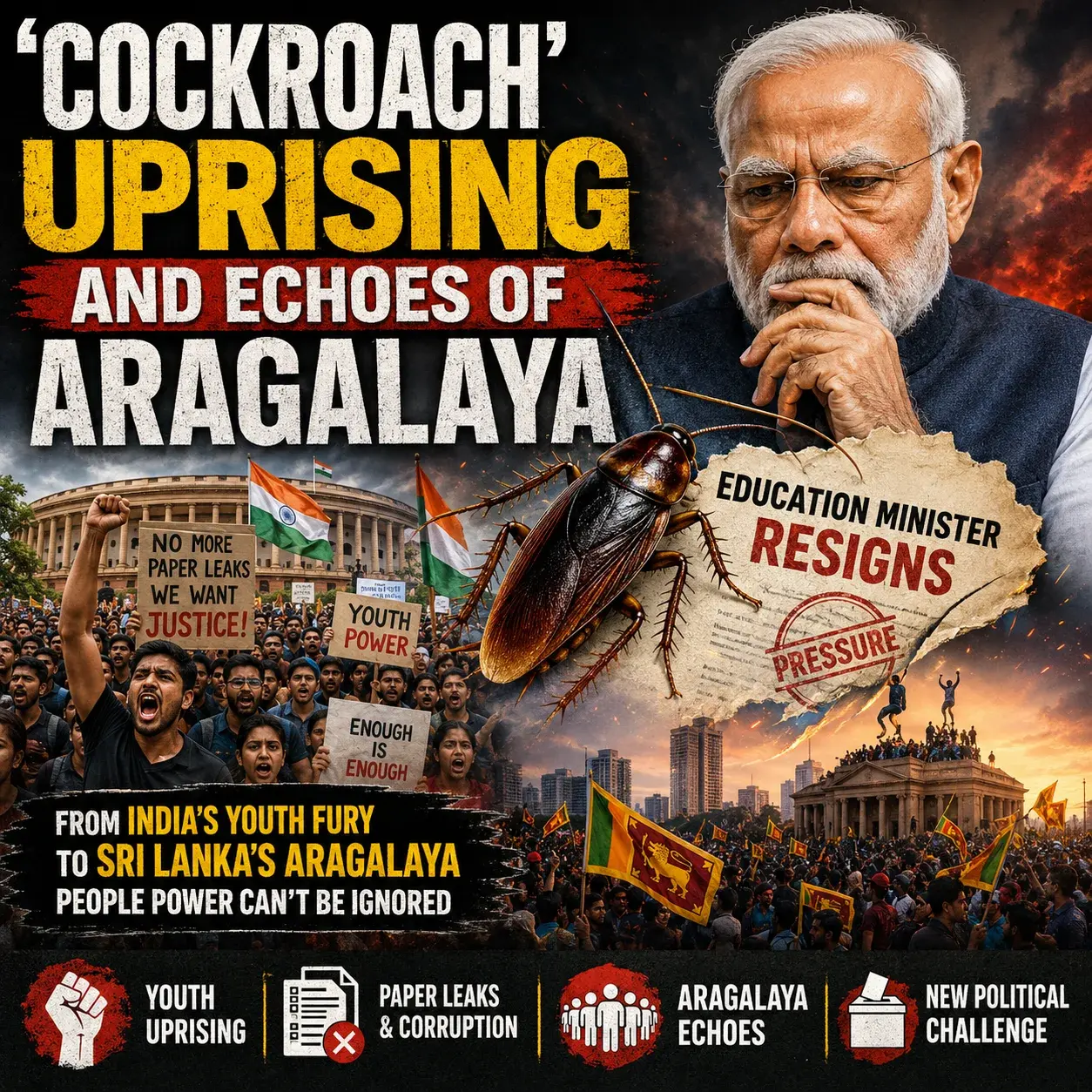
‘Cockroach’ uprising and echoes of Aragalaya
Jul 26, 2026