Politics by Vishvanath
Govt. opens new fronts and overstretches itself
By Vishvanath
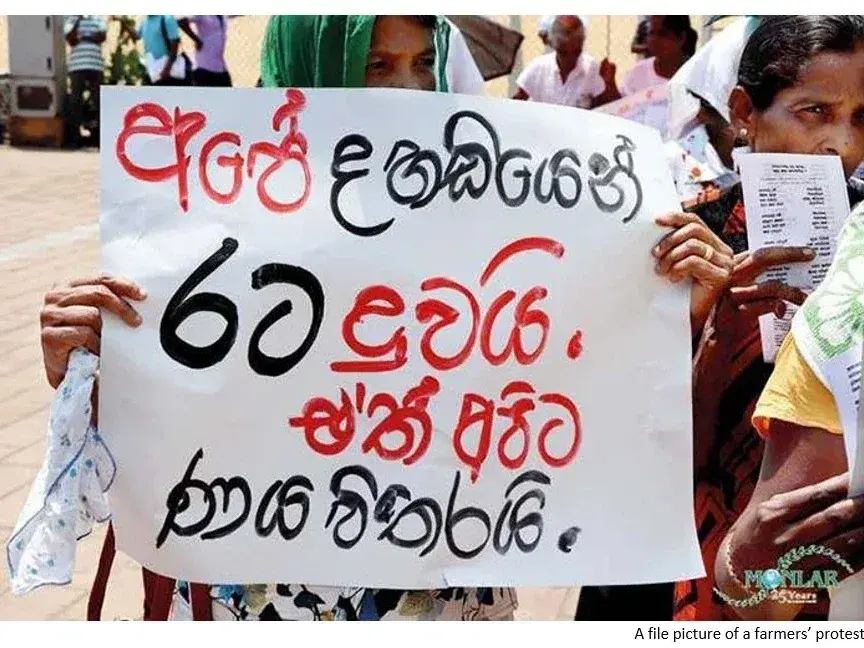
Paddy farmers are on the warpath, unable to sell their produce at reasonable prices. They have been protesting for weeks. The Yala season harvesting period has commenced, and farmers’ associations are complaining that the government is not ready to buy their paddy, despite its public announcements; only a few Paddy Marketing Board warehouses are open and the prices the government has offered are far below their expectations.
Some government politicians have made a bad situation worse by making disparaging remarks about the protesting farmers. One of them, namely Deputy Minister T. B. Sarath, has claimed that the real farmers are content with government assistance, and the protesters are moonshine addicts. Subsequently, when he drew heavy flak from farmers, he sought to unsay what he said, but in vain. Damage is done. Government politicians apparently do not care to resolve any issue diplomatically.
Protesting farmers have threatened to march on Colombo unless their grievances are redressed soon. The government has taken their threats for granted for all intents and purposes. The Gotabaya Rajapaksa (GR) government made the same mistake only to regret having done so. It was farmers who fired the first salvo against that regime, creating conditions for a mass protest movement in 2022.
When GR’s disastrous experiment with organic farming resulted in a shortage of agrochemicals, farmers took to the streets in droves, but that administration ignored their protests because it had a two-thirds parliamentary majority and was confident of suppressing protests. But protests snowballed and the rest is history.
In Sri Lanka, mammoth majorities usually blind governments to reality, make them cocky and abrasive and even drive them to take unnecessary risks. Powerful regimes may emerge victorious in battles fought on many fronts simultaneously in the short term, but lose popular support eventually. This may explain why all governments with two-thirds majorities, save one, have failed to secure second terms since the 1970s. The UNP government, elected in 1977, retained its five-sixths majority in 1982 by postponing a general election due in that year, with the help of a heavily rigged referendum, and secured a third term under a different President in 1989 by resorting to election malpractices, such as stuffing ballot boxes.
The current JVP-led NPP government has also shown signs of succumbing to the arrogance of power, and becoming increasingly belligerent. It has chosen to clash with trade unions, professional associations and farmers’ organizations though they played a crucial role in ensuring its electoral victories. It takes on the Government Medical Officers’ Association (GMOA) whenever doctors stage trade union battles, refusing to listen to them and trying to wear them down. The GMOA has remained silent for several months, but that does not mean trouble is over for the government. Trade unions bide their time and retaliate when hostile governments experience difficulties on the political and economic fronts.
Teachers’ trade unions, which backed the NPP’s election campaigns are also not well-disposed toward the incumbent government. They are opposed to the manner in which the government is proceeding with its education reforms. They claim that the government has kept them in the dark though they are the ones who have to implement the education reforms in classrooms, and most of them have been in the teaching profession for decades. Therefore, their views should be sought and taken on board, they argue.
University teachers are also up in arms. They are complaining of extremely high taxes on their salaries and a sharp drop in their real income. Some of them have cynically said at this rate the day may not be far off when they have to apply for Aswesuma poor relief. They are among the professionals who have been left without most of the middleclass comforts they used to enjoy in the past. They supported the JVP-led NPP vehemently in the hope that a regime change would help improve their lot significantly, for all the economic ills of the country were attributed to corruption during the previous governments.
Like all other professionals, university teachers are also seeking some kind of tax relief. They also have another grievance—school admissions. They have gone on record as saying that they were allowed to have their children admitted to schools of their choice previously, but they have been deprived of that concession. They have warned that they will be compelled to boycott GCE A/L answer script evaluation to pressure the government heed their demand. If they carry out their threat, the release of A/L examination results will be delayed. However, the protesting lecturers have failed to make the government soften its stand.
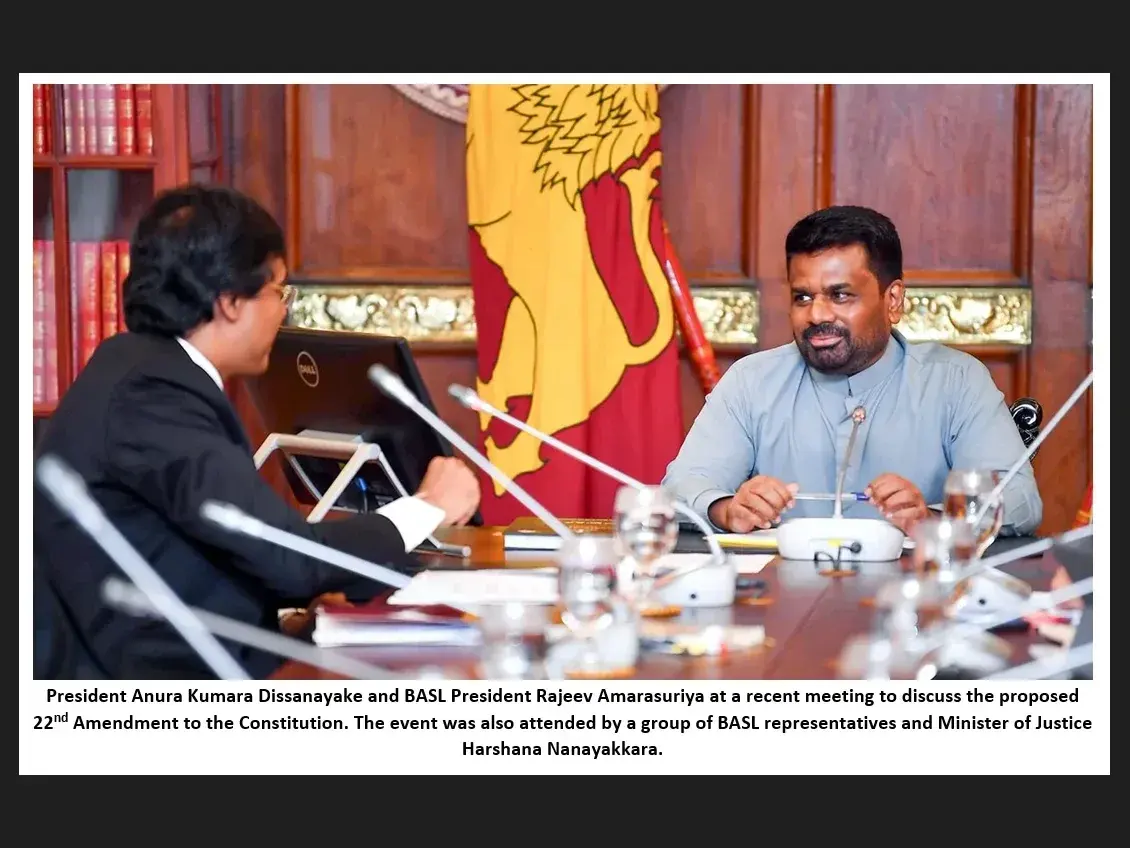
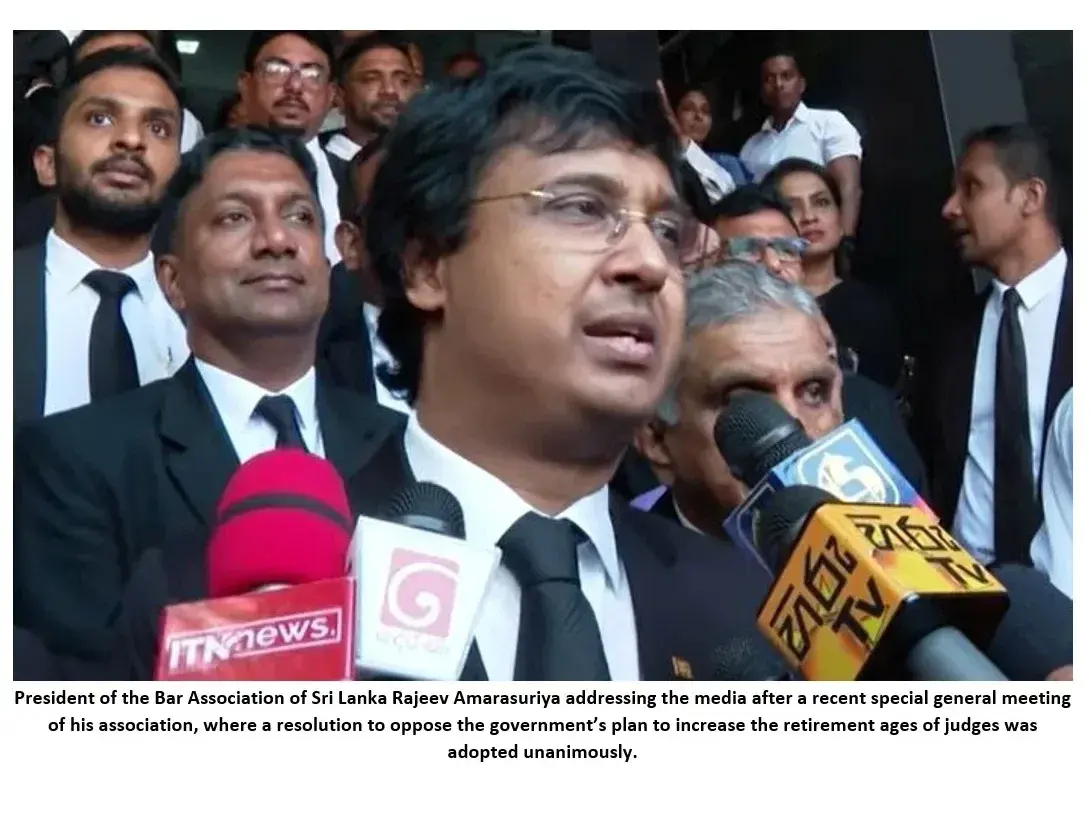
The Bar Association of Sri Lanka (BASL) has taken exception to a government move to amend the Constitution to extend the retirement ages of the judges of the Supreme Court (SC) and the Court of Appeal (CA). It is of the view that such action amounts to political interference with the judiciary. It has also faulted President Anura Kumara Dissanayake for a prolonged delay in filling four vacancies each in the SC and the CA. It has been pressuring the President to fill them urgently, but without success. The government has ignored protests by the BASL, the Commonwealth Lawyers’ Association and LAWASIA against the governments’ proposed plan to extend the tenure of SC and CA judges arbitrarily. It has not denied the allegation. It has only said no such proposal has been presented to the Cabinet. The BASL is bound to do everything in its power to prevent the government from proceeding with the questionable move.
Thus, the government, which is fighting on the political and trade union fronts, will have to overstretch itself on the legal front. It is puzzling why the government is opening so many fronts instead of concentrating on what needs to be done to retain popular support and handle protesters diplomatically. It is a big mistake for any government, however powerful it may be, to overstretch itself on multiple fronts and fight many battles simultaneously while continually providing its opponents with rallying points.
Share this story
RELATED NEWS
View all

Politics by Vishvanath
Viral Vas Kaviya: ‘Release Gnanasara Thera’ campaign taken to celestial realm Canalization of aggression through curse poems and devil dancing rituals
Oct 24, 2026
Politics by Vishvanath
Has 22A become the govt.'s Catch-22?
Aug 27, 2026
Politics by Vishvanath
22nd Amendment: A huge political gamble for govt.
Aug 21, 2026
Politics by Vishvanath
Move to raise retirement ages of judges: Options before govt.
Aug 05, 2026