Point of View, Counterpoint Political Desk, Latest News
When an oil shock reaches Sri Lanka
By Counterpoint correspondent
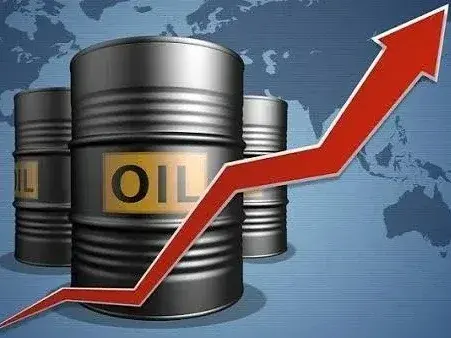
Global oil markets are under severe strain. Brent crude remains above US$100 a barrel after attacks on Saudi oil infrastructure and continuing disruption to shipping through the Strait of Hormuz. Earlier last week, Brent climbed above US$107 during trading as markets reacted to damage to Saudi Arabia's East-West pipeline and interruptions at the Red Sea export hub of Yanbu.
The pressure is even more visible in diesel markets. On September 16, the Asian refining margin for low-sulphur diesel rose above US$87 a barrel, an all-time high, compared with about US$22 before the war.
However, these numbers can be deceiving. Price of a litre of diesel in Germany is 2.8 USD, up almost 40 percent from a year ago. It IS almost seven USD in most US states, up from about 3.6 USD a year ago.
The problem is no longer simply the disruption to shipping through the Strait of Hormuz. Saudi Arabia's East-West pipeline, one of the principal routes designed to bypass Hormuz by carrying crude to the Red Sea, has itself been hit by attacks. Saudi Arabia cancelled some European cargoes and suspended loadings at Yanbu before attempting to redirect additional crude through Oman.
This is a dangerous situation for a country such as Sri Lanka.
Sri Lanka imports virtually all the petroleum it consumes. Every increase in crude and refined-product prices eventually feeds into transport, electricity generation, agriculture, fisheries and the price of moving goods around the country.
There is another problem. If Sri Lanka struggles to secure crude for the Sapugaskanda refinery, the country also loses the products that come from refining it. Bitumen required for road construction is among them. An oil supply crisis can therefore slow economic activity in ways that are not immediately visible in the retail price of petrol.
The crisis is also revealing an uncomfortable feature of Sri Lanka's post-2022 fuel-distribution system.
During the economic crisis, the Wickremesinghe administration opened the petroleum market to new foreign suppliers. The official justification was straightforward: allowing companies to import fuel using their own funds would reduce pressure on Sri Lanka's foreign exchange reserves and help ensure uninterrupted supplies. The government also presented greater competition as beneficial to consumers. Now the private sector controls about 600 gas stations.
Private suppliers now say that selling diesel at the regulated Sri Lankan price is commercially unsustainable. Lanka IOC has reported losses of Rs.141 a litre, RM Parks Rs.160 and Sinopec Rs.163. Some private filling stations have consequently faced restricted diesel supplies. CPC, despite also losing money on diesel, says supplies through its network remain available.
A private company ultimately has to protect its balance sheet. If importing and selling diesel generates heavy losses, reducing sales is economically rational. The state has a different responsibility. Sometimes it must keep fuel, electricity, transport and other essential systems operating even when doing so is temporarily unprofitable, because the cost of allowing them to stop is borne by the entire economy.
The Middle East crisis is therefore testing more than Sri Lanka's ability to buy oil. It is testing what energy security actually means.
Share this story
RELATED NEWS
View all
Point of View
Robe-sarong controversy eclipses all other issues
Oct 10, 2026

Point of View
A Speaker in the crosshairs, an Opposition in search of relevance
Oct 07, 2026
Point of View
Week of constitutional fireworks expected in House
Sep 20, 2026
Point of View
UNP-SJB betrothal announced at JRJ’s birth anniversary commemoration
Sep 19, 2026