Politics by Vishvanath, Cover Story
Cracks appearing in NPP’s support base
Farmers, teachers, student leaders on the warpath
By Vishvanath
The SJB-led Opposition is bragging that it has seized control of a considerable number of hung local councils, where the JVP obtained pluralities in the May 06 local government LG) elections. That is no mean achievement for an embattled Opposition in disarray, but mustering majorities in local councils alone will not help it make a comeback any time soon. Its electoral performance has improved marginally, as evident from the results of the latest LG polls results, but it has a long way to go before being able to turn itself around. This however does not mean that it is smooth sailing for the NPP government.
It does not necessarily take a strong Opposition to bring down a government. There have been instances where governments collapsed under their own weight in this country. The Mahinda Rajapaksa government (2010-2015) is a case in point. It had a two-thirds parliamentary majority and was without any formidable challenges from its rivals; the economy was in good shape; there were no threats to national security,and the ordinary people’s lot was not unbearable in most cases. The UNP-led Opposition was weak, and it was jokingly said that the UPFA government had more UNP MPs than the UNP itself—thanks to crossovers. The UPFA’s winning streak continued. But problems such as ambitions of party seniors, favoritism, and the suppression of internal democracy slowly ate into the vitals of the UPFA administration, which eventually suffered a debilitating split ahead of the 2015 presidential election. General Secretary of the SLFP, the main constitution of the UPFA, himself defected together with more than a dozen ruling party MPs including ministers, in late 2014, and defeated President Rajapaksa in the 2015 presidential race. The rest is history.
The NPP government makes itself out to be firmly entrenched and without challenges on the political front, but it has its share of problems, such as ideological differences, domineering behavior of the JVP, centralized control, strictly enforced conformity, which leaves little room for dissenting voices, and lack of experience in statecraft. Differences between the JVP and the other coalition partners came to light during a ceremony held to mark the 60th Anniversary of the JVP at the Viharamahadevi Open Air Theatre, Colombo, in May.
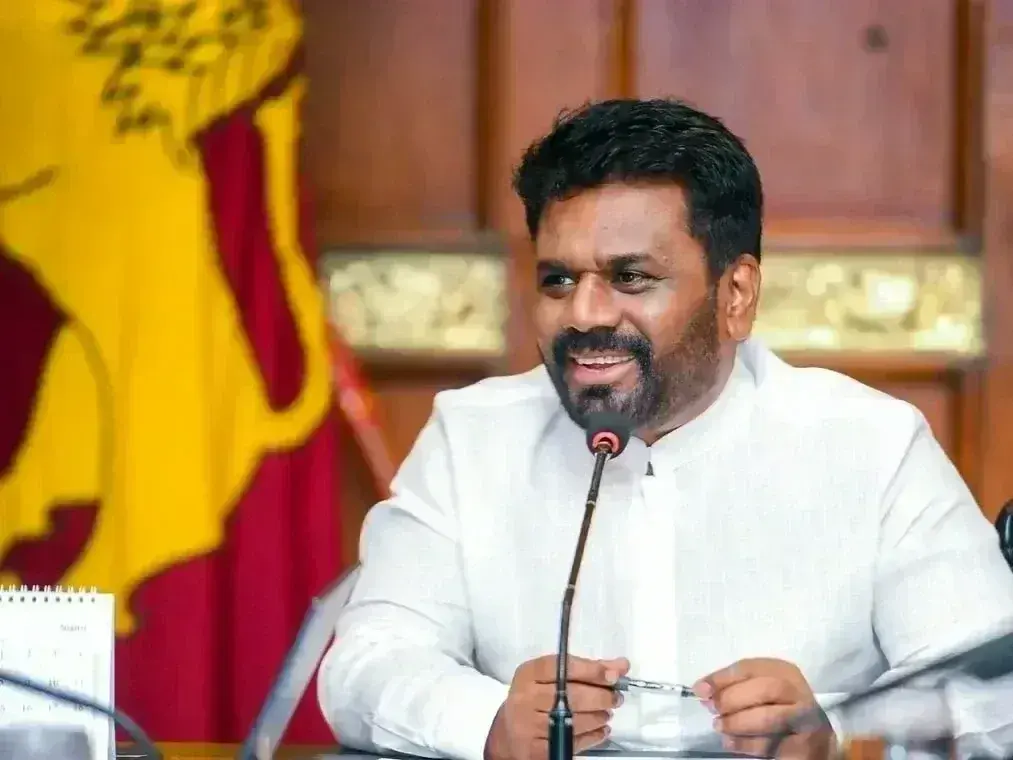
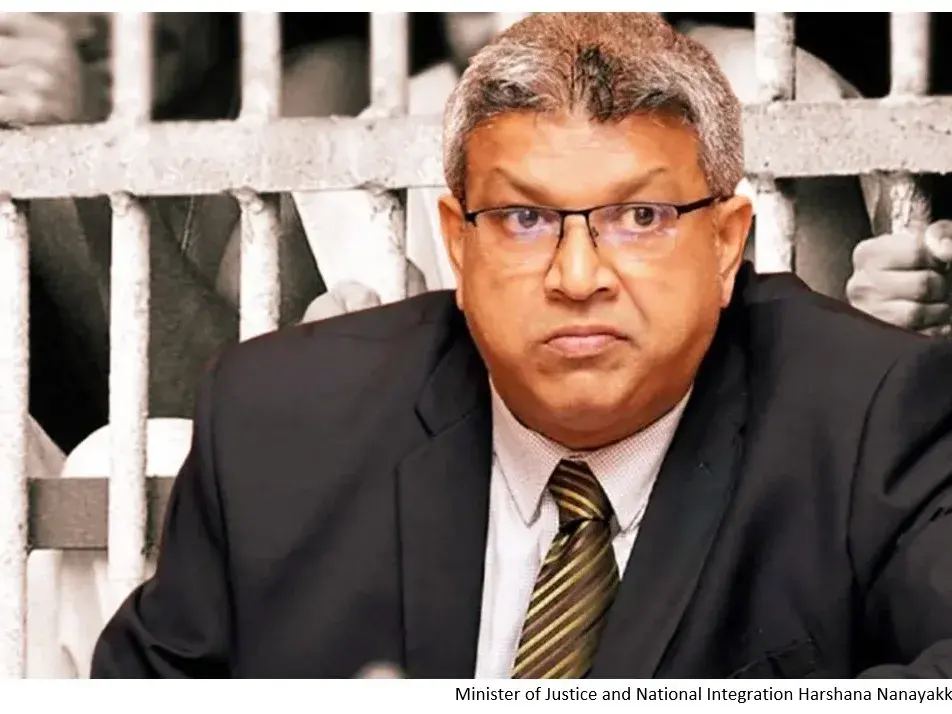
President Dissanayake, making a fiery speech, highlighting what he described as the achievements of the JVP, said some of those who would not have been considered good enough to be doormats by other political parties were going places thanks to the JVP. The government sought to downplay the President’sangry remark afterwards, claiming that it had been directed at the Opposition, but it was obviously meant for the consumption of the non-JVP members in the NPP government, and indicated a cold war between the two groups. His swipe was also seen by some political analysts as an attempt to pacify the JVP’s old guard, which is not well-disposed towards the NPP members who do not espouse the JVP’s core ideology. These ideological differences and dialectic tensions also became visible when Minister of Justice Harshana Nanayakkara bluntly said in answer to a question posed to him during a television interview that he did not consider Rohana Wijeweera his leader.
It was mostly the non-JVP members in the NPP, drawn from various fields, that enabled the NPP’s electoral victories; the JVP would not have been able to win any election under its own steam. In 2004, too, the JVP was able to secure as many as 39 seats in the parliament by coalescing with the SLFP led by Chandrika Bandaranaike Kumaratunga.
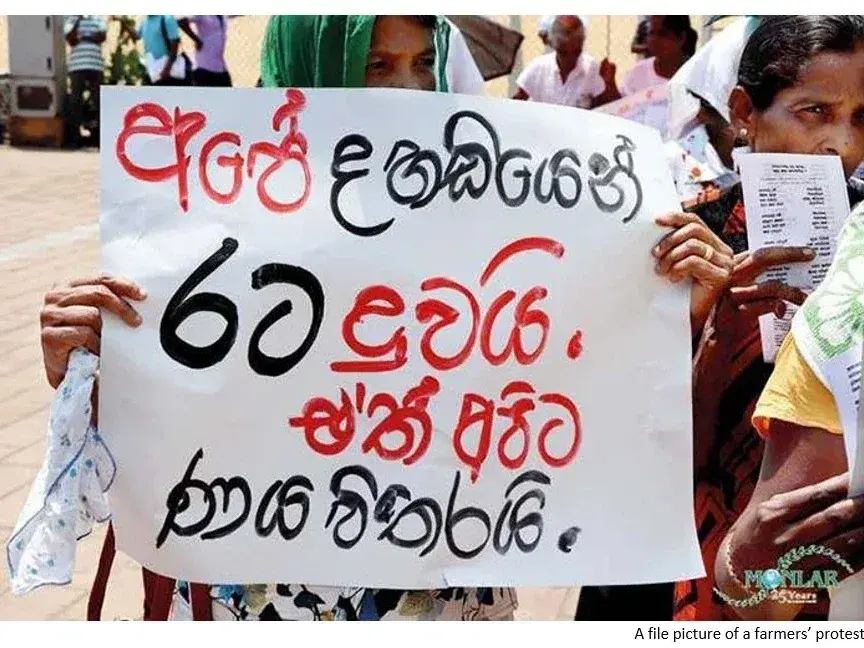
The NPP government has antagonized some of its key support groups. Farmers are up in arms against delays in the disbursement of fertilizer subsidies, demanding that the government fulfil its election pledge to guarantee fair prices for their paddy. The farmers’ associations that backed the NPP to the hilt at the grassroots level, enabling it to win elections, are now condemning the government politicians who led their struggles from the front during the previous administrations. The government is appealing to farmers to sell their paddy to the Paddy Marketing Board, but without success. Rice growers are publicly accusing the NPP of pandering to the whims and fancies of the powerful rice millers, such as Dudley Siriseana, at the expense of cultivators and consumers alike.
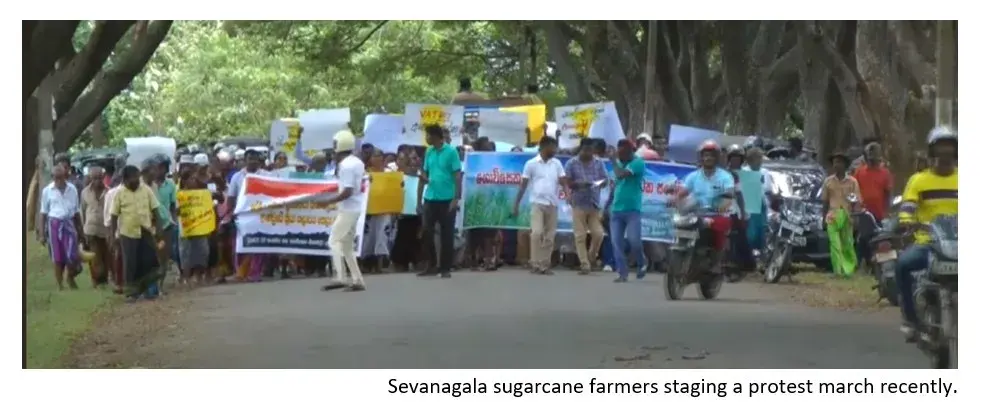
Besides paddy farmers, the sugar cane cultivators and transporters have been protesting, in Sevanagala, against delayed payments, and accusing the government of working according to a sinister plan to ruin the local sugar manufacturing sector at the behest of the IMF. They are of the view that sugar imports with low special commodity levies on them are part of the government’s strategy to achieve the goal of leaving the local sugar factories to wither on the vine. They insist that there are huge unsold stocks of sugar in the state-owned factories as the country is flooded with imports and the prices of locally produced sugar are high due to VAT. The protesting farmers say the same fate has befallen ethanol produced by local sugar factories.
According to official records, about 30% of Sri Lankans live in the rural sector and depend on agriculture for their livelihood. They are a force to be reckoned with. Hence, successive governments have sought to rally their support through measures such as fertilizer subsidies and special loan schemes. Protests that snowballed into a popular uprising against the Gotabaya Rajapaksa government , in 2022, commenced in the rural sector, with farmers urging that administration to lift the ill-conceivedban of agrochemicals and help save their cultivations. When resentful farmers threatened to march on Colombo, not many took their threat seriously. But others joined protests against that blundering government, paving the way for the meteoric rise of the JVP/NPP in national politics.
The government’s proposed educational reforms have incensed teachers and their trade unions, which claim to have got short shrift from the NPP which they ardently supported. They are complaining that the government has prioritized talks with the owners of private schools and private tuition centres over a discussion with government teachers on the vital reforms in the education sector. They have dismissed the proposed educational reforms as ill-conceived. Teachers were instrumental in turning public opinion in favor of the NPP during the previous government, and their trade unionists were actively involved in the NPP’s election campaigns. It is unlikely that the government will be able to win back the teachers’ unions, much less mobilize them in future elections.
State sector teachers including principals have also taken exception to some caustic remarks President Dissanayake made about them during his recent parliamentary speech on the proposed educational reforms.
One of the organizations that carried out frontal attacks on the Gotabaya Rajapaksa government was the Inter University Students’ Federation (IUSF), which led protest marches during Aragalaya (2022). The IUSF has launched a campaign against the incumbent government, which has retaliated by forming a new student’s organization, claiming that it is the real IUSF. The two student groups are now at each other’s throat in state universities.
The newly introduced digital services tax has exasperated IT professionals, who were ardent supporters of the NPP, and enabled it to dominate the digital realm and shape public opinion prior to the last three elections. In this day and age, the youth specializing in IT are an asset to any political party, and the NPP was lucky that it became their choice in the last three elections. But they are now disillusioned with the NPP if their social media posts are any indication.
The NPP has managed to retain its position as the most popular political party, but cracks have appeared in its support base, while the Opposition is making slow recovery. Perhaps, only a course correction as well as a serious effort to win back its alienated supporters will help ensure the ruling coalition’s political wellbeing in these troubled times.
RELATED NEWS
View all
Politics by Vishvanath
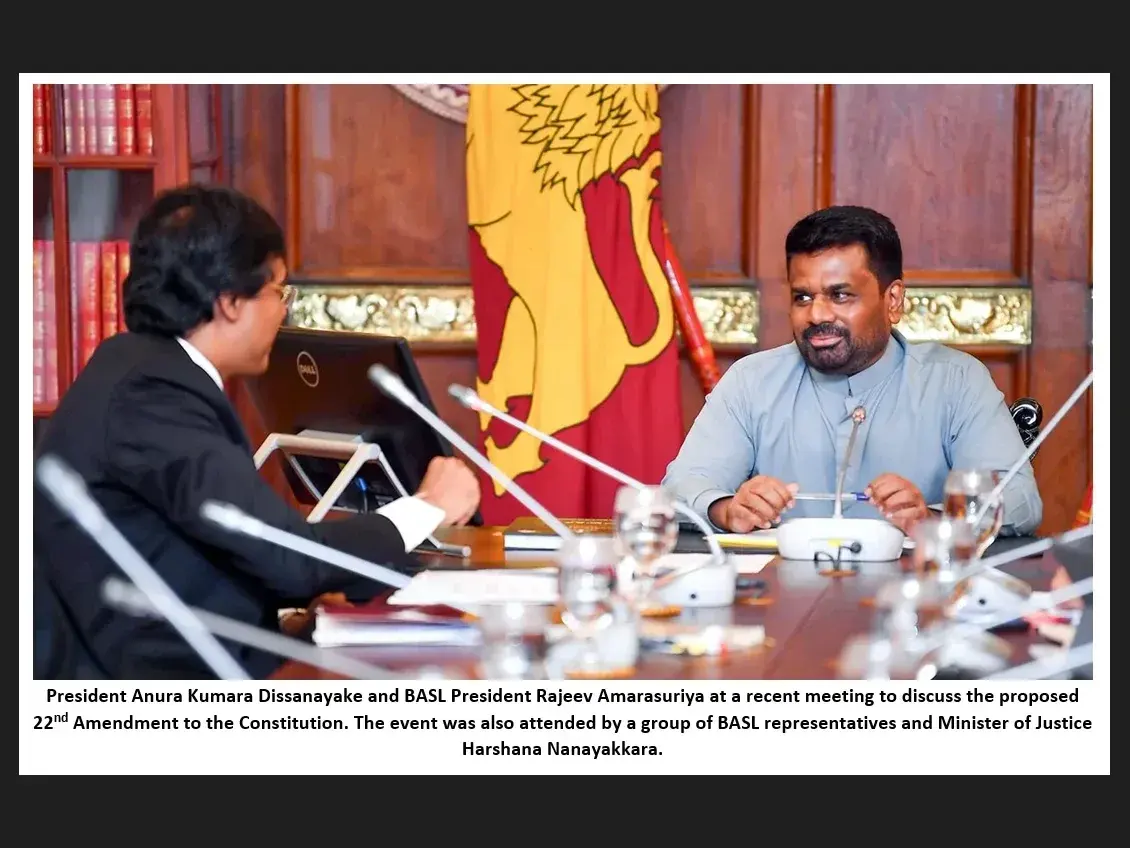
Has 22A become the govt.'s Catch-22?
Aug 27, 2026
Politics by Vishvanath
22nd Amendment: A huge political gamble for govt.
Aug 21, 2026
Politics by Vishvanath
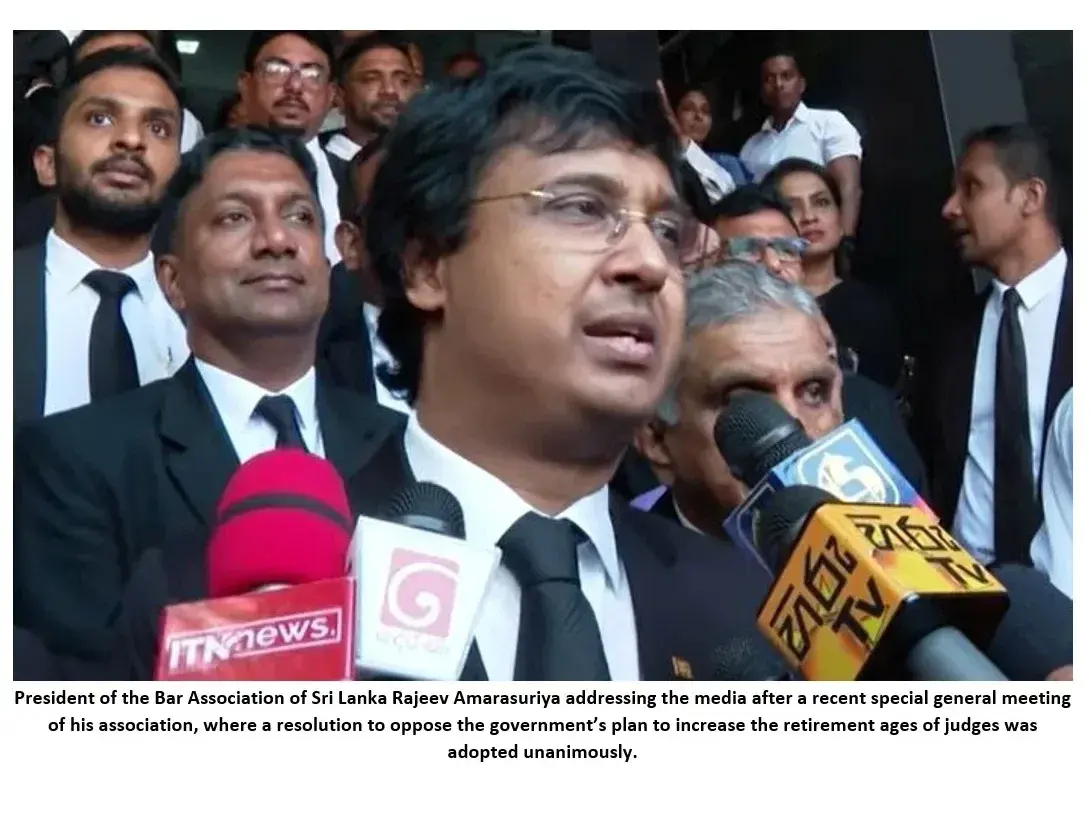
Move to raise retirement ages of judges: Options before govt.
Aug 05, 2026
Politics by Vishvanath
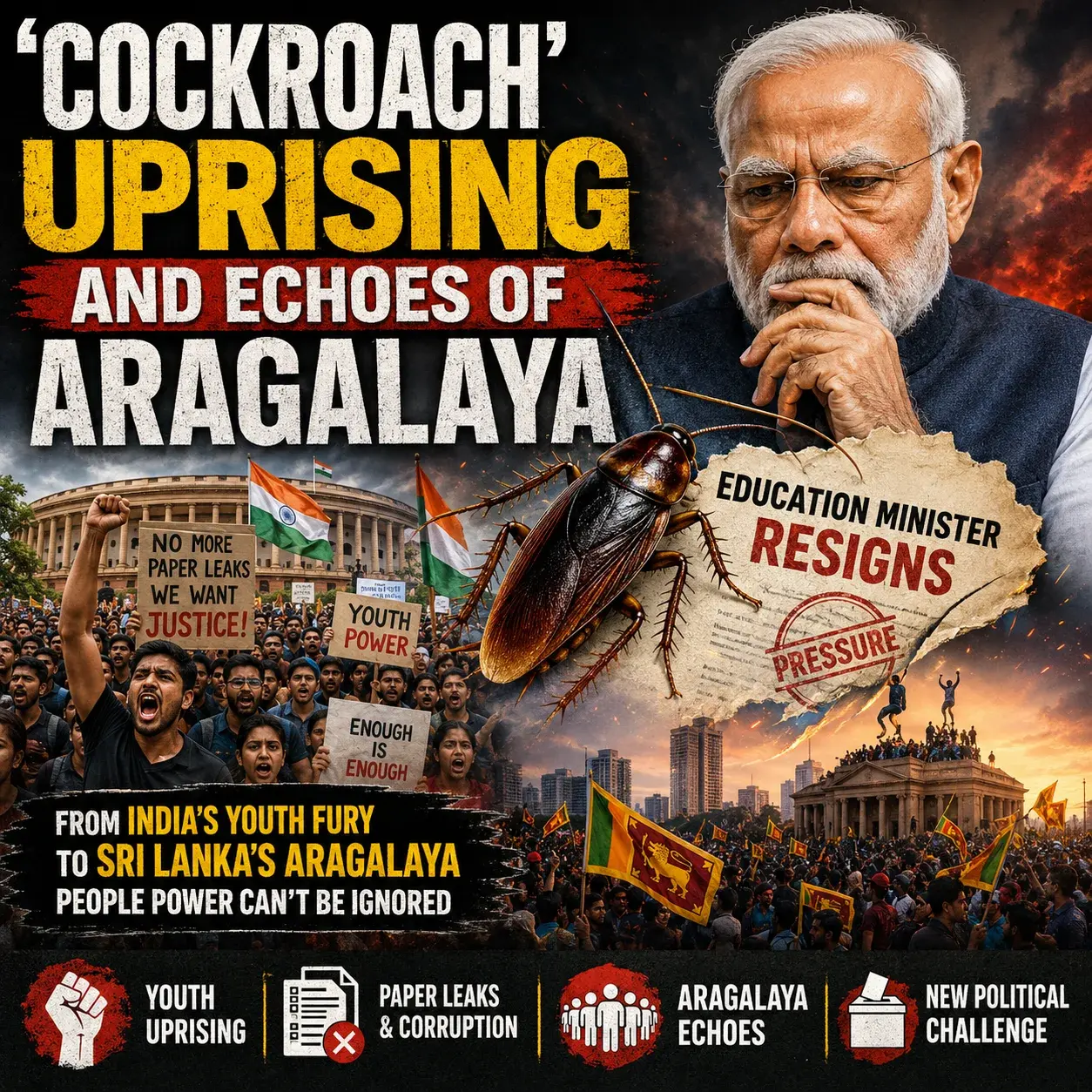
‘Cockroach’ uprising and echoes of Aragalaya
Jul 26, 2026