Cover Story
Mr.Godakanda, Please take this LEAD
India and Vietnam challenge unequal trade treaty with US, but Indonesia and Bangladesh cave in
By P.K. Balachandran
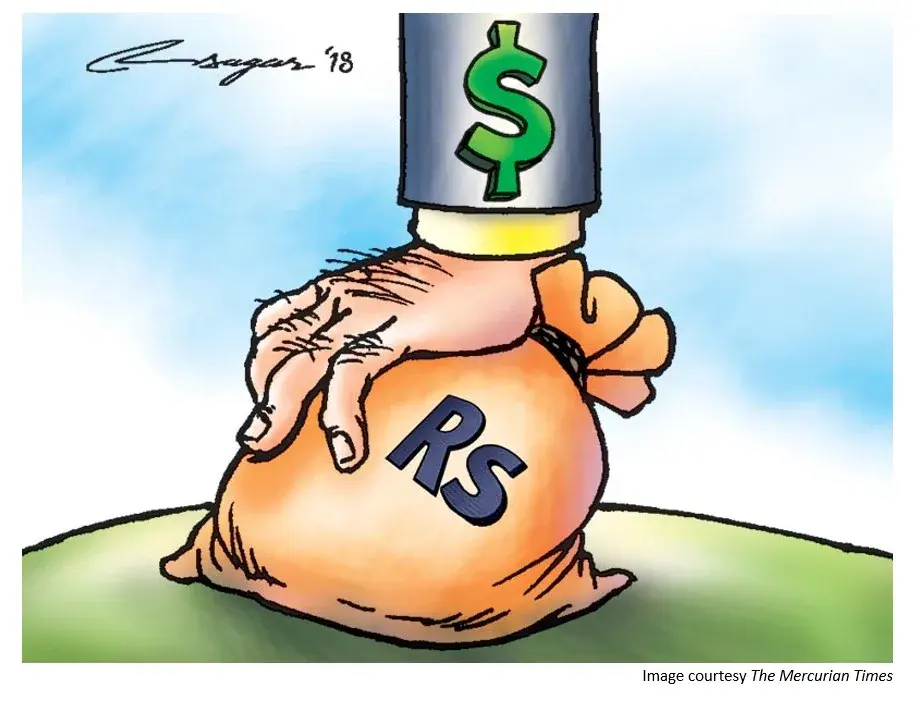
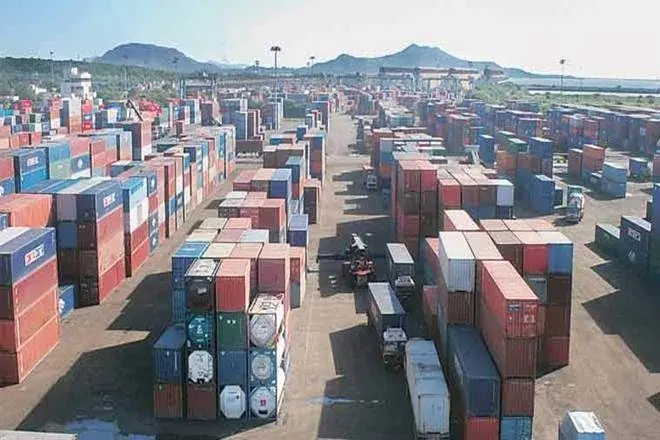
Colombo, May 7 – The United States has either signed or is negotiating trade deals with several countries in Asia - deals that nationalists in these countries have termed one-sided and pivoted to serve America’s geopolitical goals, rather than mutual benefits.
However, some countries have offered resistance while others have humbly submitted to the US diktat. India and Vietnam are trying to negotiate hard, while Bangladesh and Indonesia have caved in.
Interim US-India Agreement
On February 2, 2026, President Trump announced a reduction of US tariffs on Indian goods from 50% to 18%. Talks are on, with both sides negotiation hard. However, the interim framework has drawn sharp criticism from opposition parties, who accuse the Modi government of yielding to US pressure on tariffs, energy purchases, and agricultural access. Cheap, subsidised US farm and dairy products could harm poor Indian farmers, they said.
As per the White House statement of February 9, the US framework does offer gains for Indian exporters. An 18% tariff rate is more favourable than those applied to Pakistan (19%), Vietnam (20%), and Bangladesh (20%). Indian goods such as textiles, apparel, leather, footwear, organic chemicals, home décor, artisanal products, and certain machinery will benefit.
Upon full conclusion of the deal, tariffs on generic pharmaceuticals, gems, diamonds, and aircraft parts would be eliminated entirely. Zero tariffs on generic pharmaceuticals would be a major boost for India, a leading global supplier.
The deal also supports India’s manufacturing goals by opening up the civil nuclear sector, deepening tech cooperation, and attracting US investment in data centres. Aerospace and defence firms like Boeing, Lockheed Martin, and RTX are exploring co-production partnerships
But trade analysts point out that the 18% tariff will not help India get FDI in export-oriented industries. FDI will come only if the tariff is 10%, they point out.
In return for the US tariff concession, India has committed itself to buying US$ 500 billion worth goods and services over a specified period. That will be a sharp increase from the current annual level of purchases amounting to US$ 45 billion.
Trump claimed India would halt Russian oil imports and shift to US and Venezuelan energy supplies, but India’s official readout remained silent on these points.
Vietnam
On October 26, 2025, the US and Vietnam agreed to a Framework for Reciprocal, Fair, and Balanced Trade. A 20% baseline US tariff applies to Vietnamese goods, with potential exemptions or zero tariffs for specific products still under negotiation. The deal aims to reduce non-tariff barriers and increase US agricultural and manufactured exports.
As part of the deal, Vietnam has stepped up action against counterfeit goods, approved SpaceX’s Starlink services (bypassing local partnership rules), agreed to buy US$300 million in Boeing jets, and advanced a US$1.5 billion Trump Organization golf course. Reports indicate progress toward purchasing F-16 fighter jets.
Vietnam’s export-oriented growth relies on foreign direct investment, but as in the case of India, reducing the tariff from 20% to 10% would be needed. Strict rules against transshipments reflect US concerns that Vietnam serves as a conduit for Chinese goods. But China supplies 38% of Vietnam’s intermediate goods, making it vulnerable to the worsening of US-China tensions.
Indonesia
Indonesia and the US have finalised a deal cutting American tariffs from 32% to 19%. Over 1,800 Indonesian commodities — including palm oil, coffee, and cocoa — gain tariff exemptions. In exchange, Indonesia will eliminate tariffs on over 99% of US products and remove non-tariff barriers.
Indonesia will ease restrictions on critical minerals exports, deepen cooperation with US firms in mining and processing (including rare earths), and ensure that foreign-owned facilities face the same rules as local ones.
Indonesia has committed itself to importing up to US$38.4 billion in US goods and services, including US$15 billion in energy and US$4.5 billion in agricultural products like cotton, wheat, and soybeans. Additional obligations include minimum purchases of US beef, fruits, rice, and ethanol; facilitating US$10 billion in direct investment in US projects; and avoiding ownership restrictions or earnings repatriation rules that disadvantage American investors.
Indonesia has agreed to consult the US before signing new digital trade pacts, refrain from discriminatory digital taxes, and avoid forcing US firms to support local news outlets or process data onshore.
Jakarta would have to align with US trade restrictions on third countries and act against entities harming US interests, the deal says.
Bangladesh
The US-Bangladesh Agreement on Reciprocal Trade (ART) offers structured access to the American market. However, provisions barring dealings with “non-market” economies (China and Russia), mandating compliance with US sanctions, and imposing energy procurement rules significantly limit Dhaka’s strategic autonomy.
“The central question is not whether the agreement delivers export gains, but whether its institutional, geopolitical, and security-related provisions limit Bangladesh’s capacity to balance among major powers while maintaining domestic legitimacy,” notes an analysis in The Diplomat.
In early March, US Assistant Secretary of State S. Paul Kapur visited Dhaka to stress strict adherence to the agreement as a precondition for expanding trade and investment, while also seeking regional security coordination.
Under the deal, Biman Bangladesh Airlines has already signed for 14 Boeing aircraft costing over Tk35,000 crore (US$ 39 billion). Bangladesh has committed to importing US$ 15 billion worth of LNG over 15 years, 700,000 tonnes of wheat annually for five years, and soybeans worth US$ 1.25 billion — a combined agricultural and energy commitment of about US$ 3.5 billion.
Additional obligations include increased purchases of US military equipment, reduced imports from certain countries (China and Russia basically) and curbs on subsidies that could conflict with US interests.
Bangladesh must consider American priorities when negotiating free trade or digital trade pacts with others and when sourcing nuclear technology or energy.
The ART requires cooperation on export controls, harmonisation of strategic-goods regulations, and avoidance of measures that “backfill or undermine” US restrictions. This effectively compels alignment with Washington on sensitive issues, including Russia-related sanctions and China-focused export controls.
Energy and security reliance on the US is further compelled through commitments to import LNG, civilian aircraft, and defence equipment from the US. This creates challenges for Bangladesh, which must continue the Russia-linked Rooppur nuclear power plant and Chinese-funded infrastructure projects.
While the Tarique Rahman government appears willing to proceed with the deal, with the Commerce Minister saying that there can be no going back on it, the Jamaat-e-Islami, which is the main opposition party, has vowed to remove harmful clauses.
The Centre for Policy Dialogue has called for cancellation, labelling the deal “highly discriminatory.” Economists and human rights groups have demanded a White Paper.
An Overall Assessment
While these deals provide tariff relief and market access, they uniformly extract significant concessions in purchases, policy alignment and curb strategic autonomy.
The pattern reveals a consistent US approach that prioritises American commercial and geopolitical interests, leaving Asian partners with limited room to manoeuvre amid great-power competition.
END
RELATED NEWS
View all