Politics by Vishvanath, Cover Story
‘Constitutional tort’ and tit for tat
By Vishvanath
The UNP, reeling from the arrest of its leader and former President Ranil Wickremesinghe, about three months over an alleged misuse of state funds during a visit to London, while in office, has got an opportunity to strike back. It has accused the JVP-led NPP government of failure to activate Sri Lanka’s Disaster Management Plan during the recent weather catastrophes. That grave omission, the UNP says, contributed to widespread destruction of infrastructure, houses, and, above all, a high death toll. The Opposition is of the view that the government has concealed the actual number of deaths for political reasons.
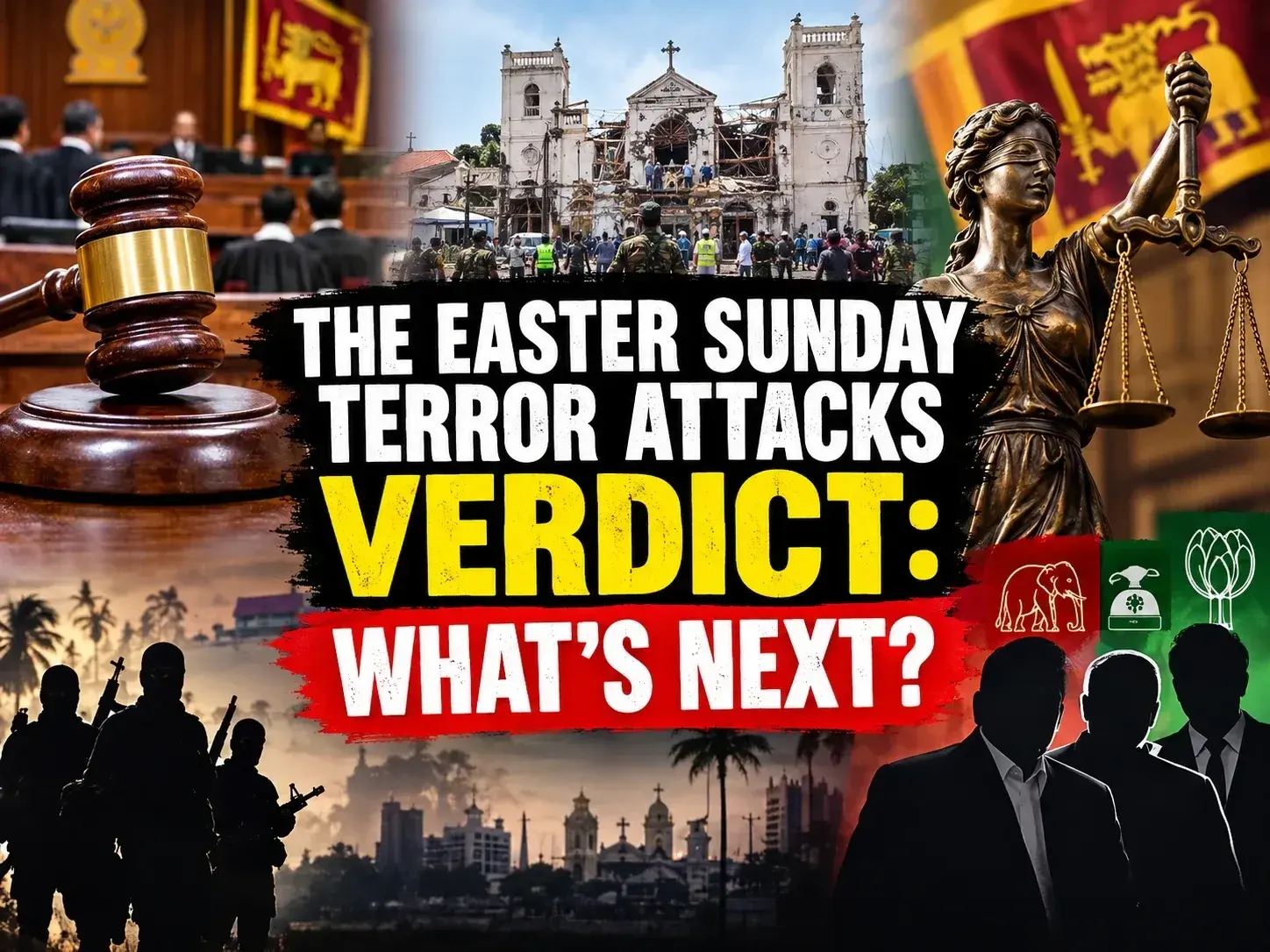
The UNP has thus set a ‘constitutional tort’ as the proverbial Sword of Damocles above the government’s head. This could be considered a veiled threat that the JVP/NPP leaders and public officials who do their bidding will face legal action for violating the people’s right to life, when they lose power, just like former President Maithripala Sirisena, whom the Supreme Court (SC) ordered to pay Rs. 100 million from his personal funds as compensation to the family members of the victims of the Easter Sunday terror attacks, which his government failed to prevent despite repeated intelligence warnings in 2019. One may recall that the SC ruled that Sirisena, former Defence Secretary Hemasiri Fernando, former IGP Pujith Jayasundera and top intelligence officials were responsible for negligence as they did not take action to prevent the Easter Sunday attacks despite solid intelligence warnings two weeks prior to the terror strikes. “This dismal failure on the part of former President Sirisena resulted in disastrous consequences for this country. Not only were lives lost and properties destroyed, but interracial tension and interethnic hatred began to raise their ugly heads, causing the very fabric of this nation to be broken,” the court said. That ruling must have made Sirisena regret the day he was elected President. He has not yet recovered if his refusal to engage in active politics is any indication.
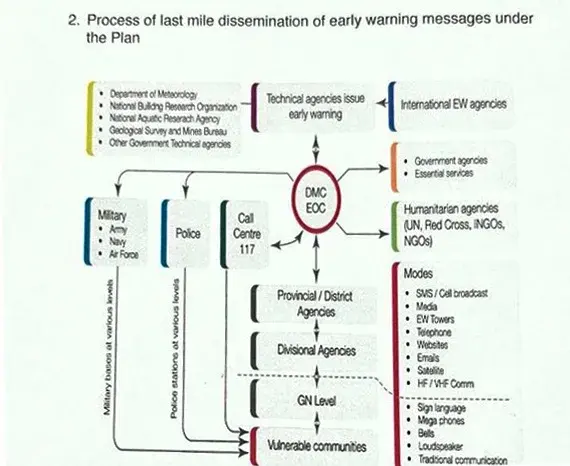
The UNP seems to think it has built a strong case against the NPP government where the latter’s alleged lapses regarding disaster management is concerned. It released a special statement on Tuesday, flaying the government. It has said the Disaster Management Council is legally required to formulate and implement the National Disaster Management Plan under the Disaster Management Act No. 13 of 2005, but key procedures outlined in the plan were not followed by the current government. The UNP has said the plan requires constant coordination with technical agencies such as the Department of Meteorology, the National Building Research Organisation, and the Geological Survey and Mines Bureau, along with international early-warning bodies. It also mandates the issuance of early warnings, preparation of bulletins, and dissemination of alerts to vulnerable communities through Grama Niladhari divisions, the media, mobile alerts, call centres and local authorities.
Opposition MPs Anuradha Jayaratne and Kabir Hashim have told the parliament that many lives could have been saved in Gampola if the people had been warned of impending floods and the reservoirs on the Mahaweli Ganga.
The Opposition has said the government did not heed warnings of disasters, issued by the Meteorological Department and the Irrigation Department on November 12, two weeks prior to the landfall of Cyclone Ditwah.
The UNP has pointed out that the Disaster Management Plan outlines a “last-mile” dissemination process involving the Disaster Management Centre’s Emergency Operation Centre, the military, police, provincial agencies and humanitarian organizations. (See Figure 1: The infographic in the UNP statement, showing the required chain of communication from technical agencies to community-level alerts on hazards such as floods, landslides and storms.) The UNP has said national-level annual preparedness meetings, required under section 3.13 of the plan and involving key agencies, including the Irrigation Department and the Ministry of Health, are part of the mandated emergency readiness process. A sensitization workshop on the 2023-2030 plan was held in June this year, led by the Disaster Management Centre, with the Secretary to the Ministry of Defence as the key speaker.
The UNP has said the plan was not activated on November 27 while the country was bracing itself for the destructive impacts of Cyclone Ditwah. Instead, the most critical operational day, November 28, was declared a public holiday, and early-warning communication outlined in the plan was not activated, it has noted.
The UNP has accused President Anura Kumara Dissanayake of failing to invoke Sections 11 and 12 of the Disaster Management Act, which allow the declaration of a State of Disaster; the act was never put into operation. The President, Prime Minister and Cabinet “failed to act under the relevant provisions of the laws to mitigate the harm done by a disaster”, the UNP statement has claimed.
Quoting a Supreme Court observation from the Easter Sunday attack cases, the UNP has said failure by the executive to act or prevent harm during a crisis may amount to a constitutional violation if it infringes upon the fundamental right to life.
The sting is said to be in the tail. The last paragraph of the UNP statement is a quote from the SC judgment in the Easter Sunday carnage cases against Sirisena et al. It is apparently intended as a dire warning to the government that its leaders will have to face the consequences of their alleged failure to minimize destruction wreaked by Cyclone Ditwah. “We hold that when either executive action or inaction infringes the fundamental right to life resulting in harm or loss to a person or citizen, it is actionable as a constitutional tort ....” – Supreme Court in the Easter Attack cases.
Thus, the UNP is determined to institute legal action against the current leaders after the next regime change. Its intent is reflected in its aforesaid statement: “The President, Prime Minister and the Cabinet failed to act under the relevant provisions of the laws to mitigate the harm done by a disaster.”
* A constitutional tort is a legal tool that allows the state to be held vicariously accountable over the actions of its agents.
RELATED NEWS
View all
Politics by Vishvanath
Has 22A become the govt.'s Catch-22?
Aug 27, 2026
Politics by Vishvanath
22nd Amendment: A huge political gamble for govt.
Aug 21, 2026
Politics by Vishvanath
Move to raise retirement ages of judges: Options before govt.
Aug 05, 2026
Politics by Vishvanath
‘Cockroach’ uprising and echoes of Aragalaya
Jul 26, 2026