Politics by Vishvanath, Cover Story
Deradicalization of JVP, neoliberal shift and disillusionment of workers
By Vishvanath
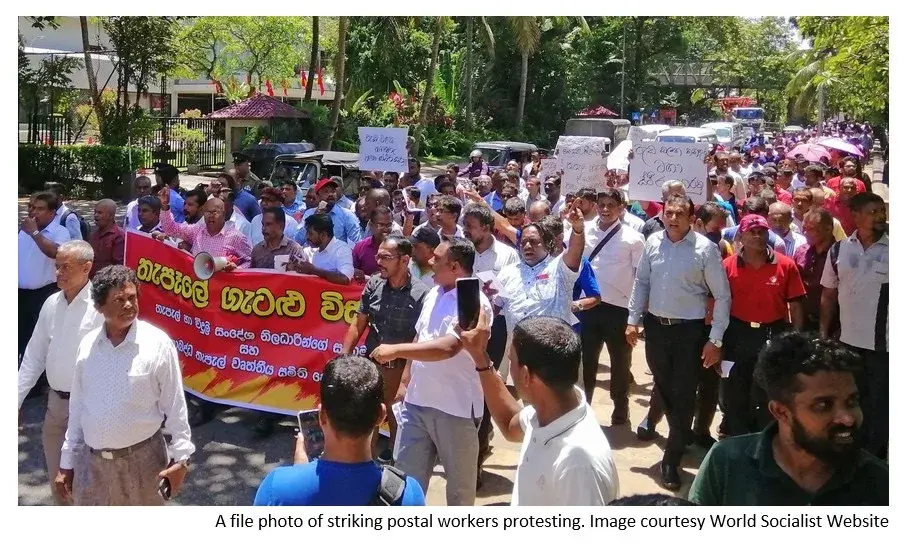
The JVP, which drove workers to down tools at the drop of a hat under previous governments, is now opposing strikes, which it considers part of a conspiracy against the NPP government. It sounds just like its predecessors; all successive governments have accused trade unions of conspiring against them. This kind of reaction to strikes runs counter to the JVP’s much-avowed commitment to championing workers’ rights and defending the country’s trade labor movement. The JVP-led NPP government locks horns with the trade unions that refuse to give in to its dictates. The JVP wants the labour unions to do exactly the opposite of its own trade union arm did in the past. The trade unions affiliated to the JVP have become compliant and are losing their appeal to workers.
The JVP’s relations with workers are manifestly turning sour owing to its hostile action against the trade unions that the current administration cannot control. The NPP government refused to negotiate with the postal workers who staged a week-long strike recently. They finally called off their week-long strike and returned to work following a discussion with Minister Nalinda Jayatissa, who kept on asking the striking workers to give up their trade union action before calling for negotiations. He had to soften his stand and have a discussion with the striking unions as letters and parcels were piling up in the Central Mail Exchange, and motorists were unable to pay traffic fines as most post offices remained closed. Most of all, the postal strike also received much media attention. The JVP’s trade union wing antagonized the postal workers by being critical of their industrial action. The government also granted the private bus operators’ demand for a joint timetable for private and state-owned buses, much to the resentment of SLTB workers, who fear that such an arrangement will make their institution with a much smaller fleet play second fiddle to the private operators. The government did everything in its power to break a strike, launched by the SLTB workers against the joint time table and partly succeeded in its endeavor. The private bus operators have supported the NPP in the last three elections.
Teachers’ trade unions which backed the NPP are also complaining that the government is riding roughshod over them. The Ceylon Electricity Board Engineers Union has issued a dire warning to the government. Opposing the power sector reforms the JVP-led NPP government has embarked on, it has warned of what it describes as disastrous consequences of the ill-conceived reform process, which, they have said, could even lead to blackouts. Some CEB trade unions have even threatened a strike to safeguard the interests of their members. JVP trade union leaders who led the CEB workers’ labor struggle from the front have sided with the government. Its leader, Ranjan Jayalal, has been elected the Mayor of the Kaduwela Municipal Council.
What will be the impact of the government’s strained labour relations on the JVP’s political future?
The traditional left movement, which dominated Sri Lankan politics for the first few decades in the post-Independence era, is now not a shadow of its former self. The Lanka Sama Samaja Party (LSSP) organized a spate of strikes between 1947 and 1964, and the 1953 hartal almost toppled the Dudley Senanayake government (UNP). All powerful trade unions, save a few, in that era identified themselves with the LSSP. Today, the LSSP and the Communist Party of Sri Lanka (CPSL) are debilitated beyond measure both politically and electorally so much so that they are dependent on coalitions led by the SLFP and its offshoots to gain parliamentary representation. Their debilitation is multifactorial. It is basically attributable to a host of factors such as the blurring of left identity due to coalition politics, the rise of populism during the last few decades globally, the collapse of the socialist bloc in the world, class dealignment in the modern world, leadership failures, internal fragmentation, inability to adapt, poor appeal to the media and deradicalization due to the dilution of ideology. However, one main factor that is not adequately highlighted in discussions on the decline of the traditional left is workers’ disillusionment with its trade unions, which have lost their hold on the labour movement.
Sri Lanka’s leftist parties which came to power with the help of workers by fighting for their rights and organizing labour struggles to achieve that end finally took on trade unions. In 1972, LSSP leader Dr. N. M. Perera, who was the Minister of Finance in the SLFP-led United Front government under Prime Minister Sirimavo Bandaranaike, broke a strike launched by the Ceylon Bank Employees Union. He was accused of resorting to draconian measures to crush that trade union struggle, which lasted for more than 100 days. Ironically, the leftist parties vehemently condemned President J. R. Jayewardene’s UNP government when it crushed the July 1980 general strike and sacked tens of thousands of strikers.
The incumbent JVP-led government seems to have taken a leaf out of the traditional leftist parties in handling trade unions. The JVP came into being, claiming to be an alternative to the LSSP and the CPSL, in the late 1960s; it claimed that those two parties had lost revolutionary vigor and become conformist and the country needed a real Marxist party to defeat capitalism. It has also been very critical of the other leftist parties for their conformism.
The JVP finds itself in an unenviable position as a ‘Marxist’ political party. It is saddled with the task of ensuring the continuation of what the leftist parties including it have condemned as the previous government’s neoliberal agenda; It also has to keep the IMF bailout programme on track while increasing taxes and introducing reforms that trade unions are opposed to. The economic and educational reforms it has undertaken to implement were initiated by its immediate predecessor.
The JVP is active at the grassroots level, but its trade union arm has been its backbone. Its rise in politics has been fortuitous; a protest vote against the previous government and the political parties that had been in power made its electoral victories possible. When its luck runs out, it will have to depend on its trade union wing to retain its strength as a political force. Floating votes will swing for the party that markets itself best in the next national election.
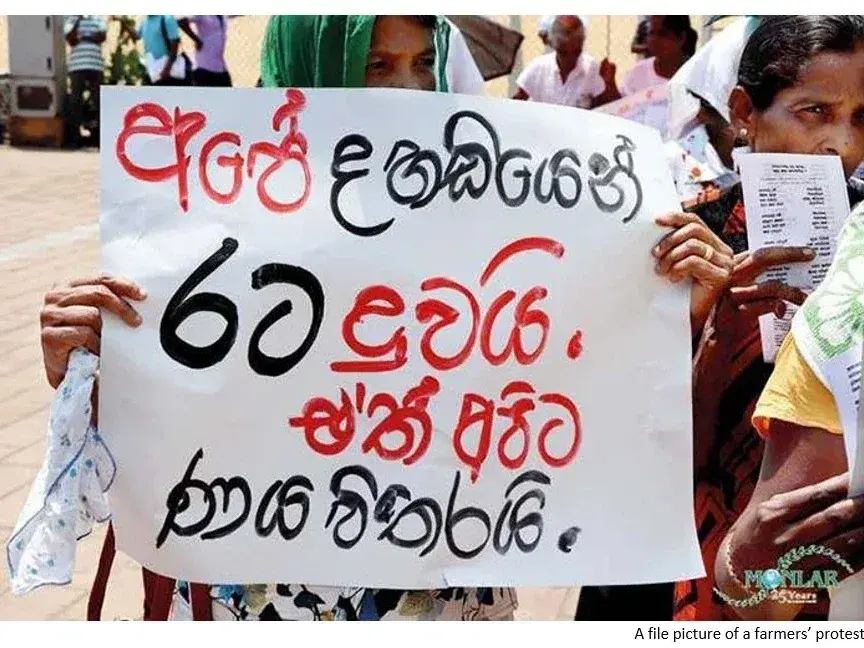
The JVP has already antagonized farmers’ associations and workers’ trade unions, and its overall popularity is on the wane as evident from the outcome of the May 06 local government elections. Unless it manages to win back trade unions and farmers’ associations and retain its Marxist identity, it will run the risk of finding itself in the company of the traditional leftist parties, which are struggling to remain politically relevant, much less capture power.
RELATED NEWS
View all
Politics by Vishvanath
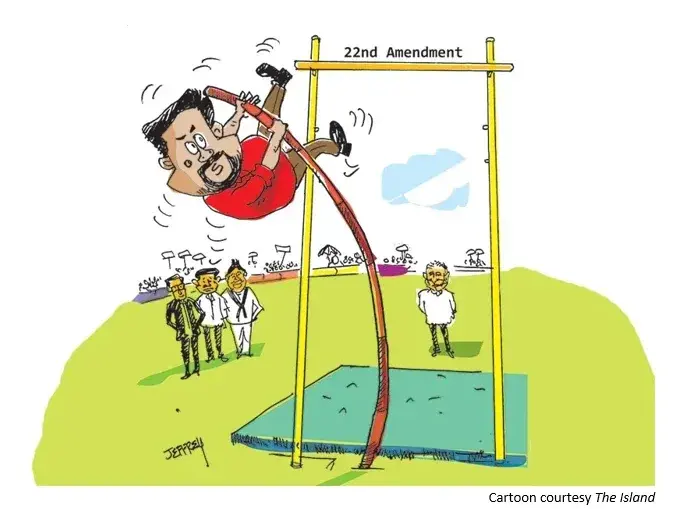
Has 22A become the govt.'s Catch-22?
Aug 27, 2026
Politics by Vishvanath
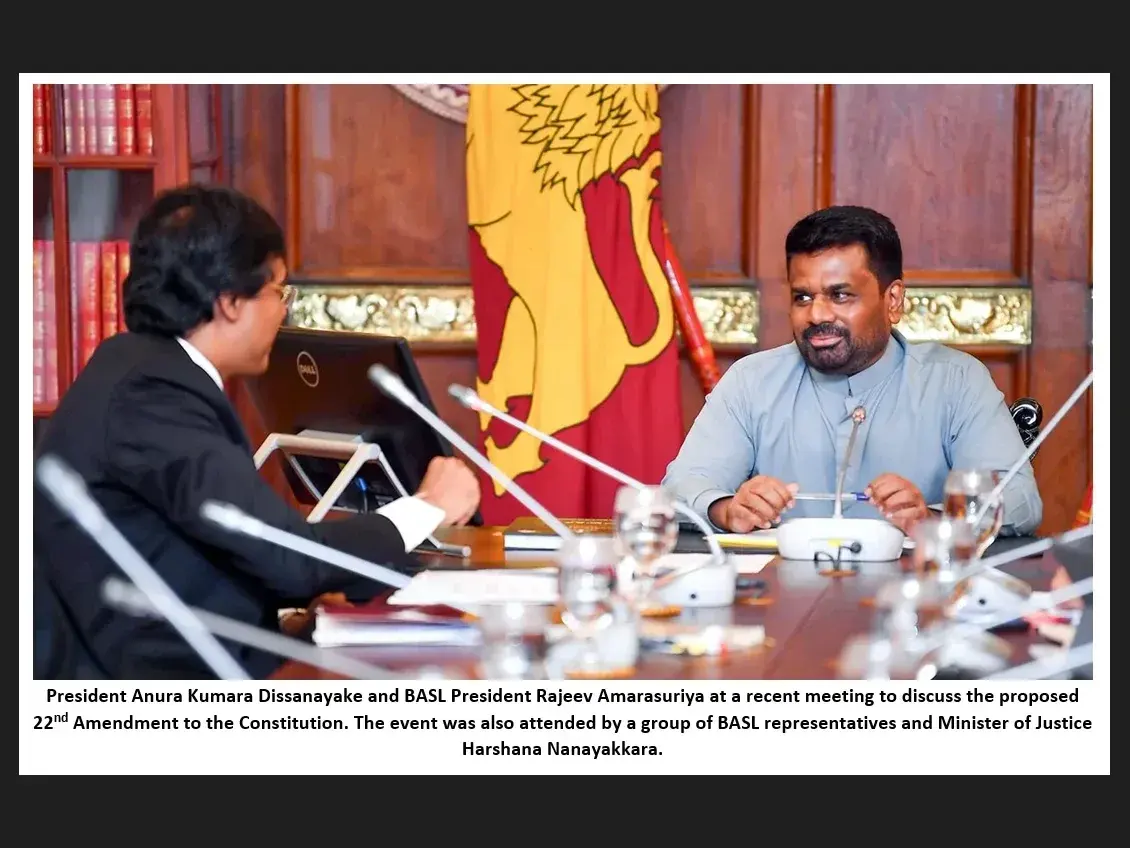
22nd Amendment: A huge political gamble for govt.
Aug 21, 2026
Politics by Vishvanath
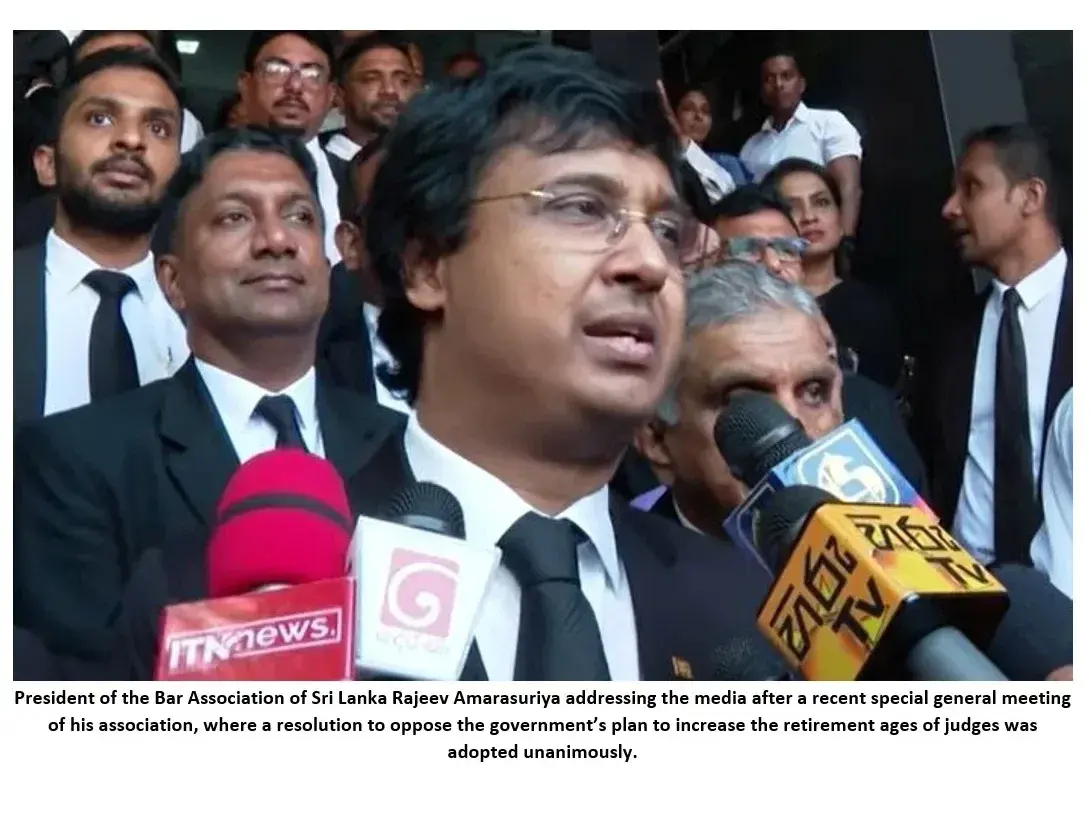
Move to raise retirement ages of judges: Options before govt.
Aug 05, 2026
Politics by Vishvanath
‘Cockroach’ uprising and echoes of Aragalaya
Jul 26, 2026