Politics by Vishvanath, Cover Story
Has dissent in SJB reached breaking point?
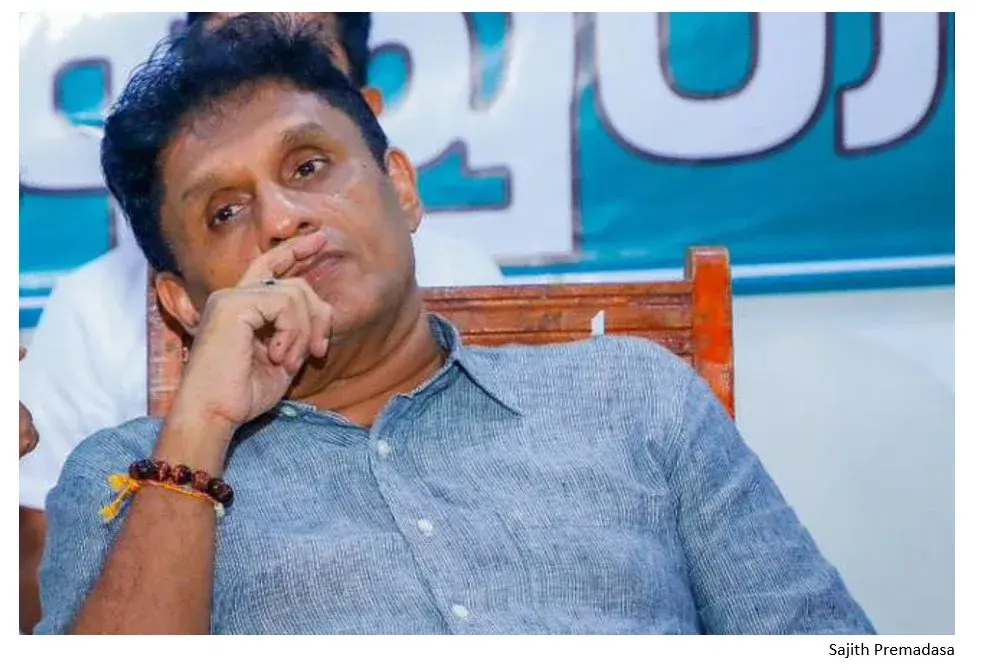
By Vishvanath
It is well-nigh impossible to separate facts from propagandistic mistruths, half-truths and lies in this day and age, when fake news has become the norm in the digital realm. The government propagandists are in overdrive, these days trying hard to shore up the NPP’s approval ratings, and prevent the Opposition from recovering lost ground. They are floating various stories about internal disputes in the Opposition parties. It is against this backdrop that speculation and rumors that Sajith Premadasa is facing a formidable challenge to his party leadership and his position as the Opposition Leader should be viewed.
The SJB is not without dissension within its ranks owing to its back-to-back electoral defeats and the not-so-inspiring leadership of Premadasa. Some SJB seniors have taken exception to the manner in which the party’s vital decisions are taken and implemented; they complain that a coterie consisting of the family members and loyalists of Premadasa overrules the decisions they take collectively. Moreover, PR is not one of Premadasa’s strengths. He does not seem adept at managing group dynamics.
Leadership disputes are common to all political parties that are on prolonged losing streaks. There have been instances where the UNP and the SLFP and alliances led by them suffered crippling splits while they were in power. C. P. de Silva and 12 others crossed over to the Opposition from the SLFP government in 1964 over that administration attempt to take over the Lake House. The socialist allies of the SLFP left the United Front government (1970-77), while it was in power. An influential section of the UNP government broke away in 1992 to form the Democratic United National Front. The SLFP-led People’s Alliance (PA) government collapsed due to crossovers in 2001. The SLPP was ensconced in power, when a group of its MPs voted with their feet and remained as independent members even before the 2022 economic crisis.
Leadership struggles tend to develop into crippling internal conflicts, even causing splits. The UNP, the SLFP, the SLPP and the JVP have experienced such debilitating breakaways over leadership issues. So, there is no guarantee that the SJB will be free from a leadership struggle and splits in the future. Anything is possible in politics. But the situation in the SJB at present does not look so serious as to threaten Premadasa’s leadership and cause a split in the party. The ruling NPP is also not without internal problems. There is said to be tensions between the JVP members and the non-JVP members of the NPP.
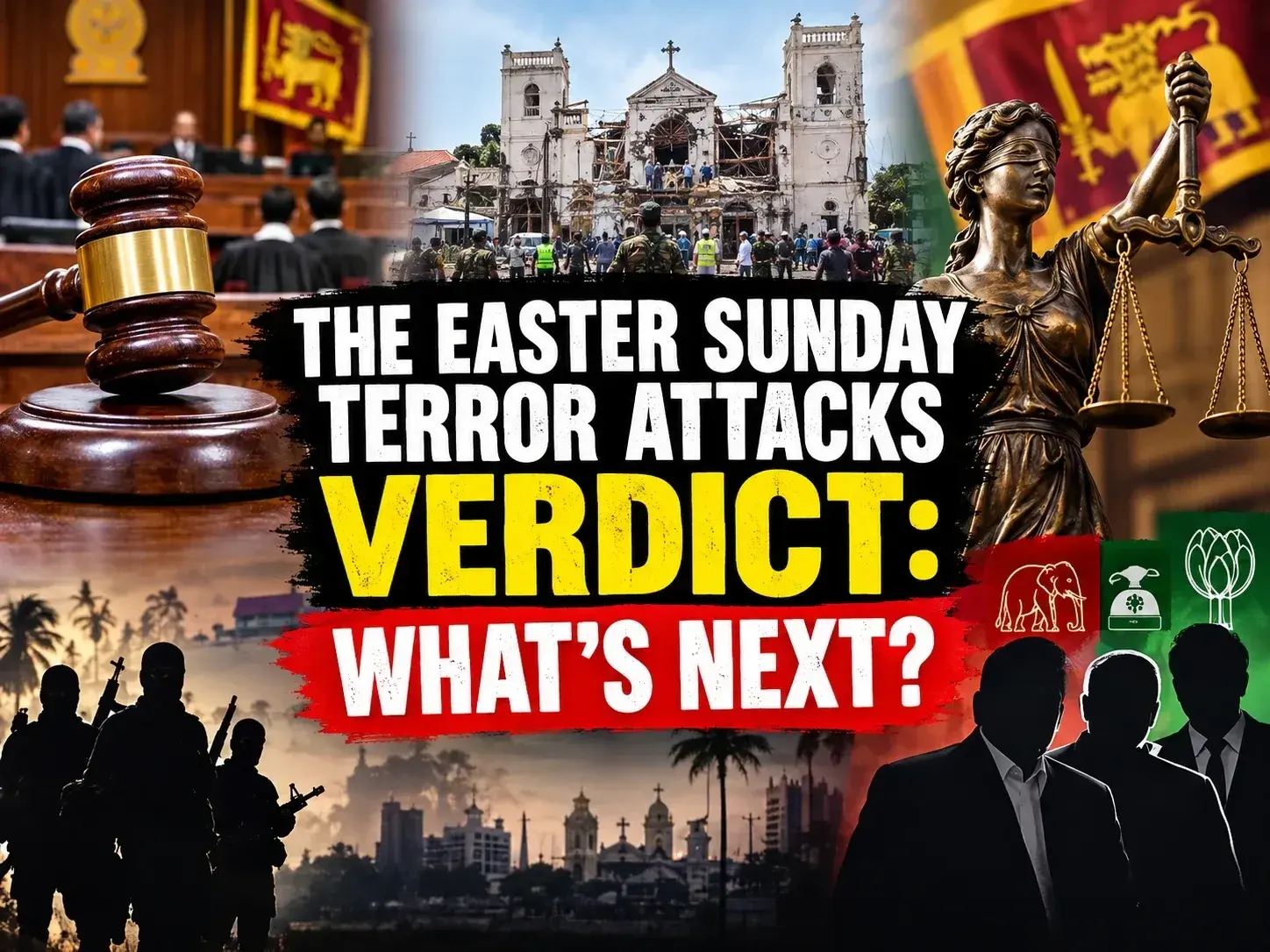
Premadasa may not be a charismatic leader, but he alone cannot be blamed for the SJB’s electoral defeats. Odds have been stacked against him and his party since its formation in 2020. No election has been held under normal circumstances since 2019, when the Easter Sunday attacks happened, ruining the UNP's chances of winning any election. The UNP-led Yahapalana government failed to prevent the terror strikes, and the SLPP was able to catapult national security, which was their leaders’ long suit, to the centre-stage of politics again, paving the way for the war-time Defence Secretary Gotabaya Rajapaksa’s victory in the 2019 presidential election, which was held a few months after the terrorist bombings that claimed about 277 lives and left hundreds of others injured. So, it was only natural that the UNP’s presidential candidate Sajith Premadasa lost to Gotabaya. The general election that followed turned out to be a walk in the park for the SLPP, which secured 145 seats and mustered a two-thirds majority in the parliament by engineering several crossovers from the Opposition. The SJB obtained 45 seats within months of its formation. That was no mean achievement for a new political party.
Then came the economic crisis (2022), which became the SLPP’s undoing, and paved the way for Aragalaya and led to UNP leader Ranil Wickremesinghe’s fortuitous ascent to the presidency and the meteoric rise of the JVP-led NPP in national politics. The situation the country found itself in at the time was the politico-economic version of a mega tsunami. Public resentment at the political parties that had governed the country, and their breakaway groups spilled over on the streets. The JVP-led NPP ‘took the tide at the flood’ and went on to win the presidency albeit not outright, and sweep the parliamentary polls in quick succession in 2024. However, it could not maintain its performance at the same level in the May 06 local government (LG) polls. Thus, it is no surprise that the SJB has not been able to win elections since 2019 although it has been able to recover lost ground to some extent, as evident from the outcome of the LG elections.
The JVP could not win a single election for 60 years until extraordinary circumstances enabled it to savour power last year. The SLFP was in the political wilderness for 17 long years after its humiliating defeat in the 1977 general election. It took seven years for the UNP to recover from the electoral shock it suffered in 1970; and it was after seven years it formed a government following its defeat in 1994. The SLFP-led People’s Alliance won a general election and a presidential election in that under Chandrika Bandaranaike Kumaratunga’s leadership, but it victory was more due to the debilitation of the UNP caused by the assassination of its leader President Ranasinghe Premadasa, splits and political upheavals that the assassination of Lalith Athulathmudali triggered in early 1993, rather than the change of the SLFP leadership. The UNP toppled the PA government and won a general election in 2001, but could not retain its hold on power and lost the 2004 parliamentary polls, which the then President Kumaratunga advanced. However, the UNP was instrumental in defeating war-winning President Mahinda Rajapaksa’s UPFA government, which had a two-thirds majority, in 2015 and regaining power.
Political parties face ups and down in electoral politics, and make comebacks under the same leaders, as the JVP-led NPP has done with Anura Kumara Dissanayake as its leader. Somawansa Amarasinghe resigned as the JVP leader in 2015 in a huff, and formed a new party, the People’s Servants Party in the same year. The change of leadership did not help the JVP improve its performance in the subsequent elections until the economic crisis, Aragalaya, and damning allegations against the SLPP leaders upended electoral politics. During the heyday of the SLPP, whoever would have ever thought Wickremesinghe, who lost his own seat in the 2020 general election, and Dissanayake, whose party had only three seats in the parliament, would ever secure the presidency?
A challenge to Premadasa’s party leadership and position as the Opposition Leader is very likely to emerge if the SJB fails to improve its performance significantly in the Provincial Council polls expected in early 2025.
RELATED NEWS
View all
Politics by Vishvanath
Has 22A become the govt.'s Catch-22?
Aug 27, 2026
Politics by Vishvanath
22nd Amendment: A huge political gamble for govt.
Aug 21, 2026
Politics by Vishvanath
Move to raise retirement ages of judges: Options before govt.
Aug 05, 2026
Politics by Vishvanath
‘Cockroach’ uprising and echoes of Aragalaya
Jul 26, 2026