Current Affairs
In the West, Protestantism is losing both laymen and priests to Catholicism
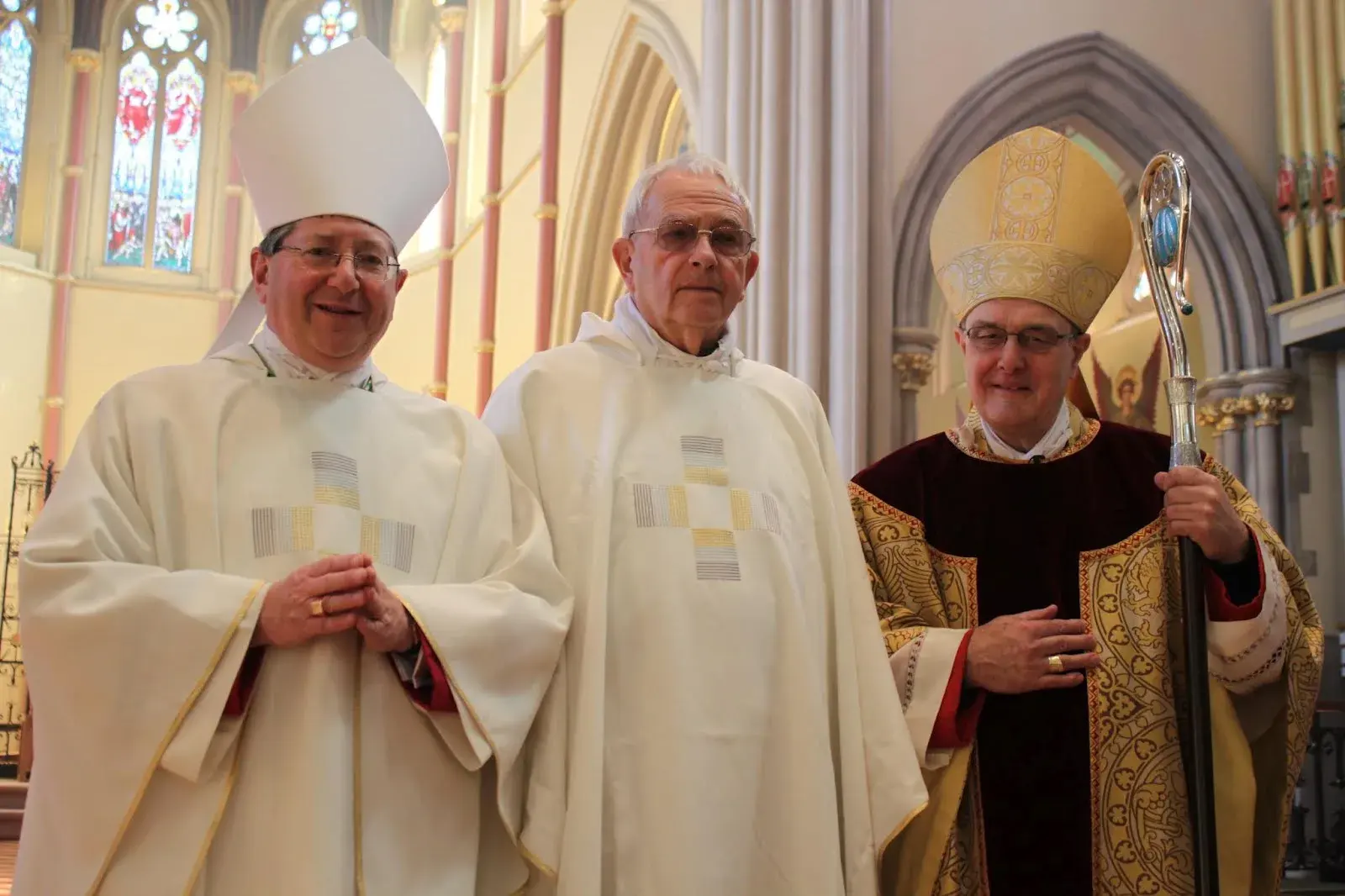
The push factor is the spiritual vacuum in the Anglican ecosystem and the pull factor is the promise of a clear and firm belief system in the Catholic church.
By P.K.Balachandran
Studies indicate a surge in the conversion of people from the Anglican and other Protestant churches to the Catholic church in the UK and the US. The converts are mainly young people but there is also a growing number of ordained Anglican priests among them.
Anglican priests desiring conversion are increasingly using a new facility in the Catholic church to retain their priesthood and marriages even after joining the Catholic clergy.
Accretions by the Catholic church signify a growing conviction that it is more relevant to the emerging socio-cultural conditions in the Western society which is marked by a feeling of alienation due to a spiritual vacuum. People in the West, especially the youth, find no spiritual fulfilment in the current situation where there is either indifference or disdain about religions and a feeling of being rudderless. This is attributed to a lack of belief, certitude and direction from existing religious authorities.
The most common impetus for the young to enter the Catholic church is the realization that the world cannot provide them with any moral order. A culture of license has left them unmoored.
It has been observed that in an age of moral confusion and cultural uncertainty, people are drawn to those who believe what they say—who live and speak as if their core convictions are real and unshakable. It is said that this, more than anything, may explain the quiet shift to Catholicism now unfolding in the UK.
Church Attendance
In the UK, for the first time in centuries, the Catholic Church now surpasses the Church of England in active attendance. Among the young, Catholics outnumber Anglicans. In London, the shift is even more pronounced. The tide is turning. But it’s not turning towards “trendy liturgies or progressive theology”, but towards the “clarity, continuity, and conviction in the Catholic church.”
The Catholic church is not democratic. Its defenders say that in this age when society is debating everything—from truth to gender to morality—there is something profoundly reassuring about a church that does not budge from its core beliefs. Certitude is seen in beliefs such as women cannot be priests, abortion is immoral, and gender fluidity is an abomination. People may not share these beliefs, but they are drawn to their clarity, it is said.
Sociologists have long observed that even those with a patchwork of spiritual beliefs are more likely to attend—and remain in—churches where the leaders speak and act with clear, unwavering conviction. Islam has the same certitude and is attracting adherents because of that.
Another attraction in the Catholic church is the form of worship. Its colourful rituals, holy days, feasts, moral expectations, communal identity, fellowship trough shared socio-religious community activities make it a living thing.
Conversions are happening in the intellectual elite. Writers, scholars, and public figures like US Vice President J. D. Vance are getting serious about Catholicism.
Conversion of the Clergy
Andy Drozdziak, writing in www.ewtn.co.uk, says that a third of the recent catholic priests in England are Anglican converts. A report entitled “Convert Clergy in the Catholic Church in Britain,” released November 20, shows that about 700 clergy and religious of the Church of England, Church in Wales, and Scottish Episcopal Church have been received into the Catholic Church since 1992. The number includes 16 former Anglican bishops. This equates to a third of all Catholic priests ordained in England and Wales during this period.
Speaking to Catholic News Agency (CAN) the co-author of the report Stephen Bullivant, Professor of Theology and the Sociology of Religion at St. Mary’s Catholic University, London, identified two “big waves” in the conversion of the Anglican clergy. First was the Church of England’s general synod vote in 1992, which enabled women to be ordained as Vicars, and the second was the visit of Pope Benedict XVI to Britain in 2010.
The Pope’s high-profile visit was preceded by the apostolic constitution “Anglicanorum Coetibus” which permitted the creation of “personal ordinariates for those Anglican faithful who desire to enter into the full communion of the Catholic Church in a corporate manner.”
Over 150 Anglican clergy entered full communion with the Catholic Church in 1994, and more than 80 in 2011, the year after the Papal visit, when the “Personal Ordinariate of Our Lady of Walsingham” was formally introduced.
“I think a lot of people are feeling unsatisfied with their experience in the Protestant churches,” he said. “And I think a lot of young people are seeking community and they’re seeking purpose — and they’re finding that in the Catholic Church,” Bullivant said.
Interestingly, to smoothen the process of integration, the ordinariate enabled former Anglicans to retain their Anglican heritage and customs when entering full communion with the Catholic Church.
In the US
Parishes and Catholic churches across the US are seeing record numbers of people rushing to convert to Catholicism, according to published reports. In 2024, some dioceses reported surges of 30%, 40%, 50%, and even more than 70%, according to the National Catholic Register and the Catholic News Agency.
According to The Register, the Diocese of Fort Worth, Texas, stood out as the figure of converts there climbed from 896 at Easter 2023 to 1,544 at Easter 2024, an increase of 72%.
Jason Whitehead, director of Evangelization and Catechesis for the Diocese of Fort Worth, told The Register that main reason for the conversion is the energy shown by catechists.
Keeping the Priesthood While Converting
An Anglican (or other Protestant) priest who wishes to become a Roman Catholic priest can do so through a special process established by the Holy See. The rules are different depending on whether the man is unmarried or married.
The unmarried Anglican clergy follow the normal path of any Catholic convert who wants to become a priest. They enter the Catholic Church (usually through the Rite of Christian Initiation or a profession of faith); discern a vocation with a Catholic diocese or religious order; enter a seminary; receive the holy orders as a Catholic priest under the universal discipline of mandatory celibacy.
The married Anglican clergy follow Pope Benedict XVI’s apostolic constitution Anglicanorum Coetibus (2009) and its implementing norms. Married former Anglican (or other Protestant) ministers can be ordained as Catholic priests while remaining married. This is a rare derogation from the Latin Church’s general rule of celibacy.
If he belongs to a group using the Anglican liturgical tradition, he may enter through the Personal Ordinariate (Ordinariate of the Chair of St. Peter in North America, Our Lady of Walsingham in the UK, Our Lady of the Southern Cross in Australia, etc.). He applies to the local Catholic bishop or the Ordinary of the Personal Ordinariate. His previous ministry, theological education, and good standing are evaluated.
The diocese/ordinariate forwards the request to the Dicastery for the Doctrine of the Faith (formerly Congregation for the Doctrine of the Faith). Almost all such requests from former Anglican or Protestant ministers are granted.
The converting priest goes through a formation program (usually 1–3 years) that covers Catholic theology, canon law, liturgy, etc. This can be shortened because of prior training. Once the dispensation is granted and formation is completed, he is ordained (first as a deacon, then as a priest).
He remains married and does not have to leave or separate from his wife. But the marriage must have taken place before ordination to the Catholic priesthood (convalidation in the Catholic Church is normally required if it was not originally a Catholic wedding). If his wife dies after his Catholic ordination, he may not remarry (he is now bound by the Latin-rite celibacy rule going forward).
Sexual continence is still required if the marriage has broken down irreparably, but the normal expectation is that he continues normal married life. A married Anglican priest who becomes Catholic almost always keeps his wife and family. He needs a dispensation, but it is routinely granted. He may not remarry if widowed after Catholic ordination. In the US, 120 married former Anglican priests ordained as Catholic priests as of 2025.
END
RELATED NEWS
View all

Current Affairs
Sri Lankan Presidential pardons- the good and the bad
Sep 11, 2026
Current Affairs
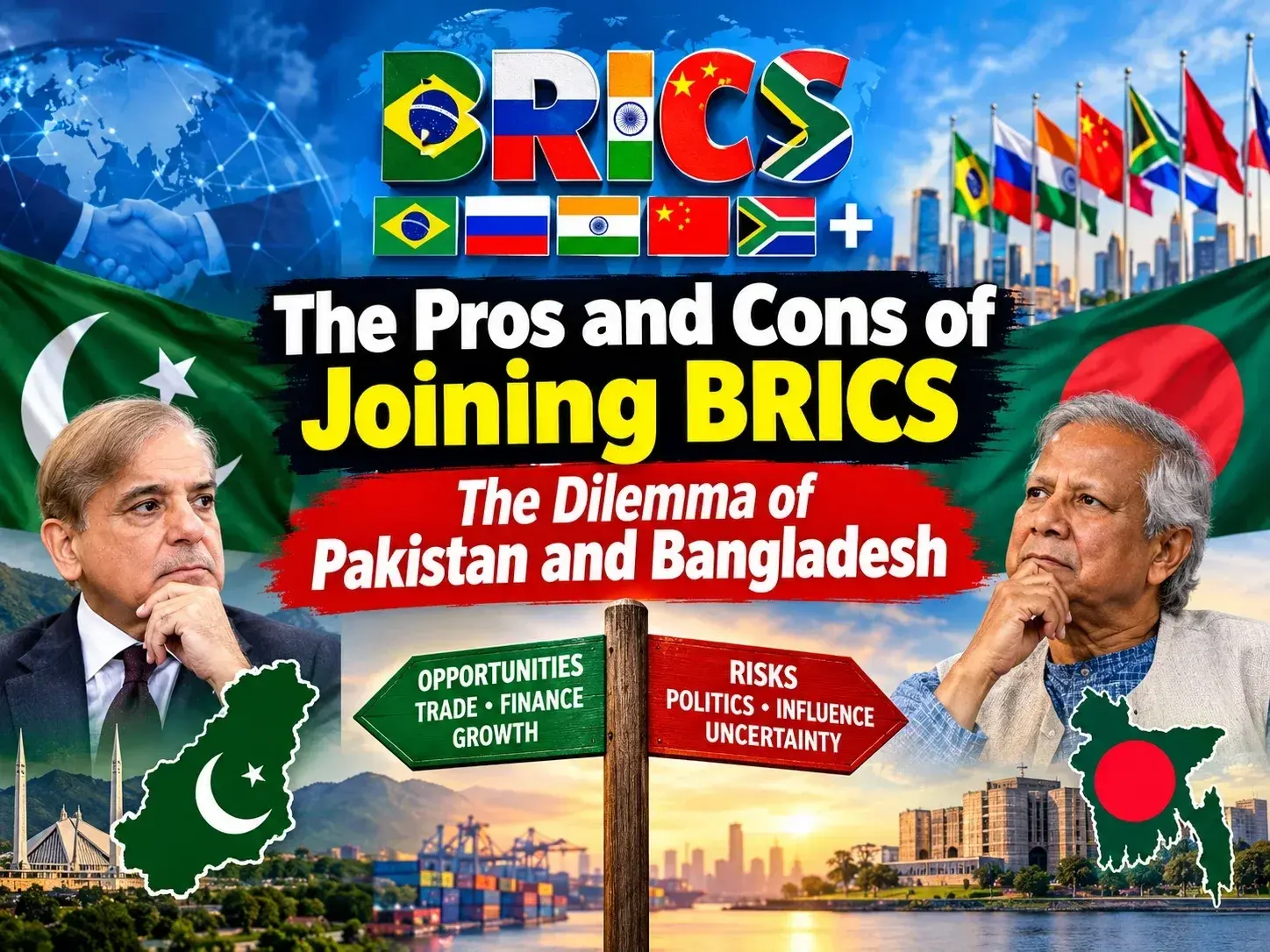
The pros and cons of joining BRICS- the dilemma of Pakistan and Bangladesh
Sep 09, 2026

Current Affairs
Disaster in Nepal gets embroiled in geopolitics.
Sep 08, 2026
Current Affairs
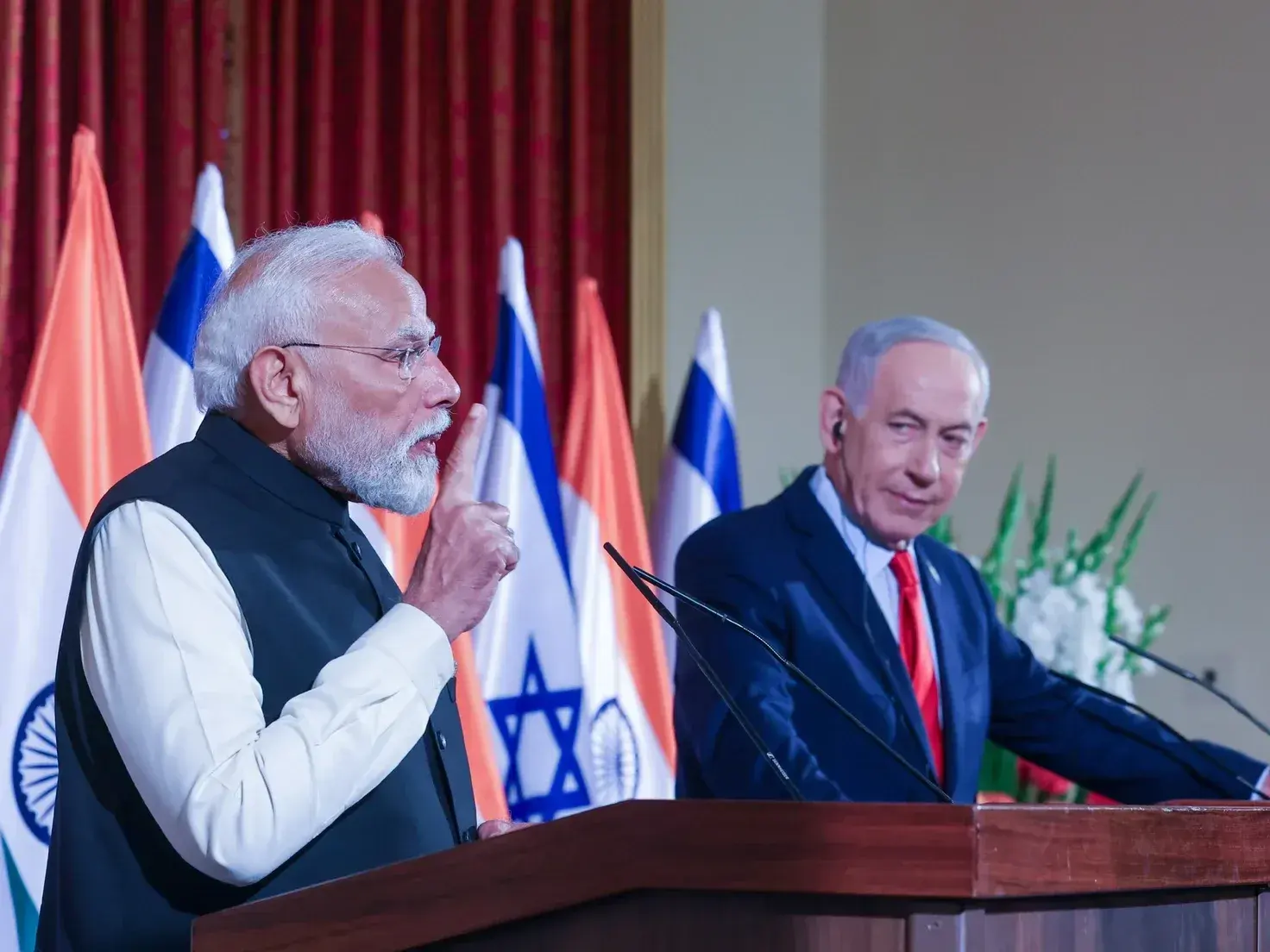
Why Mecca Pact, and what does it imply for its members, Israel and India?
Aug 18, 2026