Politics by Vishvanath, Cover Story
NPP govt. bites off more than it can chew
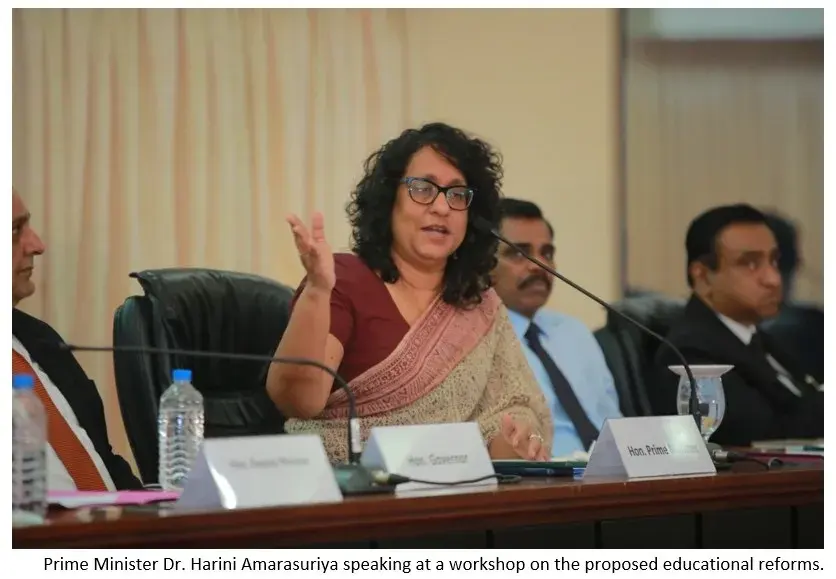
By Vishvanath
The biggest enemy of any government is not the Opposition but the so-called anti-incumbency factor, which has a corrosive effect on the ruling party’s popularity. Other negative factors, such as the abuse of power, corruption, cronyism, nepotism, failure to safeguard national security and public safety, attacks on democracy and broken promises give a fillip to the decline in a government’s approval rating.
The incumbent JVP-led NPP government has in its wisdom embarked on some ambitious missions too early instead of remaining intensely focused on resolving the economic crisis and making preparations for the resumption of foreign debt repayment in earnest in 2028. The Trump tariffs have made Sri Lanka’s economic recovery process even more uphill. The NPP and Sri Lankans will be happy if the US softens its stand and further reduces tariffs on exports from this country. Snowed under with high-priority tasks and responsibilities on the economic front, the government is spread too thin to take on more. Why it has chosen to bite off more than it can chew in other vital sectors is the question.
Prudence demands that a new government sans experience as such in governance, which is an art to be mastered, and a solid base capable of absorbing rude political shocks, relegate to the backburner ambitious projects, such as educational reforms aimed at introducing radical changes to key sectors. Such programs often run into resistance and provide a rallying point to the Opposition looking for issues to hold on to. Politicians and political parties out of power always take up pro-people positions on crucial issues and strike chords that resonate with the public, the way the JVP did for nearly six decades before capturing state power and having to practice what it had preached. The current SJB-led Opposition has launched an effective propaganda offensive against the government. In propaganda battles, especially those waged on social media, odds are always stacked against the ruling party.
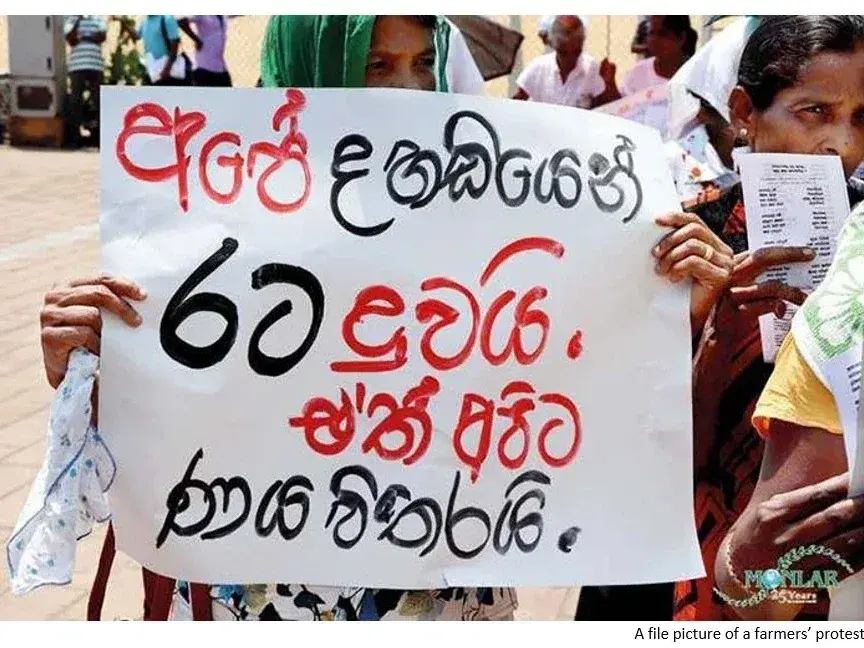
There are many more unpopular decisions the NPP government will have to make in a bid to keep the IMF bailout program on track. It has already jacked up tariffs and taxes in an unprecedented manner, much to the resentment of the public, and undertaken projects that are antithetical to its Marxist ideology, such as the power sector reforms, and the divestiture programs. Thousands of sugarcane farmers and tractor drivers staged a protest in Sevanagala on Sunday, accusing the government of trying to close down the state-owned Sevanagala sugar factory. The protesters have said their counterparts in Hingurana, etc., will also agitate unless the government gives a guarantee that the state-owned sugar factories will not be shut down, and take action to pay them their dues, which have gone into arrears.
The government has a long way to go before stabilizing the economy. Above all, it has had to make numerous about-turn to ensure the continuity of the policies and programs of the past governments it used to condemn as puppets of neoliberalism. An imputed rental tax is in the pipeline, and only the IMF knows what it will be really like. One thing however is certain; the new tax will take its toll on the government’s popularity and chances of maintaining its electoral performance at the 2014 level. The much-delayed Provincial Council elections are expected early next year, and it is doubtful whether the NPP will be able to do anything to impress the public.
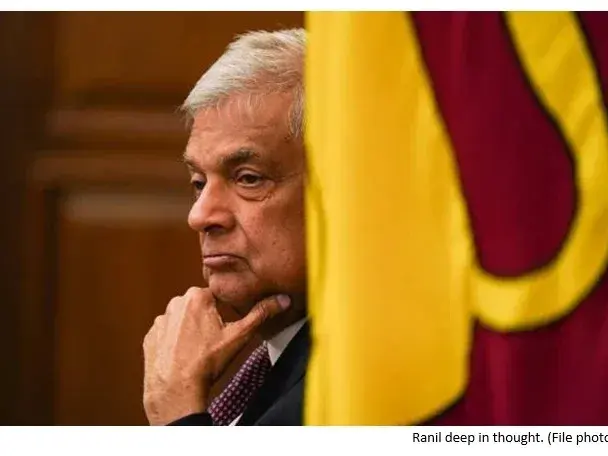
The SLPP-UNP government, under President Ranil Wickremesinghe’s stewardship, took some bold decisions, which stood the country in good stead. They included drastic measures to boost state revenue and curtail the outflow of foreign exchange. State expenditure was drastically reduced, tax and tariff increases sent the public reeling. Those measures yielded the desired results, and the economy began to expand earlier than expected. However, what makes economic sense is not necessarily political wise. President Wickremesinghe’s unwavering political leadership for the country’s economic recovery efforts did help him garner favor with votes, and he came a poor third in the last president race. There are political reasons why Wickremesinghe failed to win the presidency, but the fact remains that his contribution to the country’s economic recovery went unappreciated and did not make him popular enough to win elections. So, it will be a mistake for the NPP leaders to expect the public to express their gratitude for straightening up the economy in terms of votes at future elections, as can be seen from the NPP’s performance in the 06 May local government elections. It has had to close ranks with some of those it condemned as rogues to secure control of the hung councils where it has secured more seats than the runners-up but is without absolute majorities as such.
It may be recalled that President Mahinda Rajapaksa, who provided unwavering political leadership for defeating the LTTE, in 2009, could secure only 57% of votes. In the 1994 presidential election, the then Prime Minister Chandrika Bandaranaike Kumaratunga, who was without any significant achievements to flaunt, obtained 62% of votes also under extraordinary circumstances. Mahinda’s spin doctors, under Basil Rajapaksa’s supervision, carried out a propaganda drive to highlight Mahinda’s majority in the presidential election in terms of the number of votes (1.8 million), distracting the public from percentages. This shows how the Sri Lankan electorate behaves.
President Anura Kumara Dissanayake himself has indicated that the government is planning to close down some schools that have fewer than 50 or 100 students. The JVP let out howls of protests when previous governments shut down rural schools. It now stands accused of trying to sort out the shortage of teachers by closing down small schools. There is no gainsaying that the education sector, which has remained outdated needs reforms, but the government should get its priorities right, and act accordingly if it is to avert trouble on the political front. One may recall that not even the J. R. Jayewardene government with a five-sixths majority in the parliament could introduce the educational reforms in the early 1980s. Ranil Wickremesinghe was the Education Minister at the time. His education white paper led to widespread protests, and the government got cold feet.
The success of a government hinges on its ability to prioritize its tasks and accomplish them.
RELATED NEWS
View all
Politics by Vishvanath
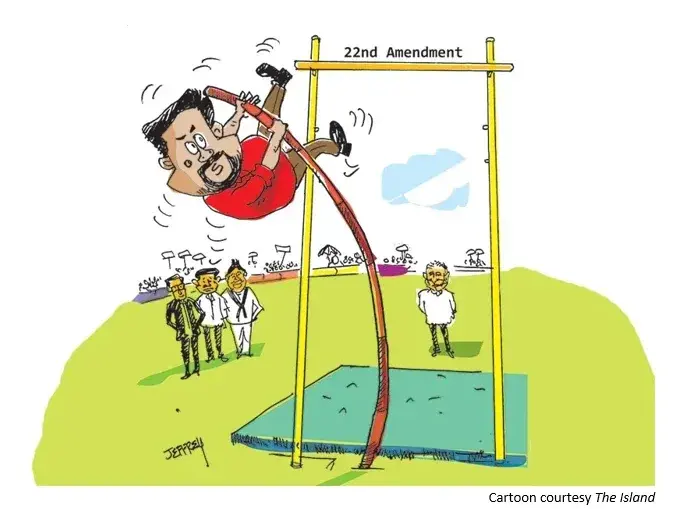
Has 22A become the govt.'s Catch-22?
Aug 27, 2026
Politics by Vishvanath
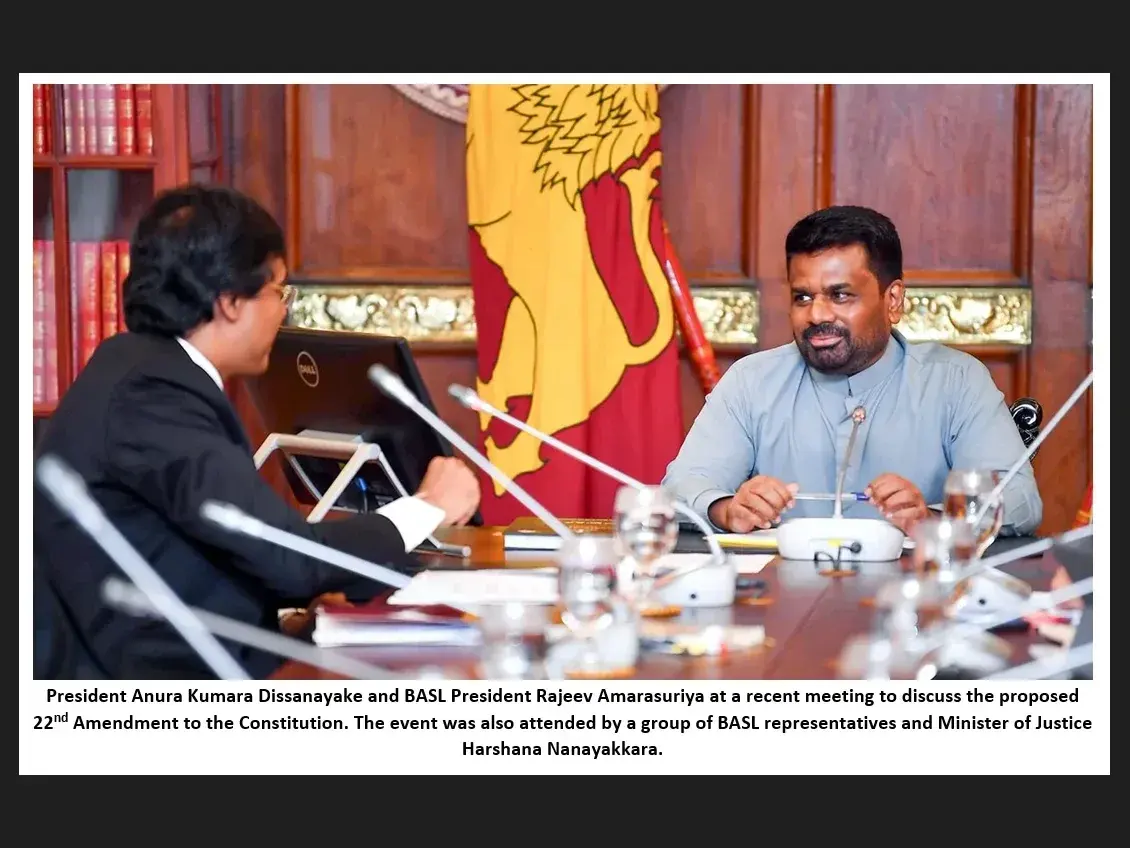
22nd Amendment: A huge political gamble for govt.
Aug 21, 2026
Politics by Vishvanath
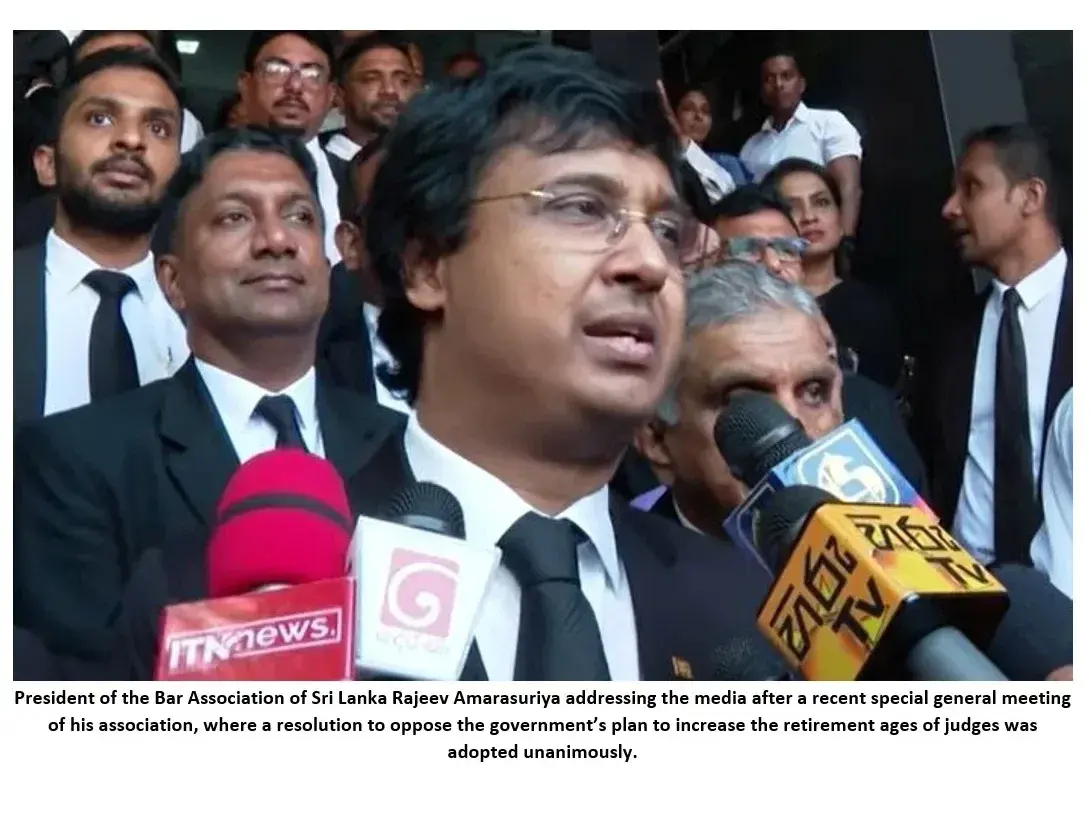
Move to raise retirement ages of judges: Options before govt.
Aug 05, 2026
Politics by Vishvanath
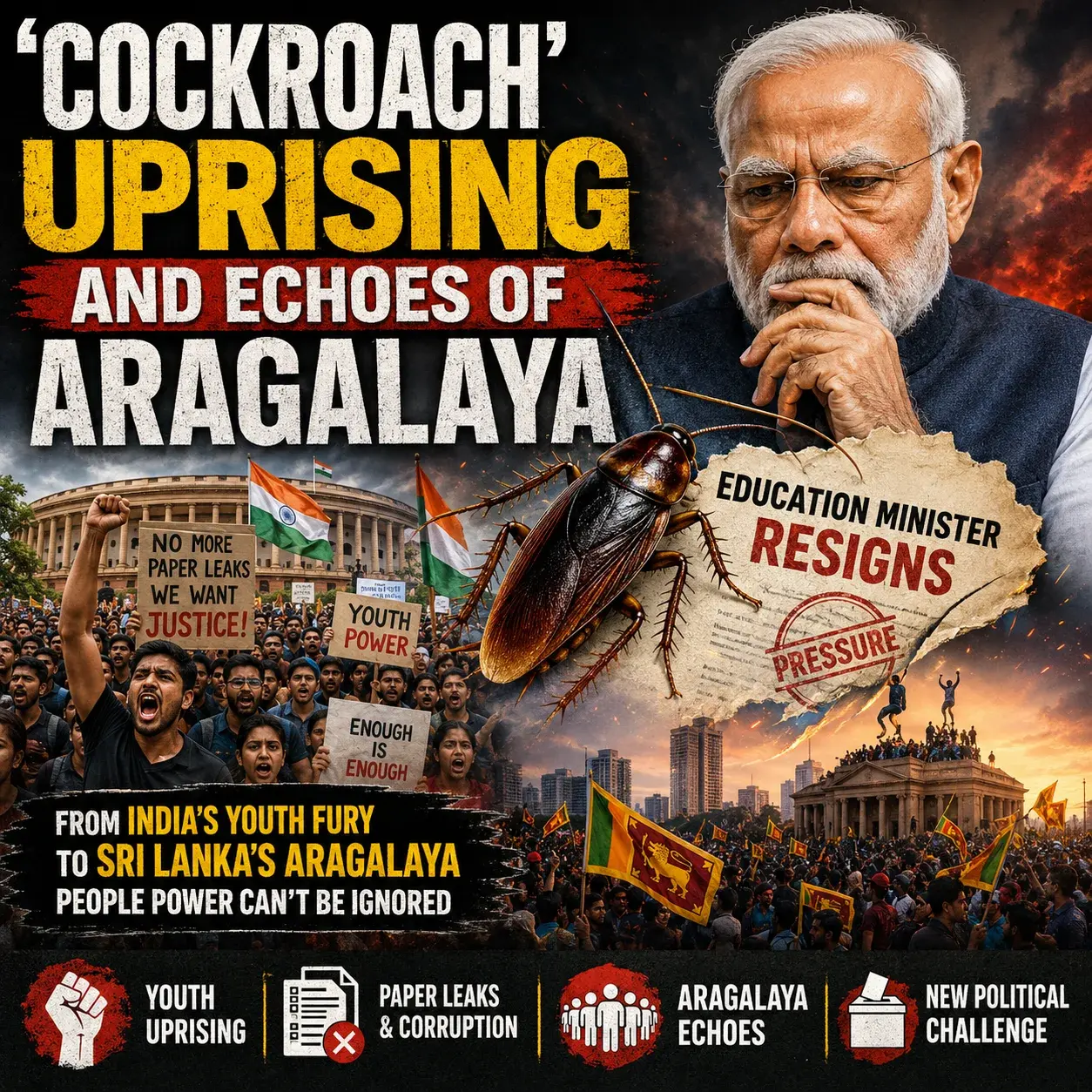
‘Cockroach’ uprising and echoes of Aragalaya
Jul 26, 2026