Politics by Vishvanath, Cover Story
Politics of crime-busting ops
By Vishvanath
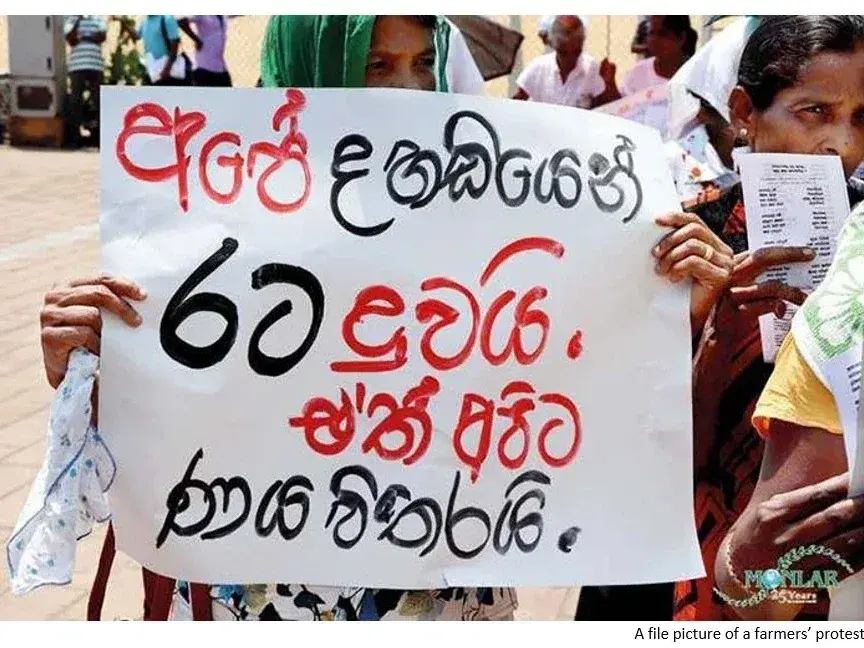
The NPP government is trying various methods to retain popular support and consolidate its hold on power vis-à-vis the Opposition’s determined bid to unsettle it. There isn’t much it can do on the economic front to impress the public to the extent of being able to shore up its approval rating significantly. The economy is not out of the woods yet; it is still in the recovery mode, and the task of straightening it up is a thankless one, for it requires drastic measures that cause immense hardships to the people, who are demanding relief. The government finds itself in an unenviable position having to raise its revenue substantially while keeping its expenditure low. Economic reforms which are a prerequisite for long-term economic wellbeing of the country have already run into stiff resistance, as evident from the protests against the proposed restructuring of the Ceylon Electricity Board.
The government is under IMF pressure to fulfil all bailout conditions fully to qualify for the next tranche of the extended fund facility and improve the country’s credit ratings so that it can borrow from the international market without paying premium interest rates on loans. Foreign debt servicing will commence in earnest in 2028, and the government will have to have enough forex reserves ready while taking measures to ensure that there won’t be another rupee-crisis. The government has had to run as fast as it can to stay in the same place on the economic front while pressure is mounting on it to make good on its promises to the electorate.
Worse, the government has the IMF breathing down its neck while preparing the 2026 Budget, which was initially expected to have a kind of election orientation amidst speculation that the long-delayed Provincial Council (PC) elections would be held early next year. Minister Vijitha Herath has said the PC polls will be held only after the completion of the delimitation process, which, the Election Commission says, will take at least one year.
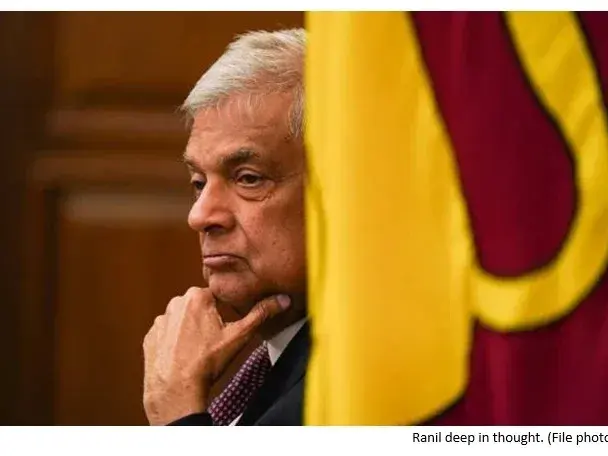
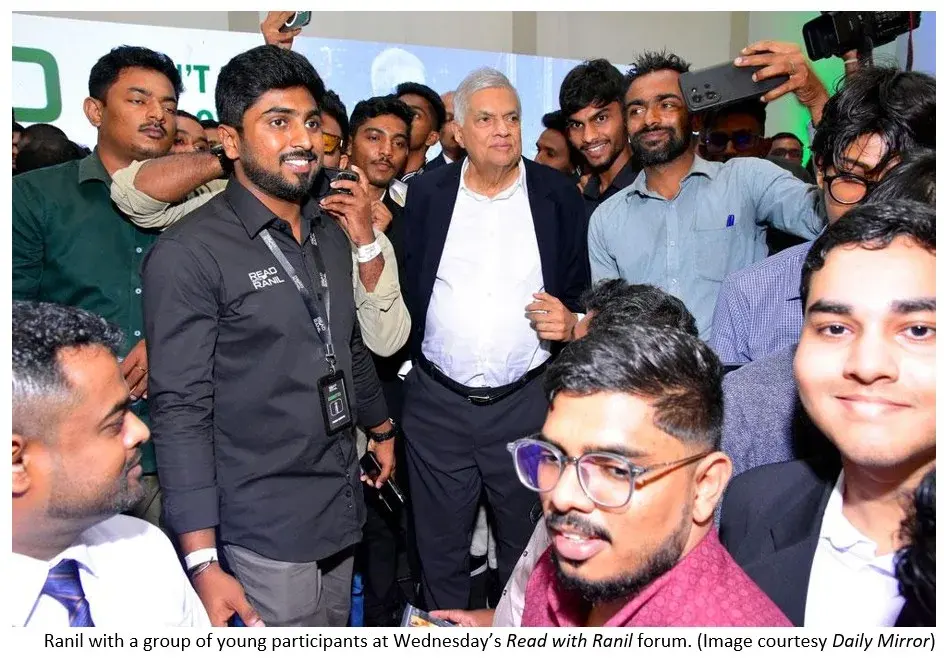
The fulfilment of the IMF conditions may help revive the economy, but it comes with a huge political cost. President Ranil Wickremesinghe played a pivotal role in containing the economic crisis, and achieving a positive growth after a couple of years besides making essentials freely available. He had to make a host of unpopular decisions to break the back of the economic crisis, and they included drastic tax and tariff hikes. He lost the presidential election last year, coming a poor third. Such is the political risk a government has to take in doing what needs to be done to turn the economy around. The incumbent government is under pressure to lower taxes and tariffs in keeping with election pledges.
Following the May 06 Local Government polls, which the NPP could not sweep, despite its landslide victory in last year’s general election, the government stepped up its anti-corruption campaign, and there were quite a few arrests and prosecutions. High-profile Opposition figures were summoned to the CID and questioned, and some of them were even remanded. Such action may have gladdened the hearts of those who want corruption to be eliminated branch and root, but it is extremely difficult to sustain the momentum of an anti-corruption drive, much less ensure that the cases will be conducted to a successful conclusion and the accused being incarcerated. After the 2015 regime change, the UNP-led Yahapalana government had many of its political rivals arrested and arraigned on corruption charges, but the majority of those cases collapsed. In the end, its anti-corruption mission became an unfinished mission, with many files on the then Opposition politicians and state officials remaining uninvestigated. The NPP government will have to prevent its anti-corruption campaign from suffering the same fate.
Unable to grant the public economic relief, the government has apparently sought to step up its anti-narcotic campaign with a view to increasing its popularity, which is believed to be on the wane. There have been several very successful high-profile drug busts, which made headlines. The government has also launched a propaganda campaign to vilify the key Opposition figures as beneficiaries of drug smuggling.
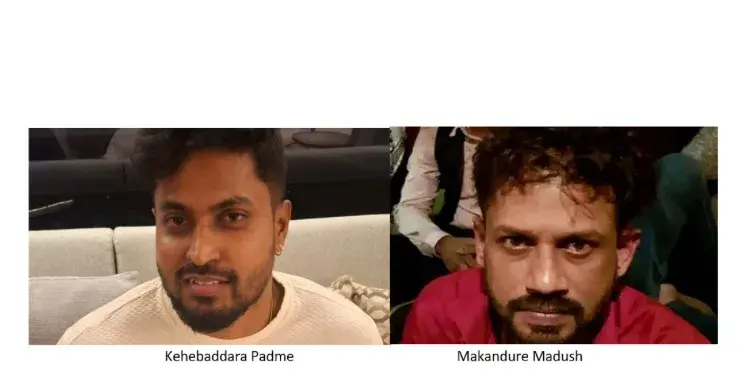
The NPP government is apparently doing exactly what President Maithripala Sirisena did to gain political mileage. A national campaign against drugs is to be launched shortly under the aegis of President Dissanayake, according to media reports. The government has sought to make the most of the repatriation of an underworld figure, Kehelbaddara Padme and some of his associates, arrested in Indonesia a few weeks ago; they are responsible for drug smuggling and a large number of other crimes committed in this country over the past few years. But it made a mistake by creating a media event when the gangsters were brought back. It turned out to be a kind of ropaganda overkill.
In February 2019, Makandure Madush, a more powerful underworld figure than Kehelbaddara Padme, was arrested in Dubai and brought back, under President Sirisena’s watch. There was no political circus. Madush had masterminded many underworld attacks here from Dubai, and his arrest led to a temporary drop in underworld activities. But such voids do not last long in the underworld. Other criminals move in to fill them.
President Sirisena relied on the success of his war on drugs to improve his approval rating and prepare the ground for his re-election bid. He flaunted his successful drug-busting ops at international fora, and even met the then President of the Philippines Rodrigo Duterte, who had drug dealers physically eliminated. Sirisena was apparently planning to use his war on drugs as a launch pad for his re-election bid. But his plan went awry a few months later due to the Easter Sunday terror attacks, which his government failed to prevent despite having received prior warnings. It may be recalled that his knee-jerk reaction to the Easter Sunday carnage was to claim that he suspected that the drug dealers who had ganged up against him due to his campaign against them had a hand in the terror attacks.
Not all campaigns against the underworld yield positive results. Some of them run out of steam and prove counterproductive. Operation Yukthiya, conducted during the previous government, is a case in point. The police took into custody a large number of suspects and a considerable amount of narcotics, but there were alleged excesses on the part of the police. IGP Deshabandu Tennakoon, who personally oversaw the operation, lost his job. The challenge before the incumbent government is to avoid such pitfalls. Whether the ongoing war on drugs will yield the desired results is a matter of conjecture.
RELATED NEWS
View all
Politics by Vishvanath
Has 22A become the govt.'s Catch-22?
Aug 27, 2026
Politics by Vishvanath
22nd Amendment: A huge political gamble for govt.
Aug 21, 2026
Politics by Vishvanath
Move to raise retirement ages of judges: Options before govt.
Aug 05, 2026
Politics by Vishvanath
‘Cockroach’ uprising and echoes of Aragalaya
Jul 26, 2026