Current Affairs
Strains between centre and periphery are now a global phenomenon
By PK.Balachandran
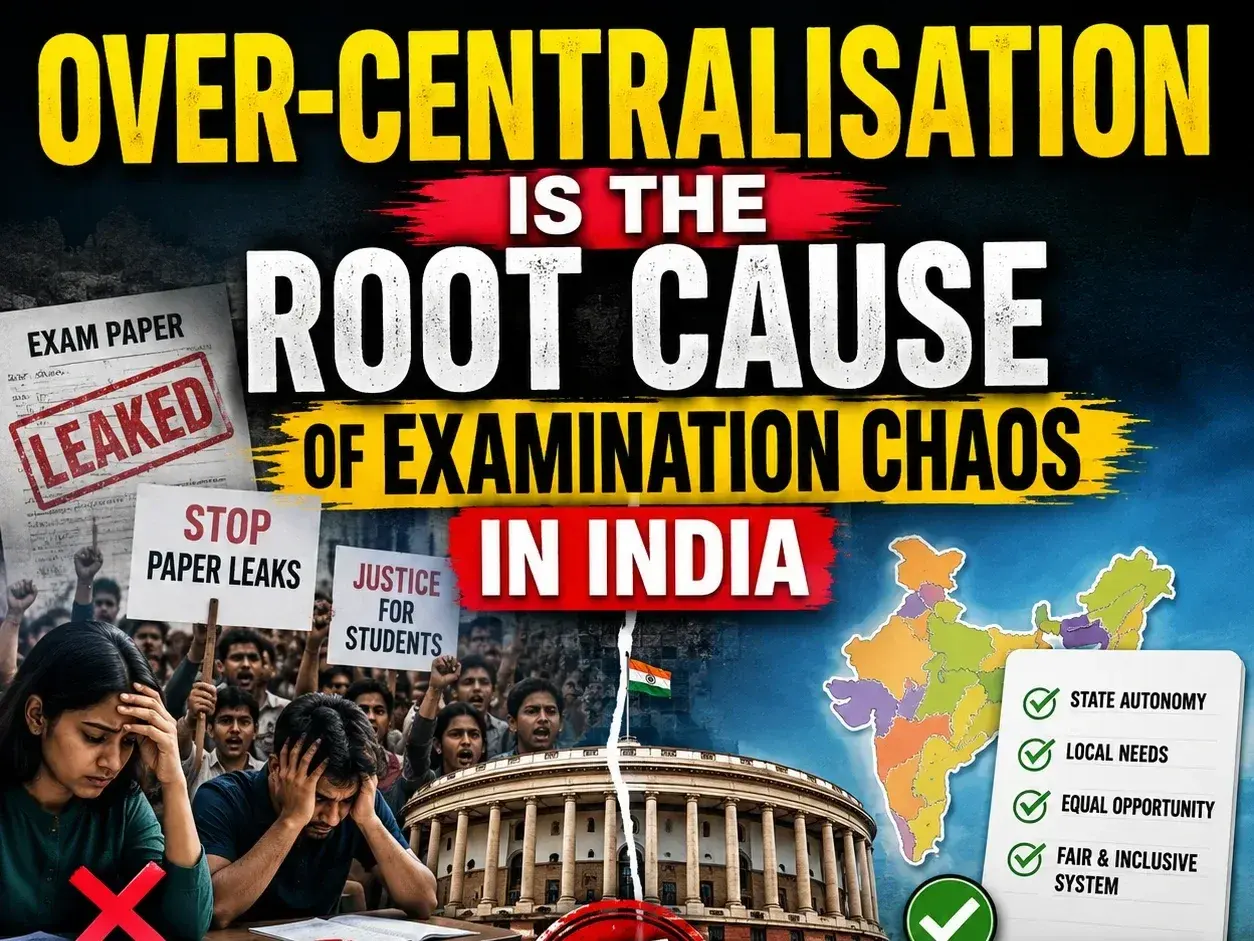
Colombo, October 3 – The world over, countries have been experiencing strains between the power centre and peripheral regions, resulting in agitations, and in some cases, even secession. These are attributed to political and economic imbalances brought about by domestic and/or global factors. Developed as well as developing countries have experienced centre-periphery conflicts.
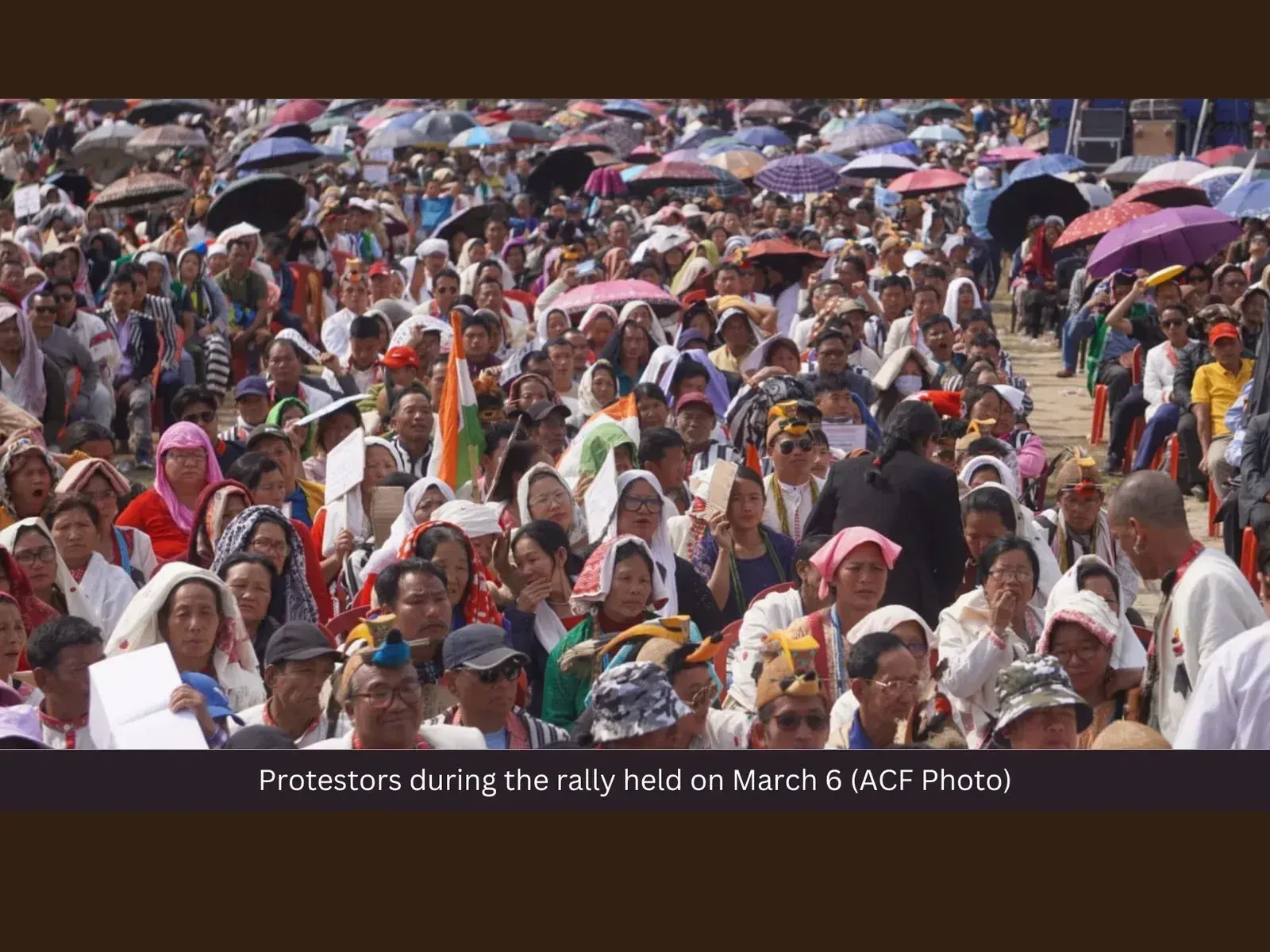
To take South Asia first, in Ladakh, in the far north of India bordering Pakistan and China, the tribal Ladakhis have been agitating for provincial status with a locally-elected legislature and for protections granted under the Sixth Schedule of the Indian constitution. Ladakhis had been agitating also against alleged plans by the Centre ( New Delhi) to parcel out scarce land to big corporates for exploitation in the name of development.
A hunger strike by a local activist Sonam Wangchuk, sparked violence in which four locals were killed in police firing. Though violence has ceased, the embers of alienation are still burning as Wangchuk was remanded under the draconian National Security Act.
The centre has been wanting to keep a tight grip on Ladakh as it has a long border with hostile China and Pakistan. Giving autonomy to Ladakh by granting Statehood, is considered detrimental to national security. But denying it has also spelt trouble, enhancing the security threat.
Earlier, the North-Eastern Indian State of Manipur was on fire for two years as New Delhi kept turning a deaf ear to the demand of the Meite people for tribal privileges.
In the 1950s and 1960s, the Naga and Mizo tribes in North East India felt alienated from mainstream India due to ethnic, religious and political factors. It took decades of military action by the Centre to crush the armed secessionist movements there.
In the 1950s, Madras State in South India was the scene of a movement to establish an independent “Dravida Nadu” as the Tamils were complaining of linguistic and economic discrimination by the centre located in New Delhi. But in the 1960s, following a violent agitation, the centre gave up the policy of imposing Hindi language on the Tamils which resulted in the dissipation of the separatist sentiment.
In the 1970s, Sikhs in North-Western India felt discriminated against on religious, linguistic and territorial grounds. The secessionist Khalistan movement had to be put down by force.
In the 1970s, mass migration of Bengali-speaking Muslims from East Pakistan/Bangladesh threatened the demographic pattern and politics in the North-Eastern State of Assam. A violent separatist movement came to an end through the “Assam Accord” which put curbs on immigration.
In Pakistan, the people East Pakistan complained of linguistic and economic domination by West Pakistan and began a struggle which ended in 1971 with the emergence of an independent Bangladesh.
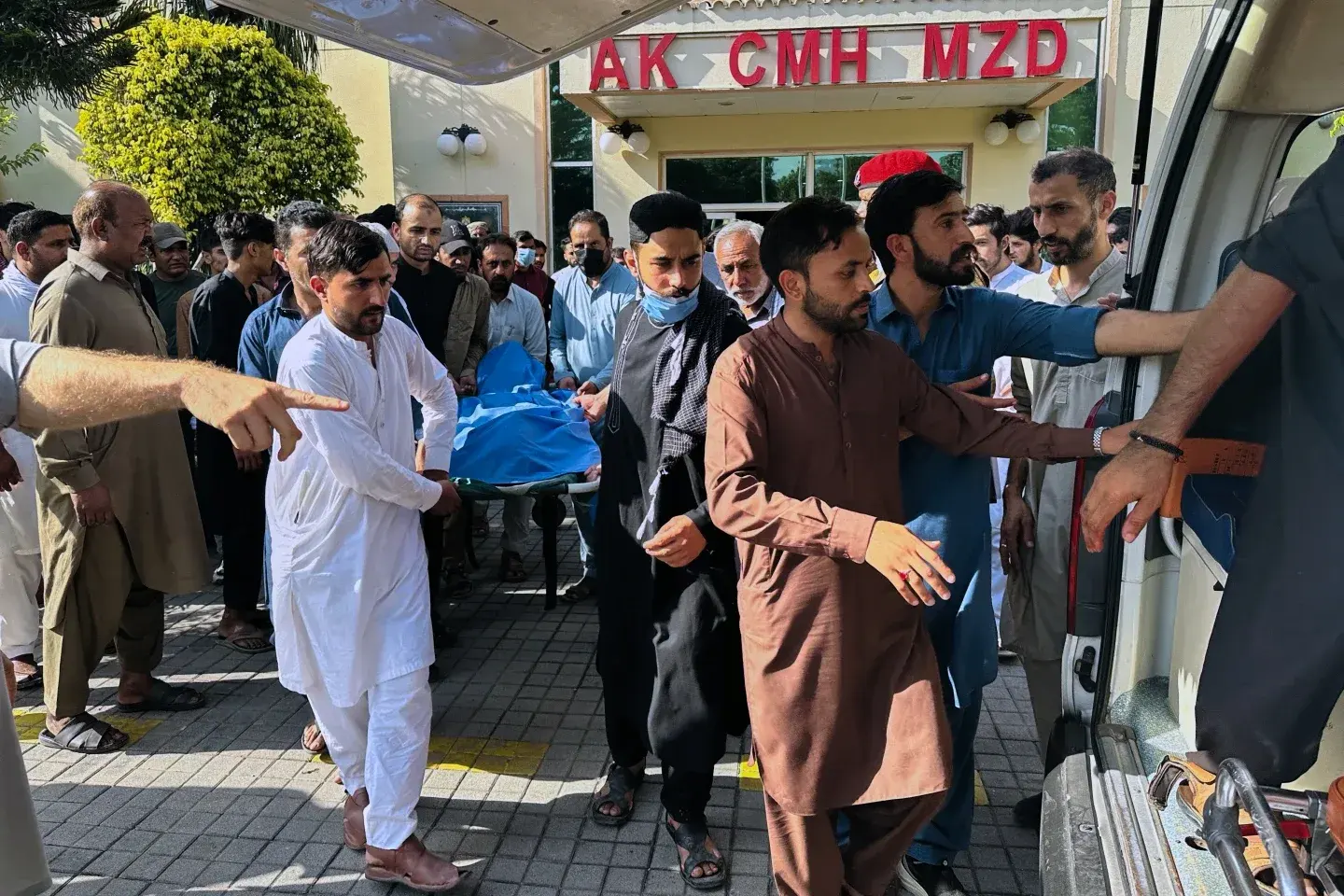
Peripheral regions in Pakistan, like Balochistan and Azad Kashmir have been at loggerheads with the centre at Islamabad over charges of exploitation and discrimination. There is an insurgency in Balochistan. In Azad Kashmir, nine people were killed in a recent agitation demanding removal of perks for ruling elites, the abolition of 12 provincial assembly seats reserved for Kashmiri migrants from India, and payment of royalty from local hydel power projects.
In Maldives, the people of Addu atoll in the South, who had close relations with the UK on account of the existence of an RAF base in Gan island, complained of discrimination by the power centre located in Male. A secessionist movement that was launched failed.
Sri Lanka had a long armed conflict between the Centre at Colombo and the periphery comprising the Tamil-speaking Northen and Eastern provinces. The conflict ended in 2009 with the defeat of the militant Tamil Tigers. But the political divide continues.
In Myanmar, there has been a decades-long armed conflict between the centre, ruled by the Buddhist Bamar majority, and the Christian tribals in the North bordering China, Bangladesh and India. The denial of basic rights to the Muslim Rohingyas in Rakhine province bordering Bangladesh, led to the flight of a million Rohingyas to Bangladesh.
Alienation of the periphery from the centre exists in the developed Western world also. In the US, Donald Trump has become the voice of the White unemployed or under employed who complain about immigrants taking away or eating into their due as locals. Under Donald Trump, the White majority, being the centre, is dictating terms to the non-White, leftist and immigrant periphery with threats of coercion.
In highly developed Norway, where there is a fair amount of economic equality, there is a conflict between the capitalist, technology-driven and globally-linked economy directed from Oslo, and the rural areas which find its rights getting eroded. This conflict is reflected in agitations and election outcomes, say researchers R Jostein Vik, Eirik Magnus Fuglestad in their paper published by Taylor and Francis Online.
Aquaculture has gone from a modest side activity of Norwegian fishermen in the 1970s, to becoming a corporate multibillion industry due to developments in technology and the global market. In forestry, Norway witnessed a transition from a slow manual labour-based industry to a high-tech and capital-intense industry where room for manual work is very limited. In agriculture, technological advancement has brought about changes both in the ownership of assets and the distribution of production rights.
Huge improvements and growth in productivity and economic results have also led to a major structural change in which many have had to quit the rural and coastal industrial sector, the paper points out.
There is a strong concentration of power in fisheries. There is a continuing decline in the number of businesses throughout the primary sector. Fewer people produce more. So, only a few people take part in increased productivity.
In Norway there has emerged a “greedy state” according to the paper cited above. Norway is not an expanding welfare state that provides more services to its citizens in a traditional social democratic spirit. What Norway is seeing is the emergence of a new kind of state in which a large public sector is rolling back services to the rural public and in peripheral areas in general, while claiming to make the country rich. Norway is richer but it also has developed yawning gaps in entitlements ,the paper avers.
In the past 30 years, the amount of money spent on specific rural and regional policies has been substantially reduced. In addition, several institutions with a specific rural and peripheral focus, were merged into a more general institution. Rural policy was meant to promote competition, export, and innovation, rather than directly giving state support for rural welfare.
The 2018 police reform led to the closure of police stations in many rural areas as policing became centralized. Ambulance services have also been centralised. Several maternity homes and local hospitals in the small and medium-sized towns are to be closed. University colleges are being centralised, municipalities and counties are going through fusions, ferry prices have risen significantly, and domestic flight routes to more remote places are being shut down, the authors point out. “Rural Norway is being built down service by service, institution by institution.”
A driving force for the change is the efficiency reform launched by the Norwegian Government in 2015. It imposes a 0.5% cut per year in the operating expenses of all public institutions. Initially, the reform did not lead to any substantial political protests. But, when applied over several years, the cuts started to have a significant effect, especially for the institutions that were relatively small from the beginning.
The reform works through reducing staff, as well as reorganisation, both of which affect small public offices in rural and peripheral areas more strongly than the large offices in the capital.
The withdrawal of public institutions and services from the peripheries despite substantial protests has contributed to a feeling of powerlessness and alienation, the authors of the paper say.
“Analytically, the processes described above may be interpreted as part of a general process in which the welfare state has become more alienated from everyday life in the peripheries, rendering the political sphere more distant, less relatable, and less susceptible to local democratic control.”
END
RELATED NEWS
View all

Current Affairs
Sri Lankan Presidential pardons- the good and the bad
Sep 11, 2026
Current Affairs
The pros and cons of joining BRICS- the dilemma of Pakistan and Bangladesh
Sep 09, 2026
Current Affairs
Disaster in Nepal gets embroiled in geopolitics.
Sep 08, 2026
Current Affairs
Why Mecca Pact, and what does it imply for its members, Israel and India?
Aug 18, 2026