Politics by Vishvanath, Cover Story
The Opposition’s great gamble
By Vishvanath
An Opposition alliance, sans the SJB and some other parties, is making preparations for a joint political rally to be held in Nugegoda on 21 Nov. Prominent among the organizers of the event are SLPP National Organizer Namal Rajapaksa and Pivithuru Hela Urumaya leader Uday Gammanpila. The government has called it an unholy alliance of thieves making a desperate attempt to protect their interests vis-à-vis the ongoing anti-corruption drive, which has led to several high-profile arrests and prosecutions.
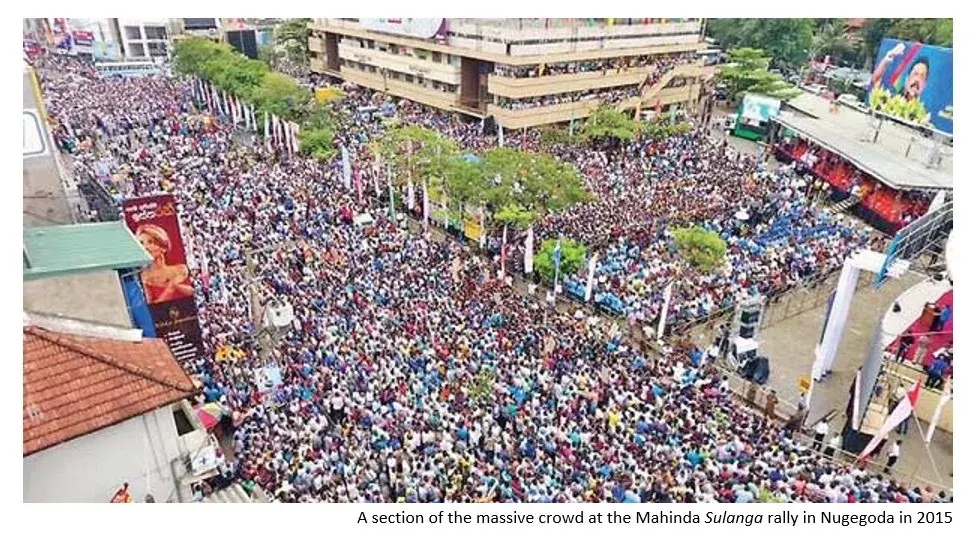
The choice of the venue—the junction near the Nugegoda Supermarket—is of political and symbolic significance. Nugegoda was the cradle of the Rajapaksas’ comeback campaign following the 2015 regime change. Most of all, the Nugegoda junction is usually crowded, and therefore it is easy for a political party to fill the place with people, unlike Galle Face. The JVP also used to hold its rallies in Nugegoda before the economic crisis, which enabled it to mobilize the public in greater numbers, and hold rallies in more spacious locations.
The Joint Opposition, which became the SLPP, launched its counterattack, the Mahinda Sulanga (Mahinda Wind) campaign, a few weeks after the formation of the Yahapalana government in January 2015. It turned the Nugegoda junction into a veritable sea of heads. It was a grand show of strength that had an unsettling effect on the newly elected government with a wafer-thin parliamentary majority.
There are more dissimilarities than similarities between the situation in early 2015 and the present one where the Opposition’s chances of making a comeback and the political strength of the incumbent government are concerned. The JO consisting of the dissidents of the SLFP-led UPFA, which opted for a political marriage of convenience with the UNP, at the behest of President Maithripala Sirisena, was very popular; it was led by former President Mahinda Rajapaksa himself both in and outside Parliament. The UPFA, which contested the 2015 parliamentary polls with Mahinda himself leading its election campaign, was so strong that it would have emerged the winner if President Sirisena had not queered the pitch for Mahinda by making a controversial statement, almost on the eve of the polls, which gave the impression to the public that he would not appoint Mahinda Prime Minister even if the UPFA won. His statement demoralized many UPFA supporters who wanted Mahinda to secure the premiership; and it is believed that many of them did not care to vote as a result.
In 2015, what helped mobilize the people for the JO was that Mahinda himself was trying to make a comeback as the Prime Minister and regained public sympathy soon after his defeat to the extent of a large number of people visiting him at his Tangalle residence daily.
The NPP government is far stronger than the Yahapalanagovernment was when the Mahinda Sulanga was launched in 2015. It has a two-thirds majority in the parliament and controls most of the local government institutions. Above all, the Rajapaksa family has become hugely unpopular due to the economic crisis and allegations of corruption against it. The SLPP is in disarray, unlike the JO, which was popular and strong in 2015. Most of all, the rally to be held on Nov. 21 is not for Mahinda as such. Two of the main organizers of the 2015 event were Wimal Weerawansa and Udaya Gammanpila. Today, Mahinda has reportedly said he will not attend the Nugegoda rally, and Weerawansa has said something similar. This is proof of a split in the Opposition camp. The SJB, the biggest Opposition party, too, has announced that it will not be there in Nugegoda on Nov. 21. The organizers of the rally are trying their best to persuade the SJB to change its decision.
The Nugegoda rallying is to be held while the Opposition parties are trying to close ranks and forge a common alliance against the NPP. Their differences have already come to light.
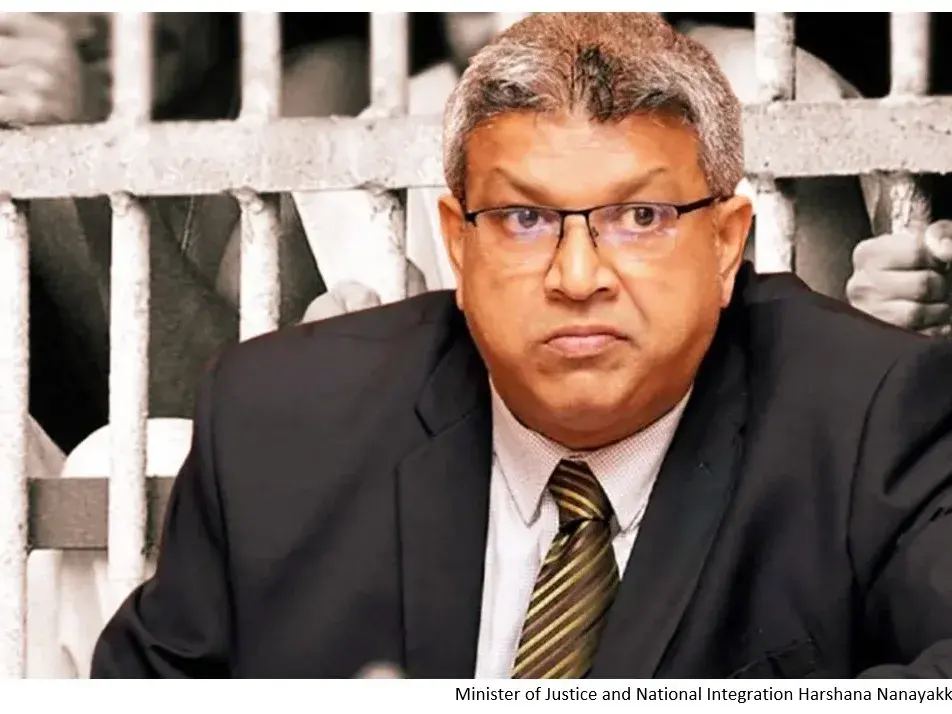
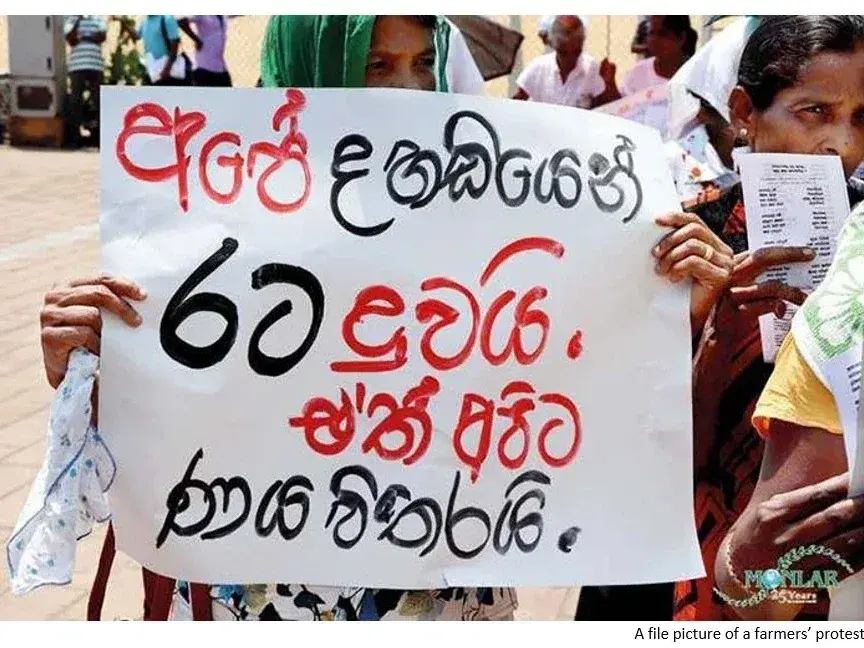
Politics is full of risks, which politicians have to take if they are to succeed. But what the Opposition has undertaken is a huge political gamble. The NPP government’s popularity is apparently on the wane. The NPP could not sweep the local government elections in May, and its national vote share declined significantly. Many of its election promises remain unfulfilled, much to the resentment of those who voted for it. Farmers are up in arms, cursing the government as they cannot dispose of their produce. Farmers' associations have publicly declared that their lot was better under previous governments, and the incumbent one has taken them for a ride. Teachers and principals have turned hostile against the government over the education reforms, which they consider ill-conceived. They are threatening a strike to pressure the government to make a course correction. There are serious allegations of corruption against some government members. A government move to import as many as 1,775 double cab pickups has run into stiff opposition from its political rivals, who claim it has manipulated the tender process in favor of a company of its choice. This issue has been raised in the parliament, and the Opposition has called for an end to the tender. The Opposition has also made a formal request to the Speaker that a parliamentary select committee be appointed to investigate the controversial release of 323 containers without Customs inspection from the Colombo Port in January 2025. It will surely flog such issues very hard to turn public opinion against the government. However, the Opposition’s approval rating has not increased significantly, and the rivals of the NPP have not been able to tap public anger to the extent of being able to recover lost ground on the political front. So, it is being argued in some quarters that the Opposition’s decision to hold a rally at this juncture is ill-timed, and it will only provide the disparate forces in the NPP coalition, experiencing ideological and political tensions, with a fresh rallying point. The proponents of this school of thought predict that the rally to be held will prove counterproductive, with the NPP constituents realizing the need to sink their differences and defend the government more vigorously. It is likely that the NPP will hold a show of strength after the Nov. 21 rally.
The organizers of the upcoming rally have taken a great gamble that could either strengthen their position in politics or weaken it further. Which way it will go is anyone’s guess.
RELATED NEWS
View all
Politics by Vishvanath
Has 22A become the govt.'s Catch-22?
Aug 27, 2026
Politics by Vishvanath
22nd Amendment: A huge political gamble for govt.
Aug 21, 2026
Politics by Vishvanath
Move to raise retirement ages of judges: Options before govt.
Aug 05, 2026
Politics by Vishvanath
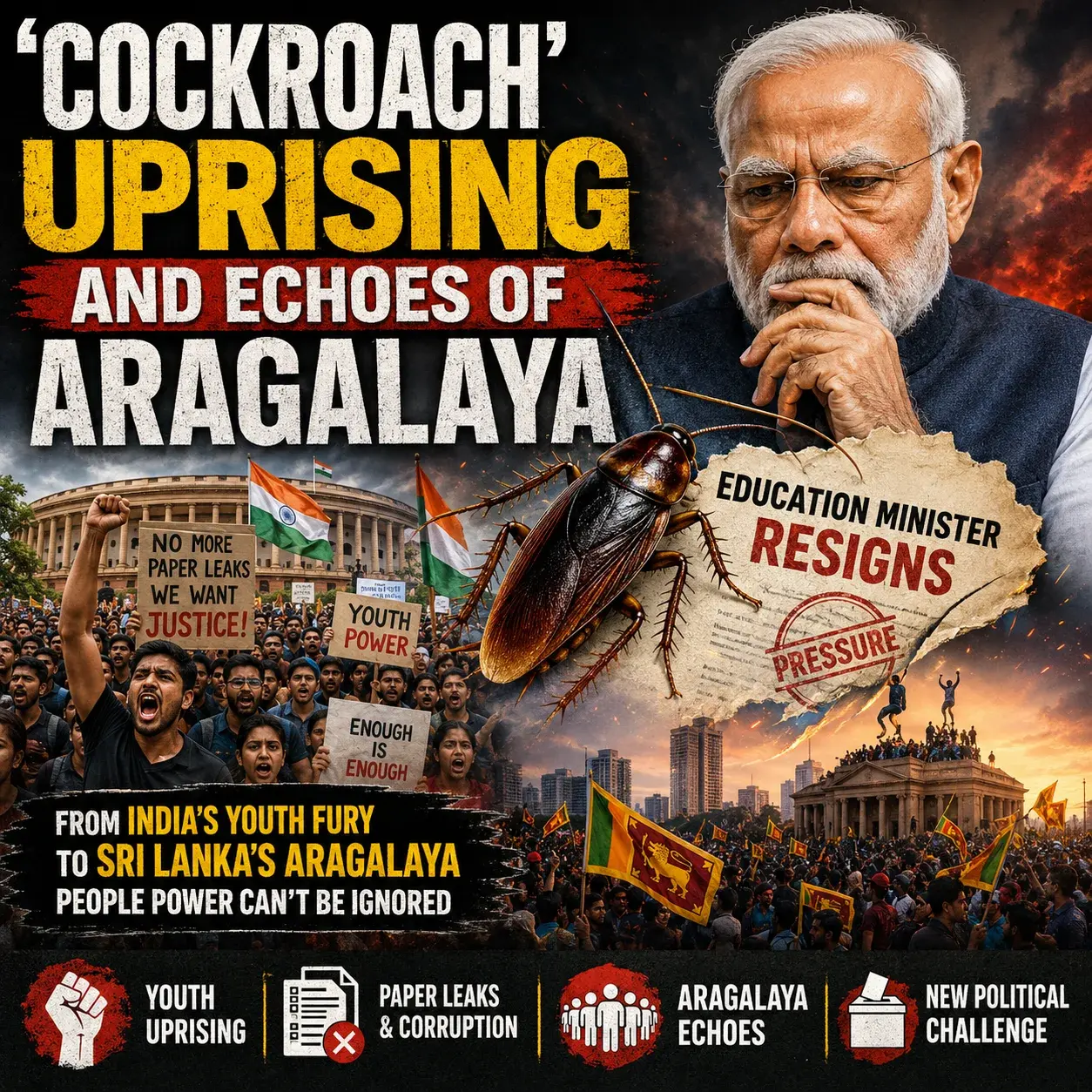
‘Cockroach’ uprising and echoes of Aragalaya
Jul 26, 2026