Politics by Vishvanath, Cover Story
When governments fear elections
by Vishvanath
Winning elections is one thing, but delivering on what popular mandates are obtained for is quite another. This has been the experience of the post-Independence governments in this country, and the JVP-led NPP administration is no exception. The incumbent dispensation finds itself in the same predicament as a vociferous backseat driver, who has been suddenly put behind the wheel; it has had to do what it tried to teach others to do for six decades. It raised the expectations of the public beyond measure before last year’s elections, and now it has had to live up to them.
It was plain sailing for the JVP-led NPP government for about one year, as the Opposition, which suffered two back-to-back, crushing defeats in last year’s presidential and parliamentary elections, was licking its wounds, but the smooth ride is now over for the ruling coalition. Some core support groups who made the NPP’s meteoric rise to power possible have voted with their feet, and others are apparently in the process of doing so. Prominent among them are paddy and vegetable growers, teachers, academics and unemployed and underemployed youth. All of them are up in arms.
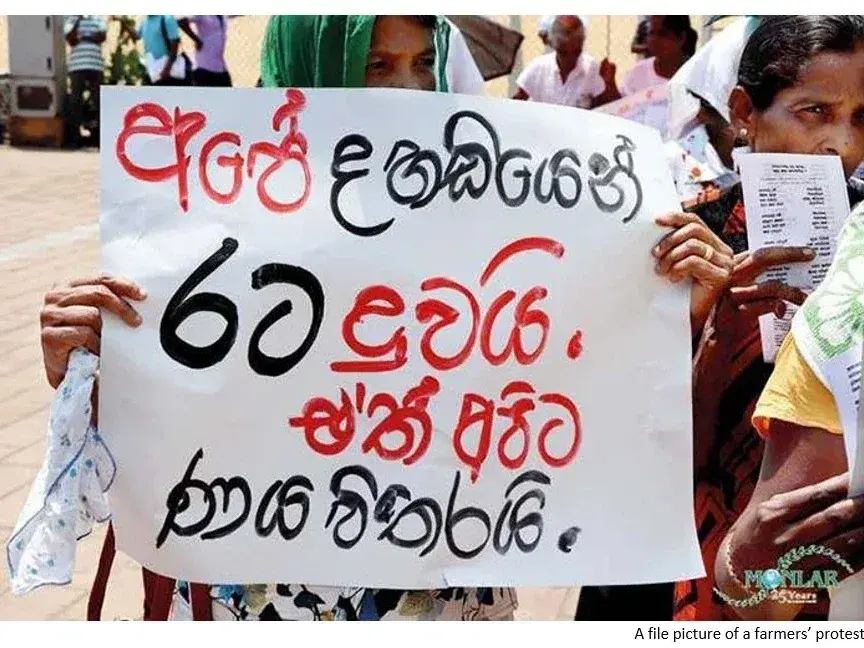
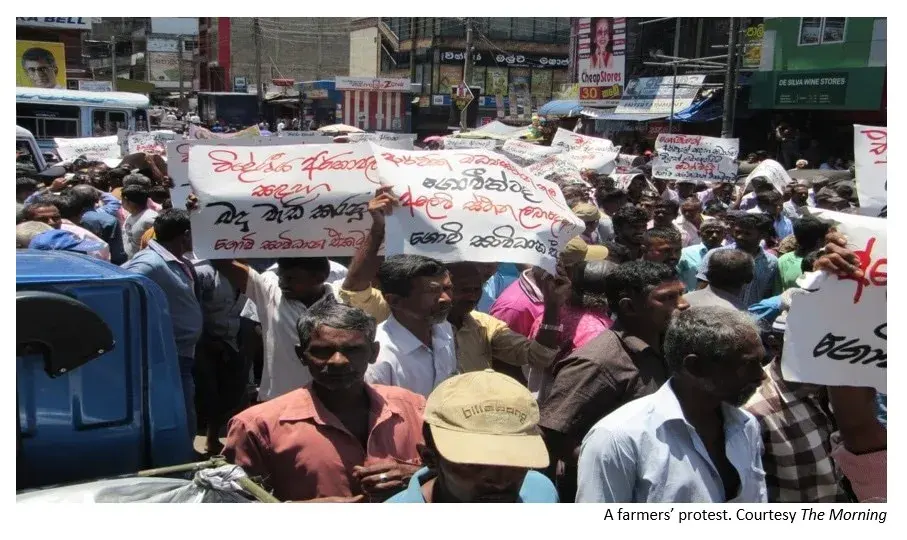
Farmers are protesting all over the country, unable to sell their produce or buy fertilizer. Some of their associations have gone on record as saying that their lot was never so bad as it is today. They are openly criticizing the government and daring itsruling party politicians to visit their areas. Teachers are also on the warpath. They have taken exception to the proposed education reforms, which they consider ill-conceived while demanding better pay. University teachers, who played a pivotal role in bringing the NPP to power, are complaining of numerous grievances that have remained unredressed. So are the state-sector doctors who have already resorted to trade union action. Development officers who led the NPP’s election campaigns from the front, expecting to be absorbed into the teacher service, have been protesting near the Presidential Secretariat, for days, urging the government to fulfil its pledge. They are complaining that the NPP has used and discarded them. The Opposition has also stepped up its anti-government campaign, and some of them are scheduled to hold a rally at Nugegoda on Friday (21). The upcoming show of strength has brought the differences among the Opposition parties to light, but it has caused some concern to the government, as evident from the NPP’s propaganda attackson the organizers of the event.
Nothing would have been more disconcerting for the NPP than a string of losses it has suffered in the cooperative society elections, and the defeats of the budgets of dozens of the local government bodies under its control. Prior to its electoral victories last year, the NPP won almost all cooperative society elections, and Anura Kumara Dissanayake, then an Opposition MP, bragged that the NPP’s wins were a sign of its victory in national elections. Prominent among the local councils where the NPP has failed to secure the passage of its budgets are Naula Pradeshiya Sabha (PS), Dodangoda PS, Kandaketiya PS, and the Kolonna PS. The number is increasing. There is no legal requirement for the local councils to be dissolved due to the defeat of their budgets. But the budget defeats could have a corrosive effect on the legitimacy of the NPP’s rule at the local council level, and even demoralize its supporters. This must be something difficult for the NPP to stomach.
The government was expected to present an election budget for 2026 because speculation was rife in political circles that it was planning to hold the PC polls next year. But the budget has not granted relief to the public. The NPP administration has had to abide by the IMF dictates and curtail expenditure and increase revenue. Only the estate workers are happy; they have got a 200-rupee wage hike and a 200-rupee attendance incentive from the government. It remains to be seen how this wage hike will be implemented. The proof of the pudding is said to be in the eating. Farmers are protesting against a delay in the release of the fertilizer subsidy for the current cultivation season. Hospitals are facing various shortages and many patients have to buy medicines from private pharmacies and have tests done at private laboratories. Government doctors have stopped issuing prescriptions for drugs to be purchased from private pharmacies and ordering tests to be done at private labs. They are complaining of inadequate salaries and transport difficulties due to the suspension of the duty-free vehicle permit scheme for the state sector.
When one category of workers is given a pay hike, all others protest, demanding equal treatment. Therefore, trade unions representing teachers and health workers are bound to demand salary increases, causing more problems for the government on the political front.
Pressure is now mounting on the NPP to hold the PC polls. India has also evinced a keen interest in having the PC elections held fast. The NPP has, in its policy programme, ‘A Thriving Nation, A Beautiful Life’, promised to hold the PC within one year of forming a government. One year has already elapsed. It said it would hold the local government elections first and then conduct the PC polls thereafter. But it changed its mind after failing to achieve its goal of sweeping the LG elections last May. It became the overall winner in the mini polls, but its victory was not as stunning as that in last year’s general election, and its national vote share declined significantly.
Emboldened by the NPP’s defeats in the cooperative society elections and in the budget votes in local government institutions, the Opposition is now demanding that the PC polls be held without further delay. The NPP is trying to delay the PC polls further, claiming that they should be held under the new mixed proportional system, the implementation of which requires the completion of the delimitation process. The Election Commission has said it will take at least one year to conclude the delimitation of electoral boundaries. The government has decided to appoint a parliamentary select committee to sort out the issue, but it is likely to take a long time to complete. This may be the NPP’s ulterior motive. The Opposition is cranking up pressure on the government to hold the PC polls without further delay. It is bound to capitalize on the government’s fear of elections to gain political mileage. The SJB and other Opposition parties will flog the PC polls issue extremely hard to keep the government on the defensive.
RELATED NEWS
View all
Politics by Vishvanath
Has 22A become the govt.'s Catch-22?
Aug 27, 2026
Politics by Vishvanath
22nd Amendment: A huge political gamble for govt.
Aug 21, 2026
Politics by Vishvanath
Move to raise retirement ages of judges: Options before govt.
Aug 05, 2026
Politics by Vishvanath
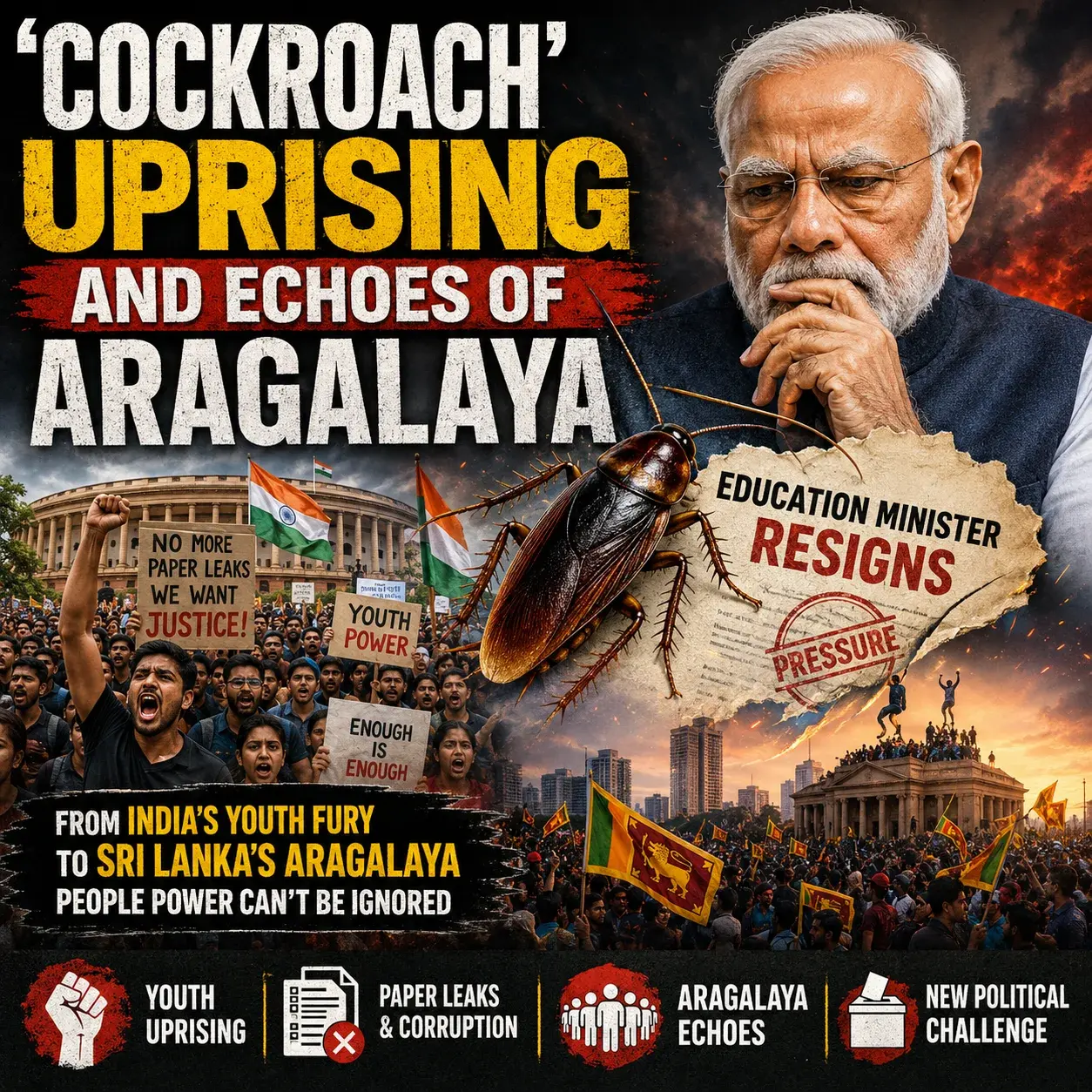
‘Cockroach’ uprising and echoes of Aragalaya
Jul 26, 2026