Current Affairs
Youth agitations and communal tensions grip parts of India
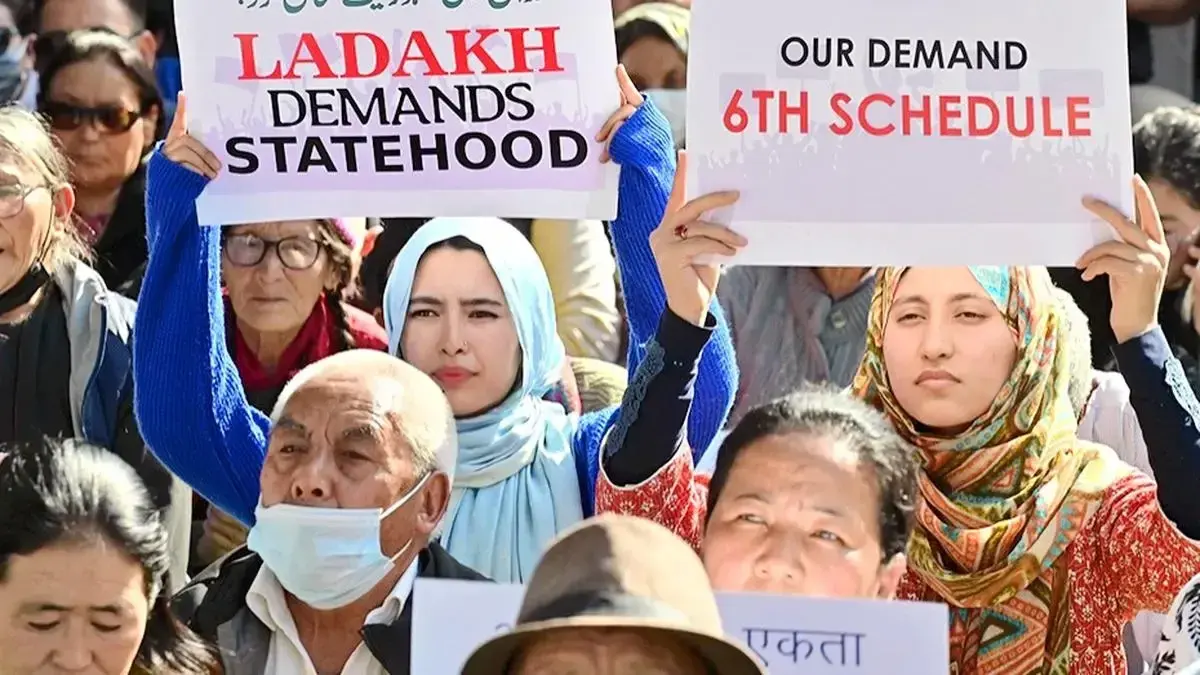
High unemployment and denial of political, livelihood and religious rights have caused disquiet in many towns in India.
By P.K.Balachandran
Colombo, September 27- Youth agitations and communal tension gripped parts of India in September. Even as India was reeling under the impact of US President Donald Trump’s 50% tariff on Indian goods and services exports, youths in several towns were agitating over livelihood issues.
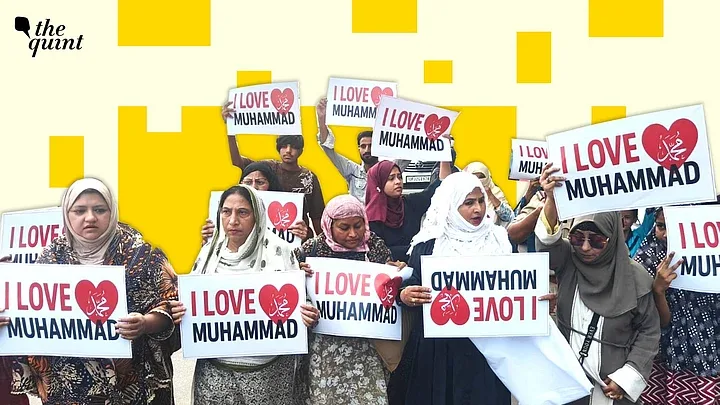
The tense situation was exacerbated by a Hindu-Muslim conflict over the appearance of street banners expressing love for Prophet Mohammad in many towns of North India.
Trump’s tariff hike is believed to be threatening 300,000 jobs across multiple sectors. And according to the International Labour Organization (ILO), in 2023, the unemployment rate in India for graduates was 29.1%, nearly nine times higher than the rate for those without formal schooling.
Youth unrest in Ladakh, Uttarakhand and Karnataka was seen as being inspired by the Gen Z uprisings in Sri Lanka, Bangladesh and Nepal which led to the overthrow of governments. Significance is seen in the fact that affected regions like Ladakh and Uttarakhand border China and Nepal respectively.
However, there is no indication that the unrest in India is comparable with that in Bangladesh and Nepal, given India’s size and diversity.
The most serious of the agitations was the one in Ladakh. It was over the denial of the status of a “State” to Ladakh after the composite State of Jammu Kashmir (and Ladakh) was broken into two smaller units called Union Territories to be ruled directly from New Delhi.
However, while Jammu and Kashmir (J and K) was allowed an elected Assembly, Ladakh was not.
In Uttarakhand, the youth rose over the leak of a question paper set for the Uttarakhand Subordinate Services Selection Commission (UKSSSC) graduate-level examinations. And in Karnataka in South India, the agitation was over the delay in filling over 300,000 vacancies in government service.
Ladakh
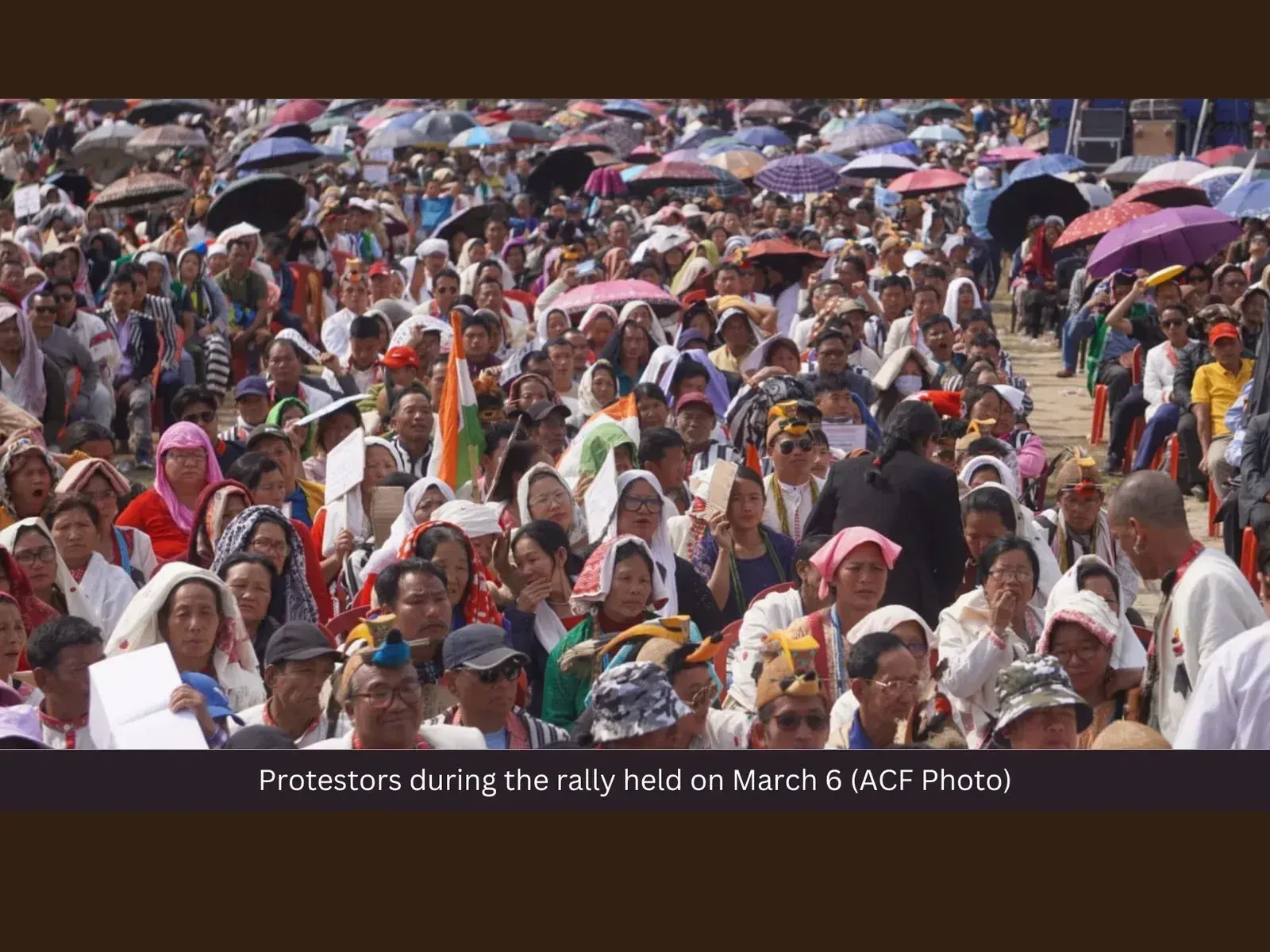
Four people were killed and over 50 injured in Ladakh’s headquarters of Leh, as protesters clashed with the police on September 24. The clash occurred when student and youth organisations led by the Leh Apex Body (LEB) and climate activist Sonam Wangchuk, called for a shutdown (Hartal).
Ladakh was part of the erstwhile state of Jammu and Kashmir (J and K). On August 5, 2019, Article 370 of the constitution which had given J and K autonomy, was abrogated. J and k was divided into two Union Territories, J and K and Ladakh. But while J and K was given an elected legislature, Ladakh was not. Ladakh was totally controlled by the Central Indian government.
Wangchuk began a hunger strike to press the Central government to grant Statehood to Ladakh and extend the Sixth Schedule of the Indian constitution to the region. The Sixth Schedule protects tribal lands and resources and prohibits the transfer of such resources to non-tribal individuals or communities. It also ensures that tribal communities are not exploited or marginalized by non-tribals and that their cultural and social identities are preserved and promoted. 90% of Ladakh’s population are tribals
When protesters gathered outside the Bharatiya Janata Party (BJP) office in Leh, police attempted to disperse the protesters. The crowd became violent and burnt many vehicles. Wangchuk called the protests a “‘Gen-Z revolution” comparing it to the “Arab Spring” and the revolt in Nepal, though he appealed to the youth not to indulge in violence.
In fact, he ended his protest fast to stop the violence. But he also urged the government to be sensitive towards the demands of the region.
The Central government had announced a fresh round of talks between the Centre and Ladakh’s representatives KDA) earmarked for October 6. But the protesters asked for an earlier date due to the growing worries in the public over Ladakh’s political future. Wangchuk also called for immediate “result-oriented” talks on Ladakh’s “long pending” demands.
But the Ladakh Lieutenant Governor Kavinder Gupta saw danger in Wangchuk’s comparison of the stir with that in Bangladesh and Nepal which overthrew governments He saw a “wider conspiracy.”
On September 25, the Indian Ministry of Home Affairs cancelled the permission given to Wangchuk’s organizations to receive foreign funds under the Foreign Contribution Regulation Act (FCRA) and launched investigations by the Central Bureau of Investigation (CBI).
Media reports said that the Himalayan Institute of Alternatives Ladakh (HIAL), founded by Wangchuk, had recorded a jump in donations from INR 60 million to INR 150 million in a year. Out of the seven bank accounts for HIAL, four were undeclared. It allegedly received foreign remittances without a mandatory FCRA registration.
Similar allegations were made against the Students Educational and Culture Movement of Ladakh (SECMOL), which had six undeclared accounts out of a total of nine. A new private firm, Sheshyon Innovations Private Limited, with Wangchuk as a director, is also came under the scanner for alleged transfer of over INR 60 million from HIAL to Wangchuk’s private company.
Wangchuk’s allegedly had nine personal bank accounts, eight of them undeclared. These accounts had allegedly received substantial foreign funds, prompting concerns about potential money laundering, as outward remittances were made to “unknown entities".
Uttarakhand
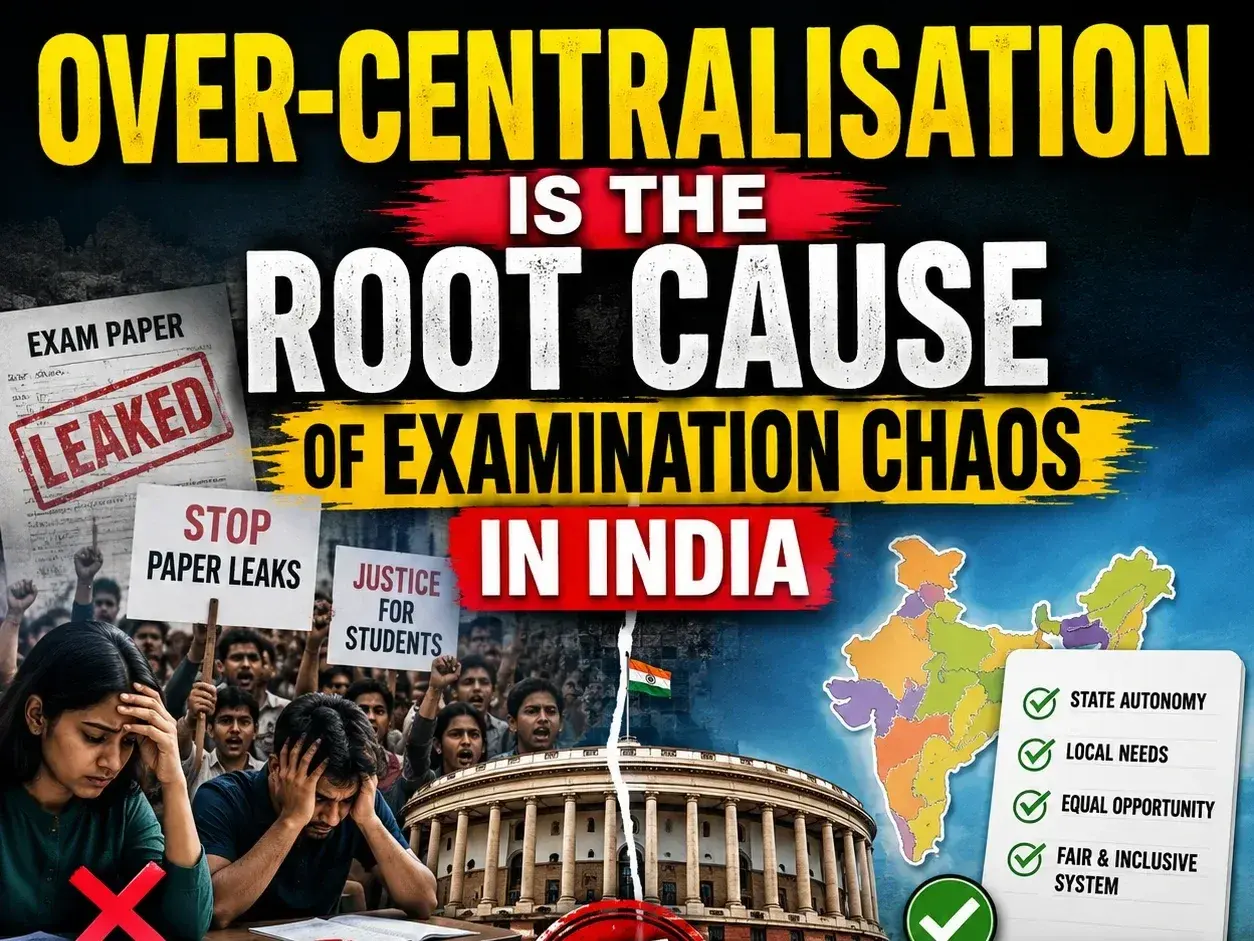
In Uttarakhand, the youth rose over the leak of a question paper set for the Uttarakhand Subordinate Services Selection Commission (UKSSSC) graduate-level examination. Opposition Congress party leader Rahul Gandhi said that because of the paper leak, hopes of employment for lakhs of Uttarakhand youths were dashed.
He compared the paper leak to the manipulation of the electoral rolls by the Election Commission, with former denying jobs and the latter denying franchise for lakhs.
"The youth are on the streets, raising the slogan 'Paper Chor, Gaddi Chhod' (paper thieves, leave the throne) This is not just a fight for jobs for the youth, it is a fight for justice and democracy,” Rahul Gandhi said.
Karnataka
In Dharwad, North Karnataka, thousands of civil service aspirants took to the streets on September 25 demanding the immediate recruitment of over 300,000 vacant government posts across the State.
The protest, organised under by the All Karnataka Students’ Association, brought the city to a standstill. Young graduates voiced anger over recruitment delays, age-limit barriers, and lack of transparency.
Protesters also slammed the government for prioritising welfare schemes while ignoring youth unemployment. Despite multiple memoranda, students say responses from authorities were vague.
“I Love Mohammad” Banners
The latent Hindu-Muslim conflict in North India got ignited again when banners saying 'I Love Muhammad' appeared in Uttar Pradesh towns on September 4 on “Barawafat” (Prophet Mohammad’s birth anniversary). Local Hindu groups objected to this, claiming that a “new tradition" was being introduced by the Muslims. In retaliation, Hindus put up “I love Mahavdev” banners.
There were clashes with the police, who registered a case against Muslim groups. Seven people were arrested, including the alleged mastermind Nadeem Akhtar.
Muslims objected to the case saying that it was a violation of their fundamental right to express love for their prophet. But defending the police, Kanpur Police Commissioner Ramkrishan Yadav said that the banners were obstructing traffic and had been put up without permission. Permission was not taken for the processio either.
Within days, communal trouble spread to other towns in Uttar Pradesh, Uttarakhand, Hyderabad and Maharashtra too
And as part of the operation, policy snapped 17 “illegally operated” electricity connections and the Kanpur Municipal Corporation removed “encroachments” on the corporation’s drain, and fines totalling Rs 16,000 were imposed on vendors operating without a trade license. People unconnected with the incidents were targeted citing different reasons.
Hyderabad MP Asaduddin Owaisi cited Article 25 of the Constitution, saying freedom of religion was violated. “What is anti-national about saying I love Mohammad? Which part of this promotes violence?” he asked.
Jammu and Kashmir chief minister Omar Abdullah said it must mean that someone is truly mentally unwell to file a case over these three words, I Love Mohammad. People of other faiths also express devotion to their gurus or deities, he pointed out.
END
RELATED NEWS
View all

Current Affairs
Sri Lankan Presidential pardons- the good and the bad
Sep 11, 2026
Current Affairs
The pros and cons of joining BRICS- the dilemma of Pakistan and Bangladesh
Sep 09, 2026
Current Affairs
Disaster in Nepal gets embroiled in geopolitics.
Sep 08, 2026
Current Affairs
Why Mecca Pact, and what does it imply for its members, Israel and India?
Aug 18, 2026